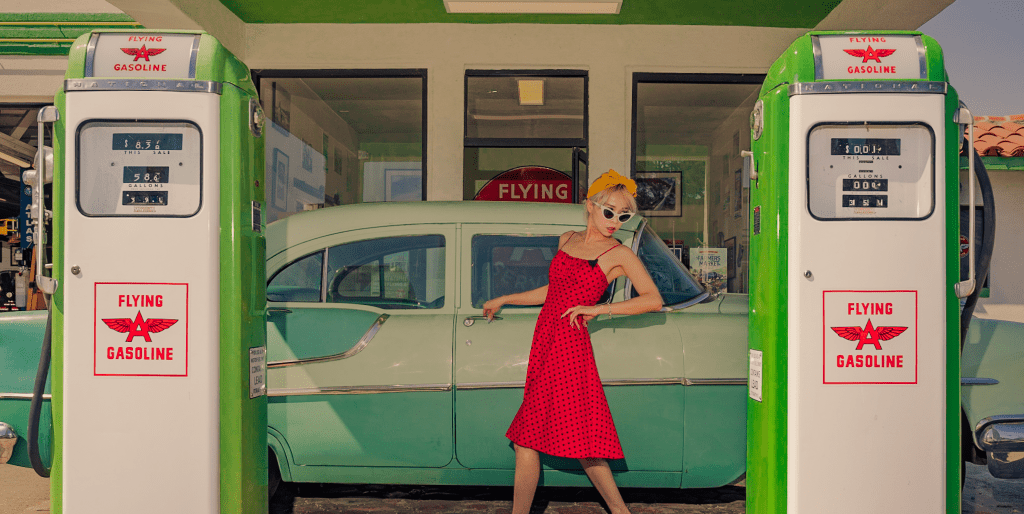
The Street Is My Studio
Immersing oneself in the world of location photoshoots is a mesmerizing journey, filled with its own set of unique challenges and rewards. This form of photography requires a delicate balance between the thrill of exploration and the meticulousness of planning, each new location presenting a fresh tableau for creative expression.
With each location photoshoot, you embark on an adventure that might take you to bustling urban landscapes or serene rural backdrops. Each place holds its own narrative, its own mood, and its own allure. The anticipation of capturing these diverse moods and stories on camera is as thrilling as daunting. It’s about weaving the familiarity of your skill with the unpredictability of new surroundings, the technical aspects of photography with the emotional ones.
My photographic journey spans five continents, each presenting unique situations and learning opportunities. Sometimes these lessons come from overcoming unexpected challenges that necessitate quick thinking and flexibility. Other times, they arise from moments of serendipity when the resulting shots are even more captivating than what was originally planned.
These experiences have shaped my understanding of photography in ways beyond just technical knowledge. They have imbued in me an appreciation for natural light’s varying subtleties, the skills to manage and motivate a team, and the adaptability to embrace and utilize the surprises a location shoot unfailingly brings.
Having gleaned these valuable insights from my personal adventures, I now look forward to sharing them with you. For all fellow photographers and creatives drawn to the art of location photography, these lessons could provide guidance and inspiration. Let’s delve into these tips and advice together, equipping ourselves better for the compelling journey of location photoshoots.
10 Tips To Perfect Your Location Photoshoots
Tip 1: Communication Is Key
Strong communication forms the bedrock of a successful photoshoot. In the intricate dance of a photoshoot, each participant – the model, designer, makeup artist, or other creatives – is an essential player. Ensuring everyone is in sync, aware of their roles, and clear on the plan cannot be overstated.
Begin the process in the days leading up to the shoot. Share all necessary details – like the venue, time, theme, and individual roles – with everyone involved. But don’t stop there. Make it a point to open the lines of dialogue, encourage questions, and provide clarifications where needed. Your goal should be to foster an environment where everyone feels heard, understood, and prepared.
A day before the shoot, send a confirmation message to all parties. This isn’t just about reiterating the details of the shoot but also about reassuring everyone that things are on track. It’s about expressing your anticipation and readiness to work together. It reaffirms the plan and provides an opportunity for any last-minute queries or clarifications.
On the day of the shoot, it’s always a nice gesture to wish everyone a “happy photoshoot.” It sets a positive tone and helps build camaraderie and excitement. Such a simple message can be a morale booster and set the stage for a productive, enjoyable photoshoot.
Finally, ensuring a smooth channel of communication on the day of the shoot is critical. Establish what form this communication will take – a phone call, text messages, social media direct messages (DMs), or another method. This should be a mode that everyone is comfortable with, and that suits the demands of your location. Remember, the aim is to facilitate easy, quick, and clear communication to promptly address any issues that might crop up on the day of the shoot. This level of preparedness and openness not only smoothes out any potential wrinkles in the process but also contributes to a more harmonious, productive environment for everyone involved.
Tip 2: Know the Ins and Outs of Your Location
Knowledge about your chosen location can be the linchpin that determines the success of your photoshoot. Therefore, it’s essential to be thoroughly informed about the ins and outs of your location. This process of familiarization should begin well before the day of the shoot, giving you ample time to understand and adjust to any location-specific rules or conditions.
Research the venue’s operating hours. Not all locations are available for access throughout the day, and the last thing you’d want is to arrive at a closed venue with your crew in tow. Understanding the open hours will allow you to schedule your shoot effectively, maximizing available light and minimizing disruption to your workflow.
Delve into the specifics of any permits or permissions required for photography at your chosen location. Some places, particularly public areas or landmarks, may require a permit for photoshoots. Ensuring you have the necessary permissions can save you from potential complications.
Pay attention to the rules related to photography equipment. Each location may have its own set of restrictions, such as limitations on flash use or the quantity of gear you can bring. This could significantly impact your shoot plan, especially if you had intended to use specific equipment. Understanding these rules will allow you to adapt your gear list and plan your shoot accordingly, avoiding any unwelcome surprises on the day.
But it’s not just about the rules – knowing your location also means understanding its layout, potential backdrops, and how the light changes throughout the day. This might involve a pre-visit or at least a virtual tour if possible.
Understanding your location won’t just help you ensure compliance with the rules. It will also allow you to visualize and plan your shoot more effectively. By anticipating potential hurdles, you can adapt and improvise, turning potential challenges into creative opportunities. Remember, every location has a story to tell, and the more you know about it, the better you can capture its essence.
Tip 3: Conduct a Gear Check
A successful photoshoot is as much about precision as creativity, and ensuring your gear is in top-notch condition is crucial. Each piece of equipment, no matter how small or seemingly insignificant, plays a key role in executing your creative vision. Hence, it’s essential to conduct a comprehensive gear check before you set out for your location shoot.
Before you even pack your bags, take a test shot at home or in your studio. This serves a dual purpose. First, it allows you to confirm that all your equipment – your camera, lenses, memory cards, batteries, and any additional gear – is functioning properly. Even a minor glitch or malfunction can hinder your shoot so that this step can save you a lot of trouble on location.
A test shot can jog your memory about any potentially overlooked yet vital equipment. Often, amidst the excitement of a shoot, it’s easy to forget things, even those we use regularly. This practice reduces the risk of arriving at your location only to realize that you’ve forgotten an essential piece of gear.
Consider the specifics of your location and the type of photoshoot you’re conducting. The lighting gear you need for an indoor shoot in a well-lit location will differ from that required for an outdoor shoot in natural light. Tailor your equipment to your location’s needs. Understand how the light changes throughout the day at your chosen location, and plan your lighting gear accordingly.
Similarly, consider the comfort and needs of your model. If you’re shooting in a remote location or without adequate facilities, a portable changing tent can be a lifesaver. Providing a secure and private space for your models to change outfits not only maintains their comfort and dignity but also ensures a smoother, more efficient workflow.
Being meticulous about your gear check isn’t just about being organized. It’s about respecting the time and effort of everyone involved in the shoot and ensuring that you can bring your creative vision to life without any unnecessary hiccups or delays. By foreseeing and preparing for these potential challenges, you can keep your focus where it belongs – on capturing fantastic images.
Tip 4: Stay Refreshed
Photoshoots, particularly those at remote locations, can be physically and mentally taxing. Amidst the excitement of capturing stunning images, it’s easy to overlook our body’s need for sustenance and hydration. Ensuring that you and your team stay refreshed and energized throughout the shoot can significantly impact the overall productivity and mood of the day.
The human body needs regular hydration, more so when involved in physically demanding activities such as photoshoots. Thus, having an ample supply of water or other hydrating drinks is paramount. Not only does it prevent dehydration, but it also helps to keep your concentration levels high.
Don’t forget to pack some snacks. It’s not unusual for photoshoots to extend for longer than planned. Between setting up, shooting, and breaking down, hours can fly by. And while the creative process can be exhilarating, it also consumes energy. Packing snacks – preferably something light, healthy, and easy to eat – can provide that much-needed energy boost to keep you and your team going.
Consider the dietary preferences and restrictions of your team while choosing these snacks. The goal is to ensure that everyone can benefit from this energy boost. Foods like granola bars, fresh fruits, or nuts are usually safe choices, offering a mix of essential nutrients to keep energy levels steady.
Planning for refreshments is about more than just preventing hunger and thirst. It’s an act of care for yourself and your team, acknowledging the physical demands of the work you’re doing. This can create a positive and supportive atmosphere, helping your team feel valued and boosting morale.
If possible, plan for short breaks during the shoot where everyone can rest, hydrate, and refuel. But, if the nature of the shoot doesn’t allow for a significant break, having these refreshments on hand will ensure that no one has to work on an empty stomach or risk dehydration. This way, you can maintain high energy levels and a positive atmosphere, essential ingredients for a successful and enjoyable photoshoot.
Tip 5: Have a Mini Emergency Kit
When orchestrating a photoshoot, one thing you can always count on is the unpredictable. Despite the most meticulous planning, minor hiccups can and will occur. One way to tackle these challenges efficiently is to have a mini emergency kit. This can be a simple ziplock bag filled with small but essential items like safety pins, hair pins, and tape. These often-overlooked tools can be a lifesaver when making quick fixes on set, particularly while working with models and their outfits or accessories.
Safety pins, for example, are an indispensable tool on any shoot. They can quickly fix a wardrobe malfunction or adjust the fitting of an outfit, ensuring it flatters the model as intended. Their small size belies their usefulness, helping you maintain the aesthetic integrity of your shoot without needing significant or time-consuming changes.
Hairpins, too, can be incredibly handy, particularly in windy conditions or with complex hairstyles. A stray lock of hair can dramatically alter a shot’s composition, and being able to secure it quickly with a hairpin can save both time and effort.
Tape can serve numerous purposes on a shoot. From temporarily fixing broken props to helping mark positions for your model or even your tripod, its uses are limited only by your creativity. And, of course, it can also be handy for quick wardrobe fixes.
This mini emergency kit extends beyond these items. Depending on the nature of your shoot, you may also want to include items like thread and needle, an extra memory card, a small makeup kit for quick touch-ups, or even some basic first aid supplies.
Having such a kit is not just about being able to make small adjustments on the fly; it’s about enhancing your problem-solving capability on set. These minor fixes, whether in the wardrobe or a prop, can drastically impact the final product, helping you maintain the visual narrative you intend to capture. Furthermore, being prepared for such situations can also enhance your reputation as a professional who is ready for anything, fostering trust and confidence among your team and models. So pack that mini emergency kit – a small step that can make a significant difference.
Tip 6: Bring Your Favorite Props
Photography, at its core, is a storytelling medium, and props are one of the most effective ways to enhance the narrative within your frame. If logistics permit, especially when you’re driving to your location, it can be beneficial to bring a selection of your favorite props. These items could include anything from sunglasses and gloves to mirrors, veils, or other unique elements that reflect your artistic vision and complement the mood of the shoot.
Your choice of props can add a depth of intrigue and symbolism to your photographs that might not be achieved otherwise. For example, sunglasses can evoke a sense of mystery or add a cool, edgy vibe to your images. Gloves can signify elegance or suggest a bygone era. Mirrors can be used creatively for reflection shots or to play with light and shadow. Veils, on the other hand, can add a touch of drama, romance, or mystery.
Bringing your own props can also offer an element of comfort and familiarity amidst the new and potentially challenging environment of a location shoot. These items, which you’ve probably used in previous shoots and therefore understand well, can provide a sense of control over the narrative you’re trying to build.
However, the use of props should be a thoughtful process. Each prop should serve a purpose in the composition of the shot, contributing to the overall story you aim to tell. Avoid using props just for the sake of it; instead, consider how each item can enhance the mood, add to the visual interest, or offer deeper insight into the subject or theme of your photoshoot.
Remember that props should complement rather than overpower the main subjects of your photograph. It’s essential that they blend seamlessly with the scene and don’t distract from the story you’re trying to tell. With careful selection and thoughtful use, props can be a powerful tool in your photographic storytelling arsenal, adding depth and creativity to your location photoshoots.
Tip 7: Arrive Early
The saying, “time is of the essence,” holds true in the world of photography, particularly when dealing with location photoshoots. Arriving early is not just about punctuality; it’s about setting the right tone for your photoshoot and optimizing productivity throughout the day.
The first advantage of arriving early is that it allows you ample time to scout the location thoroughly. You can walk around, familiarize yourself with the surroundings, identify potential spots for the best shots, and plan your frames. You might discover a hidden corner, a play of light and shadow, or a particular background that would otherwise go unnoticed in the rush of the photoshoot.
Being early also allows you to check for any unexpected situations at the location, like ongoing construction, an unexpected crowd, or changes in weather conditions. By identifying these potential hiccups beforehand, you’ll be better prepared to adapt your shoot and overcome these challenges.
Arriving before your model allows you to provide clear and detailed instructions about the rendezvous point. This can help reduce the model’s anxiety and allow for a smoother start to the shoot. You can also use this time to prepare the shooting space, ensuring it is clean, safe, and comfortable for the model.
Demonstrating your commitment to the photoshoot by arriving early sends a positive signal to your model and the rest of your team. It reflects your professionalism and commitment to the task at hand. You show respect for their time and create an environment of mutual respect and cooperation.
Tip 8: Safety First
In the exhilarating realm of location photoshoots, the safety of yourself and your team should always be paramount. As a photographer, you’re not just responsible for creating beautiful images but also for ensuring a secure environment for your models and crew. Being aware of your surroundings is a critical aspect of this responsibility.
When you scout your location, look beyond just the aesthetic potential. Conduct a thorough assessment of the area for potential safety hazards. This could be anything from uneven terrain that could cause someone to trip to low-hanging branches, slippery spots, or even areas with excessive noise or dust. The risks vary significantly based on the location – an urban setting, a nature reserve, a beach, or a deserted building.
Consider environmental factors such as weather conditions. Rain, excessive sun, or wind can not only affect your photography but also pose potential risks. Prepare and plan for these conditions. Bring the necessary gear like umbrellas for rain, sunscreen for hot sunny days, or warm clothes if it’s cold.
Also, be mindful of local wildlife or domestic animals in certain locations. While a wandering bird or a playful squirrel might add charm to your shot, some animals might be potentially dangerous. Learn about the fauna of the location if you’re shooting in a nature spot and ensure you keep a safe distance.
The equipment used in photoshoots can also present hazards. Be aware of the placement of your gear. Ensure cords are tucked away to avoid tripping and heavy equipment like lights and reflectors are securely placed and won’t fall over.
Your awareness of potential hazards and proactive measures for safety will create a trustful and relaxed environment, enabling your models to focus on their performance and your team to work efficiently. Remember, great photographs shouldn’t come at the cost of safety..
Tip 9: Ensure a Seamless Send-off
The successful completion of a photoshoot doesn’t end when the last photo is taken; it ends when everyone has safely departed from the location. Ensuring the well-being of your team throughout the photoshoot process, including their safe departure, is a mark of professionalism and care.
If you’re traveling by car, it’s vital to ensure that everyone, especially your models, is safely in their vehicles before you leave. After a long and possibly exhausting day, everyone will be eager to head home, but it’s important not to rush this process. Ensure the model’s vehicle is functioning properly and they’re comfortable with the route back. If it’s late in the evening, you might also need to consider factors like proper lighting in the parking area.
In cases where the model or other team members are leaving on foot or using public transportation, your responsibility extends to ensuring they’re left in a familiar and safe location. If it’s an area they’re not familiar with, take a few moments to discuss the safest route and available transportation options. It might also be helpful to check that they have a reliable navigation system, like a GPS-enabled smartphone.
Another aspect of safe departure involves packing up all equipment properly and ensuring nothing is left behind. You don’t want to realize halfway home that you’ve left an important piece of gear at the location.
Last but not least, ensure that everyone has a way to contact each other or someone else in case of an emergency. It’s always a good idea to check in with each other once you’ve all reached your respective homes, just to be sure everyone made it home safely.
Being a photographer entails more than just creating stunning visuals. It’s also about ensuring the safety and well-being of your team from the moment you arrive at the location until everyone has safely returned home. Remember that a successful photoshoot is one where not only have great photos been produced, but everyone involved feels respected and cared for.
Tip 10: Expect the Unexpected
The world of location photoshoots is as much about precise planning as it is about serendipity. Regardless of how meticulously you prepare for a photoshoot, there’s always an element of the unknown. It might be a sudden shift in weather, a spontaneous change in the model’s expression, an unplanned prop entering the frame, or an unforeseen technical issue. But instead of being a hindrance, these unexpected elements often bring an added dimension to your work. Embracing them can lead to truly memorable shots and enrich the storytelling aspect of your photography.
The first step in handling unexpected situations is to prepare for them mentally. While it’s crucial to have a detailed plan for your photoshoot, it’s equally important to remain flexible and adaptable. This adaptability can help turn unexpected challenges into creative opportunities.
Take the weather, for instance. You might have envisioned a photoshoot under clear blue skies, but what happens if it begins to rain? Instead of packing up your gear, you could use the rain to your advantage, capturing the model’s reactions to the sudden change or using the rain-soaked environment to add a dramatic backdrop to your images.
Equipment failures or other technical issues can also arise during a photoshoot. While having backup gear can help mitigate this, sometimes the solution lies in improvisation. Perhaps your flash stops working during a night shoot. This could be an opportunity to experiment with low-light photography or use ambient light sources in a creative way.
The unpredictability extends to the models and their expressions too. A candid laugh, a thoughtful look, or a spontaneous pose might not be part of the original plan, but they can often result in the most impactful and authentic images. As a photographer, being open to these unscripted moments can help capture the true essence of the individual.
It’s essential to remember that while unexpected situations can be challenging, they also add a unique narrative to your work. They make each photoshoot a distinct experience and often bring out your creativity in surprising ways. The unexpected is not a disruption of the story you intended to tell but an enriching addition to it.
Expecting the unexpected and embracing it rather than fighting it is a valuable strategy for any photographer. It allows you to adapt and grow your craft while capturing unique, compelling, and authentic stories. Embracing the unexpected allows us to capture these little things, making our photoshoots memorable and our images unforgettable.
Conclusion
The thrilling adventure of photography is akin to a winding journey through an expanse of rich landscapes, bustling cities, intimate moments, and compelling narratives. As you navigate through this vast, ever-changing world, it’s important to remember the wisdom imparted by legendary photographer Ansel Adams: “You don’t take a photograph. You make it.” This poignant quote encapsulates the essence of location photoshoots, reminding us that we are not mere photographers but active participants in crafting every aspect of the visual narrative.
Despite the most meticulous preparation and planning, location photoshoots are an open stage where unpredictability is a given. From changing weather patterns to sudden technical glitches, unforeseen situations are not just a possibility but almost a certainty. These unexpected elements, while initially perceived as obstacles, can, in fact, be opportunities to exercise your creativity and adaptability. Instead of resisting these surprise elements, learn to dance with them. They may alter the course of your initially conceived plan, but they can also open avenues for extraordinary, spontaneous shots that breathe life and authenticity into your work.
Let your pre-shoot preparation be a solid foundation, not a rigid blueprint. Equip yourself with knowledge about your location, ensure your gear is in order, make provisions for your physical well-being during the shoot, prioritize safety, and then allow the magic of spontaneity to unfold. Embrace the joy of discovery and the thrill of capturing unplanned moments. Let these unexpected elements not deter you but rather enrich your portfolio with a depth of emotion and storytelling that wouldn’t exist otherwise.
Ultimately, the goal of each photoshoot extends beyond just creating beautiful images. It’s about connecting with your subject and environment, capturing fleeting moments, telling compelling stories, and evoking a symphony of emotions. Stay open to the unique moments that make each photoshoot special, and let your creativity flow. Venture with an explorer’s spirit, an artist’s heart, and a storyteller’s eye.
As you continue your photographic journey, seize the extraordinary moments that unfold before your lens during a location photoshoot. Celebrate the beauty surrounding us, frame by frame, story by story, and create your unique visual symphony. Each photograph you take is more than just an image – it’s a fragment of time, a piece of the world, a slice of life, all captured through your unique perspective.
 Kisau Photography