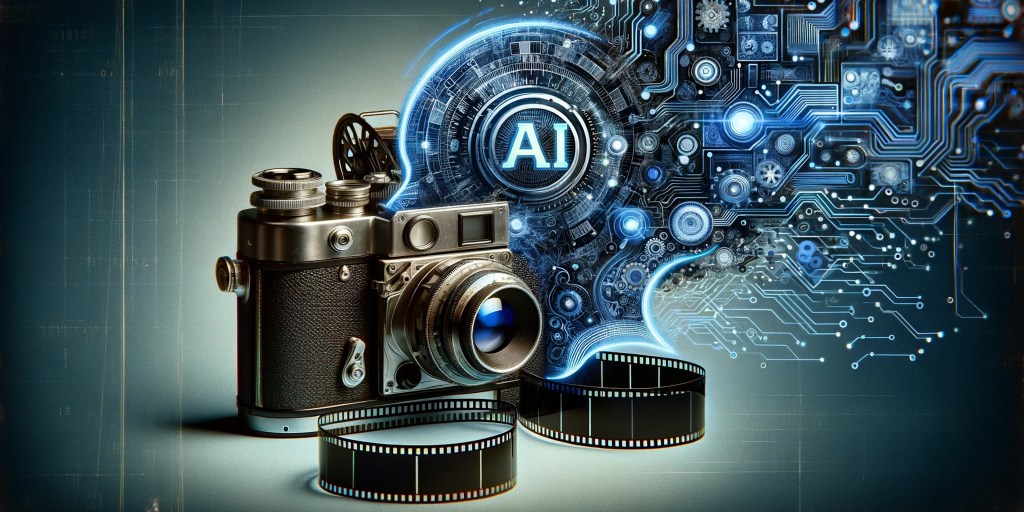
Is artificial intelligence (AI) a threat to traditional photography, or is it opening a new, exciting chapter? As AI begins to influence the world of photography, it sparks a vital debate about its impact on this classic art form. This article dives into this discussion, exploring how the merging of AI with photography could change the way we see and practice this craft. It’s written for those curious about how photography has evolved through different technological changes, leading up to the current conversation on AI’s role in defining photography’s future.
AI and the Evolution of Photography: Reflecting on Past Innovations
The integration of AI into photography has sparked a lively debate about its potential impact. This development, while significant, is part of a long line of technological advancements that have reshaped photography over the years. To better understand this, let’s take a look at the key shifts in photography, starting from the Kodak No. 1 camera to today’s smartphone photography.
Kodak No. 1: The Camera for Everyone
The introduction of the Kodak No. 1 in 1888 marked a profound shift in photography. Its simplicity and affordability brought photography into the mainstream. For the first time, capturing memories wasn’t just for professionals or enthusiasts with technical know-how. The Kodak No. 1 was a symbol of photographic democratization, allowing people to document their lives with ease.
The 35mm Film Revolution
Following the Kodak No. 1, the rise of 35mm film in the early 20th century was another pivotal moment. It marked a transition from bulky cameras to more portable and convenient models. This shift didn’t just change the physical nature of cameras; it influenced the style of photography. The 35mm film made street photography and candid shots popular, encouraging photographers to capture life as it unfolded around them.
Digital Cameras: Opening New Possibilities
The arrival of digital cameras was another watershed moment. Suddenly, photographers could take hundreds of photos without worrying about film costs or development times. Digital cameras also introduced the concept of immediate image review, drastically changing the workflow of photographers. This shift led to experimentation and creativity, as photographers could instantly see and adjust their work.
The Age of Mobile Photography
Perhaps the most significant change in recent times has been the integration of cameras into mobile phones. This innovation made photography an everyday activity. Smartphone cameras, with their ever-improving quality and convenience, have not only changed how we take photos but also how we share them, thanks to social media. This era has seen the rise of visual storytelling, where images are central to how we communicate and express ourselves.
Other Transformative Changes
- Color Photography. The transition from black and white to color photography was a monumental change. It allowed photographers to capture the world more realistically and opened up new avenues for artistic expression.
- Photoshop and Digital Editing. The advent of digital editing software like Photoshop and Lightroom revolutionized post-processing. Photographers could now manipulate images in ways that were impossible in the darkroom, pushing the boundaries of creativity.
AI: The Latest Chapter in Photography’s Evolution
Now, as we embrace AI, it’s clear that this is just the latest in a series of innovations that have transformed photography. AI is enhancing image quality, offering creative suggestions, and streamlining post-processing work. It’s a tool that, much like its predecessors, will redefine the way we capture and interact with images.
Looking Ahead
As we reflect on these significant technological shifts, it’s exciting to think about the future. How will AI continue to shape photography? Will it lead to new forms of visual art or change the way we perceive our world through images?
Whether you’re a professional photographer or someone who loves snapping photos with your phone, your engagement with photography is part of this ongoing story of evolution and innovation.
AI Innovations Transforming Photography Today
The intersection of AI and photography is becoming increasingly prominent in various aspects of image creation and editing. Here are some notable examples:
- AI-Driven Image Generation Tools: Platforms like ChatGPT, Google Bard, Midjourney, and Stable Diffusion are revolutionizing the way images are created. By inputting descriptive text, users can generate highly detailed and specific images, opening up new realms for creativity and visualization without needing traditional photography skills.
- AI in Photo Editing Software: Many photo editing tools and mobile apps now incorporate AI to streamline and enhance the editing process. AI algorithms can automatically adjust color balance, lighting, and exposure, or even suggest edits based on the content of the photo. This makes high-quality photo editing more accessible to a broader audience.
- Facial Recognition and Tagging: AI is used extensively in organizing and categorizing photos, especially through facial recognition technology. This feature, found in many photo management systems, allows for the automatic tagging and sorting of images based on the people present in them.
- Enhanced Camera Functionality in Smartphones: Smartphone cameras increasingly rely on AI to improve photo quality. AI can optimize settings based on the shooting environment, recognize scenes, and enhance details in real-time, making it easier to capture professional-quality photos.
- AI-Powered Object and Scene Recognition: AI can identify and categorize objects and scenes within photographs, which is useful in various applications, from stock photography sorting to assisting visually impaired users in understanding their surroundings.
- Automated Photo Restoration and Enhancement: AI tools can restore old or damaged photographs by removing scratches, adjusting faded colors, and sharpening blurred sections, thereby preserving historical and sentimental images.
- Creative AI Filters and Effects: Photo editing apps now offer AI-driven filters and effects that can transform photos into different art styles or apply complex effects that would be time-consuming to do manually.
- Automated Photographic Assistance: Some AI applications can suggest the best composition, lighting, and camera settings in real-time, acting as an automated assistant for photographers.
- Deepfake Technology and Ethical Considerations: AI can create highly realistic altered images and videos (deepfakes), which raises ethical questions about the authenticity and manipulation of visual media.
These examples demonstrate the diverse and growing ways in which AI is intertwined with photography, from enhancing traditional practices to creating new forms of artistic expression.
© Paul Tocatlian. All Rights Reserved.
 Kisau Photography