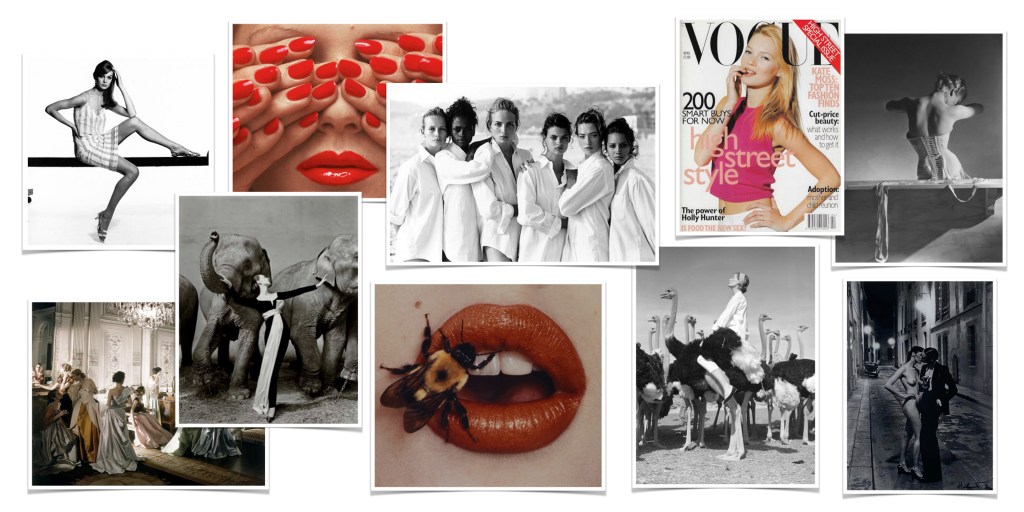
- Avedon’s “Dovima with Elephants”
- Parkinson’s “Wenda and Ostriches”
- Helmut Newton’s “Rue Aubriot”
- Irving Penn’s “Bee”
- Peter Lindbergh’s “Supermodels”
- Horst P. Horst’s “Mainbocher Corset”
- Cecil Beaton’s “Charles James Gown”
- Guy Bourdin’s “French Vogue”
- David Bailey’s “Jean Shrimpton”
- Mario Testino’s “Kate Moss for Vogue”
What makes a fashion photograph truly iconic? Is it the way it captures the essence of a moment, tells a story, or even challenges the norms of its time? Fashion photography isn’t just about pretty pictures. It’s a blend of art, culture, and style that has shaped how we see beauty and fashion over the decades. While many images have left their mark, a select few stand out for their influence, artistry, and ability to spark a conversation.
Fashion photography has come a long way, evolving from formal, stuffy studio shots to dynamic, on-location scenes that feel alive and spontaneous. It’s no longer just about the clothes; it’s about telling a story, expressing emotion, and making you feel something. Iconic photographers like Richard Avedon and Norman Parkinson led the charge, pushing boundaries and redefining what fashion photography could be. They brought a sense of movement, character, and storytelling to the medium, setting the stage for the bold styles we see today.
Below is a collection of my 10 favorite iconic fashion photographs that helped shape the field. These aren’t just images. They’re moments that changed the game. Let’s dive into these masterpieces that captured the evolution of fashion photography, with a personal touch to share why they resonate so deeply.
Richard Avedon’s “Dovima with Elephants” (1955)
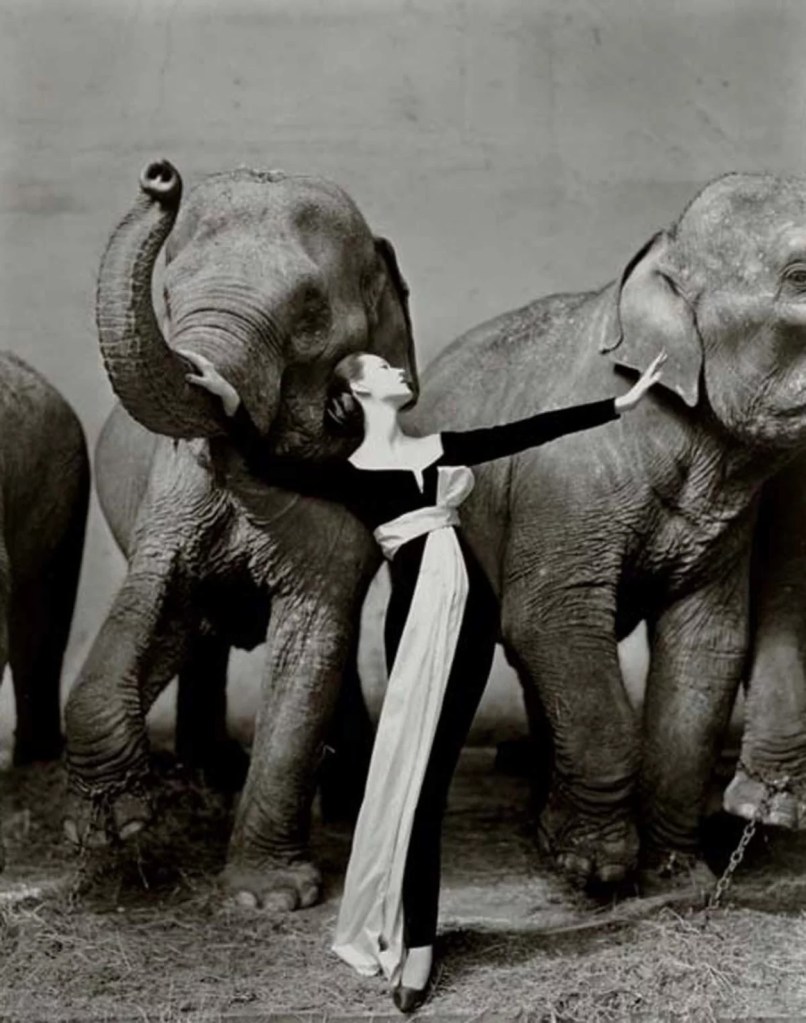
Richard Avedon’s “Dovima with Elephants” is probably one of the most unforgettable fashion images ever captured. Dovima, one of the biggest supermodels of her time, draped in an elegant Dior gown, gracefully standing between two massive elephants at the Cirque d’Hiver in Paris. The contrast between high fashion and raw nature is just mesmerizing. It’s as if elegance and wildness are locked in a kind of visual dance.
What made Dovima with Elephants groundbreaking was that it took fashion out of the confines of the studio and brought it to life in a real, albeit surreal, setting. Avedon didn’t just photograph clothes; he created a spectacle that blended fantasy and reality, elevating fashion photography to an art form. The flowing lines of the gown against the rugged texture of the elephants create an eye-catching tension. The image feels like it’s about to move, like Dovima might take a step or the elephants might raise their trunks at any moment. ⨁
Norman Parkinson’s “Wenda and Ostriches” (1951)

Norman Parkinson had a flair for the whimsical, and his photograph “Wenda and Ostriches” shows just that. Here, his wife and muse, Wenda, stands poised among ostriches in South Africa. It’s not exactly what you’d expect for a fashion shoot, right? But that’s the beauty of Parkinson’s style. He was all about capturing the unexpected and making it feel effortlessly chic.
Back in the day, fashion shoots were mostly limited to studios. But Parkinson’s adventurous approach helped take fashion photography outdoors, infusing it with a sense of freedom and excitement. It wasn’t just about showing off clothes; it was about capturing a mood, an experience. The image’s playful vibe, with Wenda’s elegance contrasting against the quirky ostriches, feels like a glimpse into a fantastical travel diary. The soft colors and flowing dress give it a dreamy, storybook quality.
Helmut Newton’s “Rue Aubriot” (1975)
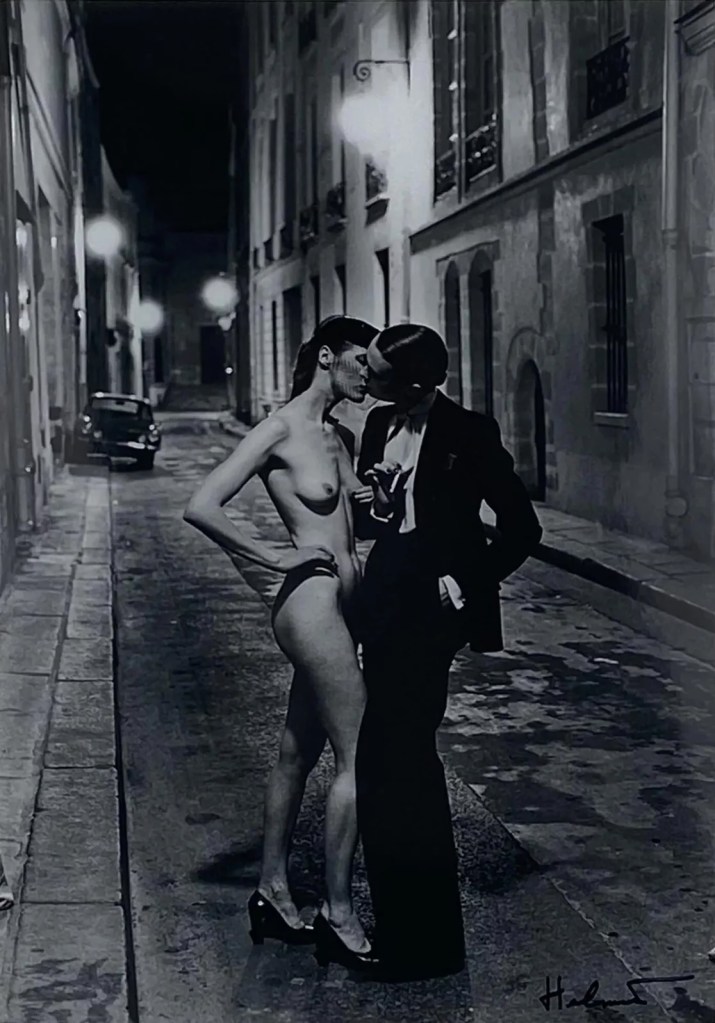
If there’s one photographer who loved to push boundaries, it was Helmut Newton. “Rue Aubriot” is a perfect example of his provocative style. Shot in a dimly lit Parisian street, the photograph features a model in Yves Saint Laurent’s Le Smoking tuxedo, giving off serious androgynous vibes. This was the ’70s, a time when fashion was starting to blur the lines between masculinity and femininity, and Newton captured that moment perfectly.
The black-and-white aesthetic adds a layer of mystery, making it feel almost like a still from a noir film. The model’s confident stance exudes power and elegance, challenging traditional ideas of femininity. Newton didn’t just photograph a look. He photographed an attitude. It’s as if you’re peeking into a private moment, or maybe the start of a story that’s about to unfold in the Paris night.
Irving Penn’s “Bee” (1995)
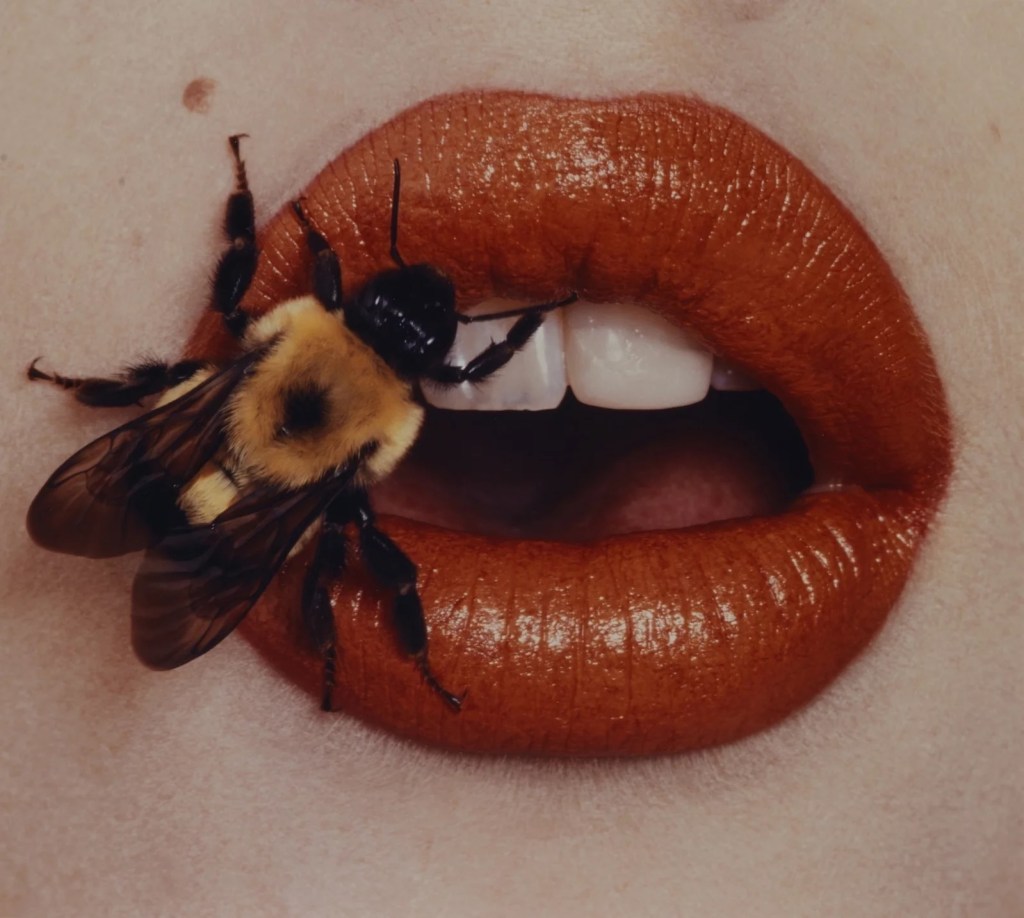
Irving Penn was never afraid to make people feel a little uncomfortable, and his photograph “Bee” does just that. It shows his wife, the supermodel Lisa Fonssagrives, with a giant bee resting on her lips. It’s not your typical beauty shot, and that’s what makes it so captivating. At a time when the fashion world was obsessed with flawless perfection, Penn gave us an image that made us pause and think about the fine line between beauty and discomfort.
The photograph’s simplicity is what makes it so powerful. With no distractions in the background, all your attention is drawn to the unsettling juxtaposition of the bee against Fonssagrives’ flawless skin. It’s almost surreal, with a strange tension that pulls you in. Penn was challenging the conventional notions of beauty by showing that something so unsettling could also be strangely captivating.
Peter Lindbergh’s “Supermodels” (1989)

Peter Lindbergh’s black-and-white photograph of Cindy Crawford, Naomi Campbell, Linda Evangelista, Tatjana Patitz, and Christy Turlington is more than just an image; it’s a cultural moment. Captured for American Vogue, this shot helped define the era of the supermodel and shifted the focus from fashion fantasy to raw authenticity. Lindbergh’s approach was different because he didn’t just want to show models looking perfect. He wanted to show them as real, relatable women.
There’s a rawness to this photograph that feels timeless. The simplicity of black-and-white, combined with the natural light, makes you focus on the personalities and the emotions of the women. It’s a celebration of individuality and natural beauty, and it moved fashion photography away from the overly polished, airbrushed aesthetic that had dominated before.
Horst P. Horst’s “Mainbocher Corset” (1939)
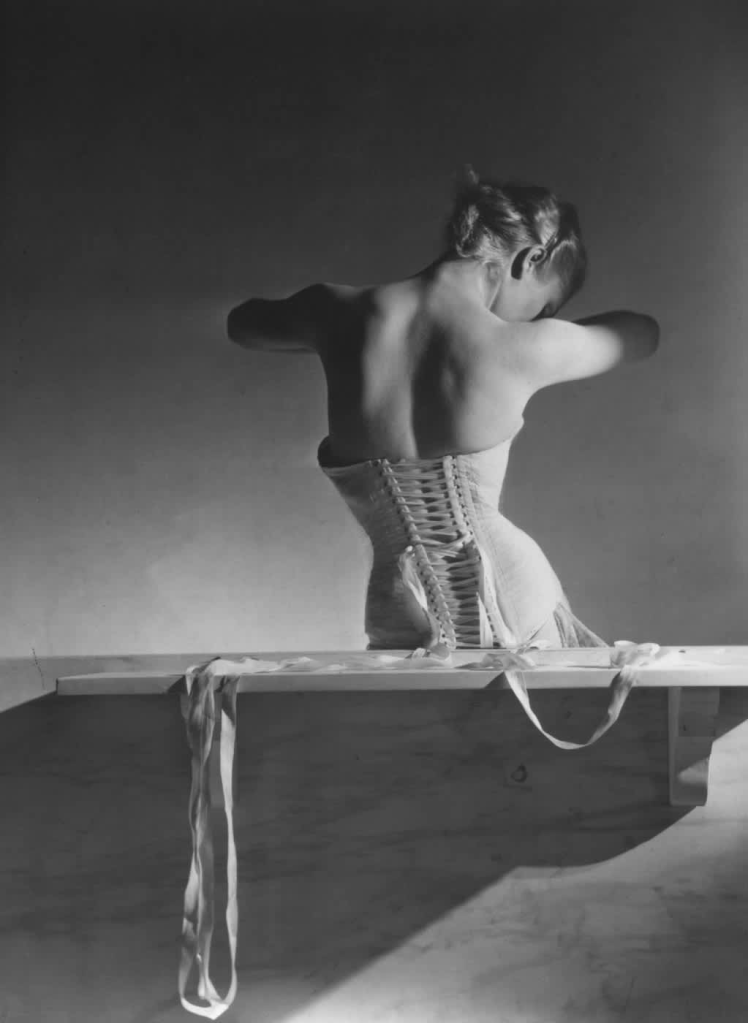
There’s something hauntingly beautiful about Horst P. Horst’s “Mainbocher Corset.” The photograph, taken just before the outbreak of World War II, captures a quiet elegance that feels frozen in time. The image of the model’s back, laced into a corset, exudes a sculptural quality that’s almost like a painting. It’s simple yet powerful, evoking a sense of intimacy and grace.
What makes this image so iconic is how it blends elements of fine art with fashion photography. It’s not just about the clothes; it’s about the play of light and shadow, the curve of the model’s body, and the mood it creates. Horst was ahead of his time, elevating fashion photography to something more than just commerce. It became art.
Cecil Beaton’s “Charles James Gown” (1948)
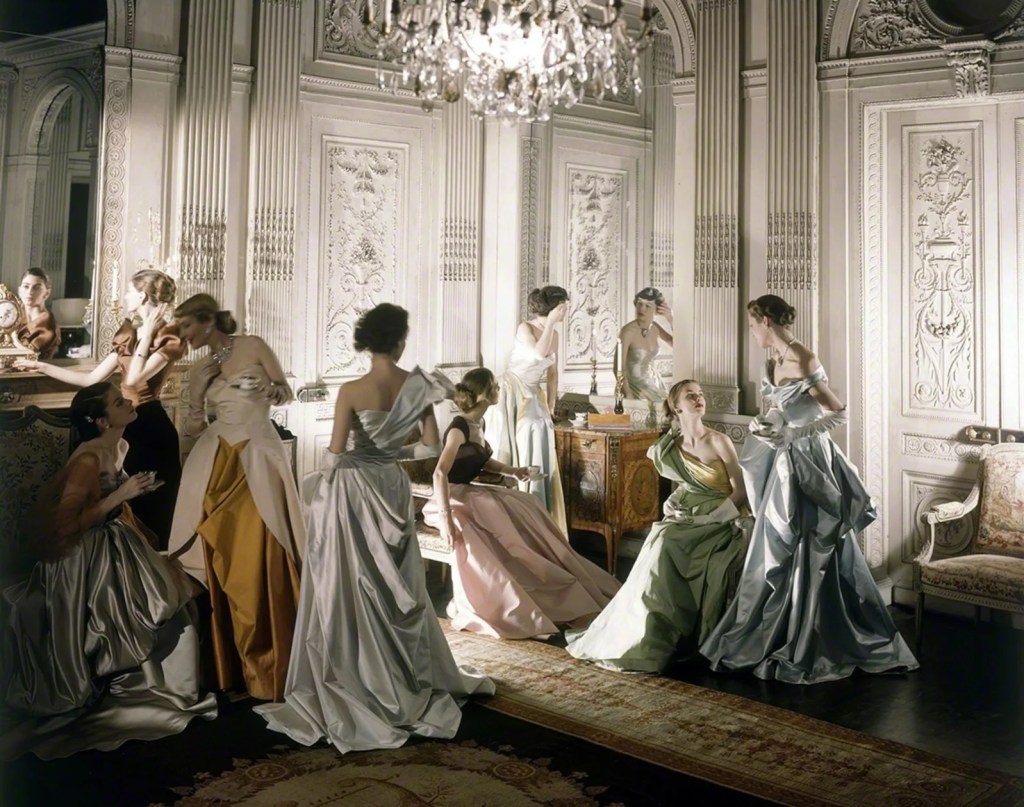
Cecil Beaton had a flair for drama, and his photograph of a Charles James gown is nothing short of spectacular. Taken when couture was making a comeback after World War II, this image represents the return of luxury and glamour. The way the gown’s fabric drapes and folds almost feels like a sculpture, and the lighting gives it a three-dimensional quality that’s hard to look away from.
Beaton didn’t just shoot fashion; he created scenes that looked like they belonged on the stage or in a movie. The photograph is a celebration of craftsmanship and elegance, with a sense of grandeur that makes it feel larger than life. It’s the kind of image that makes you want to step into the frame and experience the magic firsthand.
Guy Bourdin’s “French Vogue” (1970)
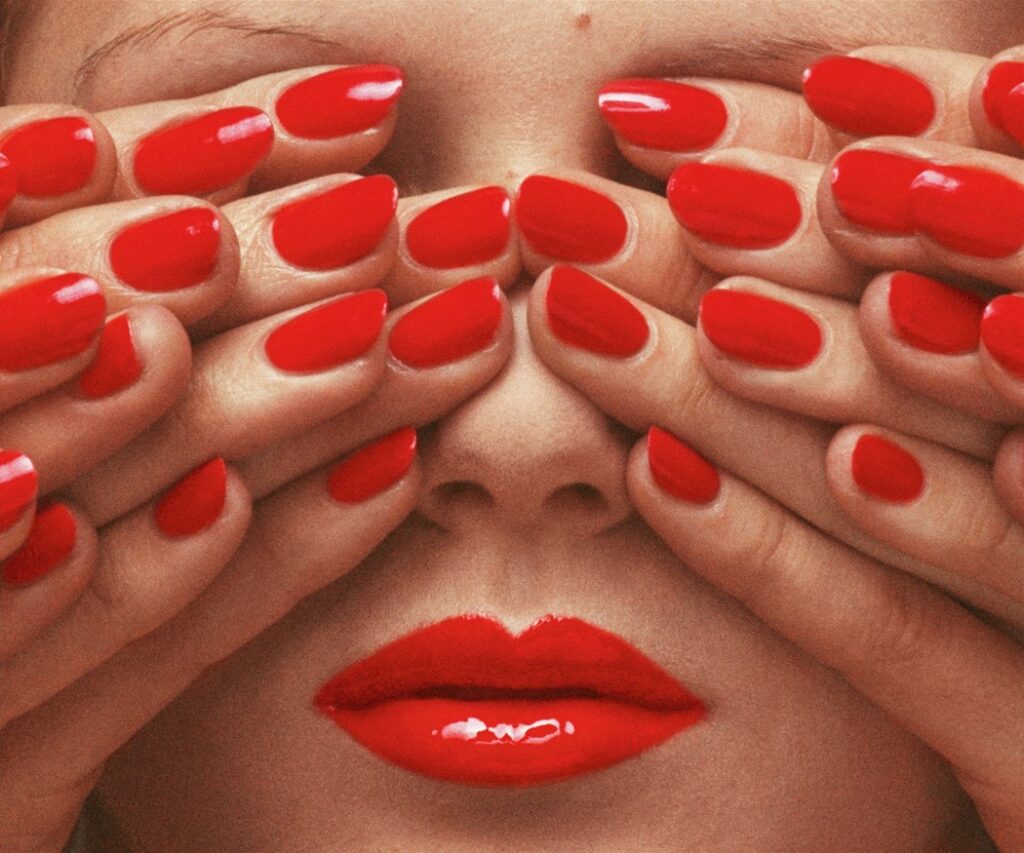
Guy Bourdin was the master of surreal and provocative fashion photography, and his work for French Vogue is a prime example. One of his most famous photographs features a pair of disembodied legs wearing red heels, sticking out of a vintage car. It’s bold, it’s strange, and it makes you do a double-take.
Bourdin’s use of vibrant colors and unusual compositions challenged viewers to think about fashion in a different way. He wasn’t interested in playing it safe; he wanted to provoke and surprise. The photograph’s dark humor and sense of mystery invite you to look closer and question what’s really going on. It’s more than just a fashion photo. It’s an invitation to think outside the box.
David Bailey’s “Jean Shrimpton” (1965)

David Bailey’s photographs of Jean Shrimpton helped define the “Swinging London” era of the 1960s. This wasn’t the buttoned-up fashion photography of the past. It was young, fresh, and full of energy, capturing the spirit of a generation that was all about breaking the rules. The casual vibe of the image, with Shrimpton’s windswept hair and effortless style, feels like a snapshot of freedom.
Bailey’s approach helped make fashion photography feel more like real life, bringing a sense of spontaneity and personality that was new at the time. It’s the kind of image that still feels relevant today because it’s not just about the clothes. It’s about attitude and style. It shows that sometimes the best photographs are the ones that feel a little bit unpolished and real.
Mario Testino’s “Kate Moss for Vogue” (1996)
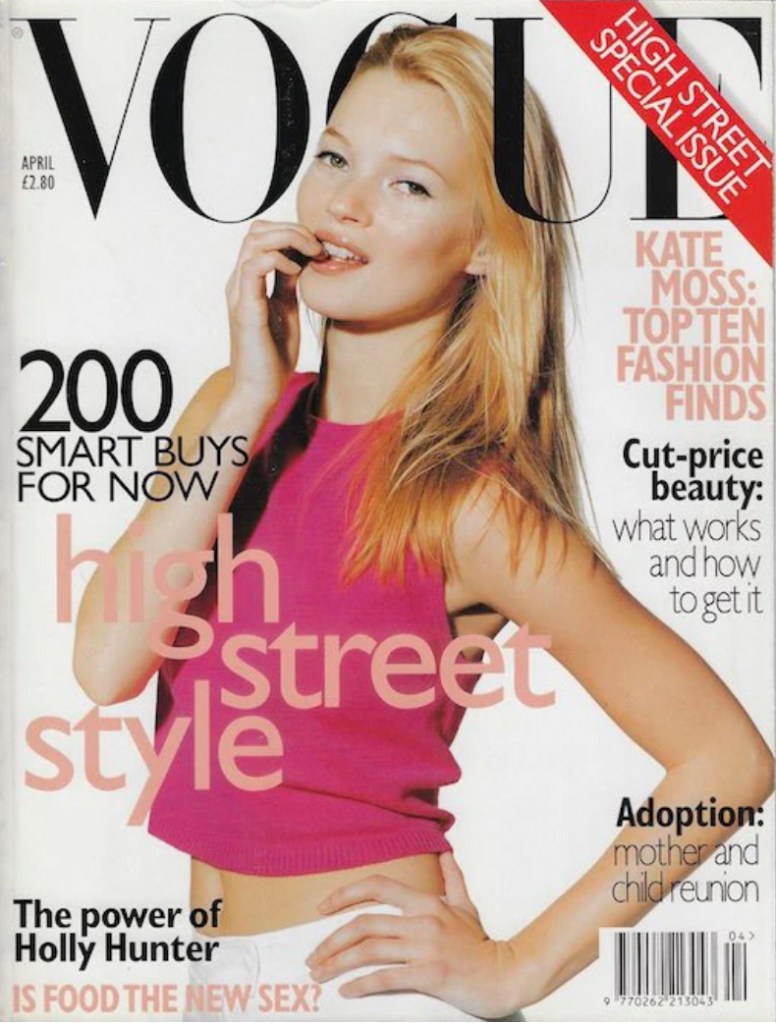
Mario Testino’s photograph of Kate Moss for Vogue in 1996 is a classic. It captures Moss laughing, looking carefree, and just being herself. At a time when fashion photography could sometimes feel stiff or overly stylized, Testino’s work was all about capturing real moments. The “heroin chic” aesthetic of the 1990s embraced a raw, unglamorous beauty that contrasted sharply with the airbrushed perfection of earlier decades. Testino’s shot of Kate Moss helped cement her status as a cultural icon and pushed the boundaries of what fashion photography could be by making it feel more personal and relatable.
The photograph’s energy is infectious. Moss’s laughter and relaxed pose invite you in, making you feel like you’re sharing in the moment. The natural light and casual setting give it an authentic, almost candid vibe, which was a refreshing change from the overly polished images that dominated the industry before. It’s the kind of photo that feels timeless because it captures not just a look, but a mood. A carefree spirit that resonates no matter the era.
Why These Photographs Matter
These ten photographs aren’t just images. They’re cultural touchpoints that have influenced fashion, photography, and even the way we view beauty. Each photograph tells a story that goes beyond the clothes on the models, reflecting societal shifts, challenging the norms of its time, and capturing the essence of an era. Featuring groundbreaking photographers like Richard Avedon, Norman Parkinson, and others who redefined the field, this list celebrates the power of fashion photography to make us see the world differently.
These photographers did more than just document trends; they helped shape them. By taking fashion out of rigid studio settings and into real, dynamic environments, they brought emotion, movement, and authenticity to the images. They didn’t just show us what was fashionable. They showed us how it felt. Whether capturing elegance, rawness, or whimsy, these photographs continue to inspire, influencing generations of photographers and fashion enthusiasts.
Books on These Iconic Fashion Photographers
For those who want to dive deeper into the world of fashion photography, each of these photographers has left behind more than just captivating images. They’ve also been celebrated in beautifully crafted books that showcase their work and philosophy. These books are more than collections of photographs; they offer a window into the evolution of style, culture, and the creative genius that reshaped fashion photography.
- Richard Avedon: Avedon Fashion 1944-2000 – A timeless compilation of Avedon’s bold work, this book captures five decades of his influential career in fashion photography, from his transformative portraits to his iconic editorial spreads.
- Norman Parkinson: Norman Parkinson: A Very British Glamour – This book presents a vibrant look at Parkinson’s playful and adventurous style, showcasing his unique approach to fashion photography that celebrated both beauty and spontaneity.
- Helmut Newton: Helmut Newton: SUMO – Known for its larger-than-life format, SUMO offers an extensive selection of Newton’s daring work, blending sensuality with elegance and capturing the provocative edge of fashion.
- Irving Penn: Irving Penn: Centennial – Published on the centenary of Penn’s birth, this comprehensive collection spans his innovative career, including his beauty photography that challenged conventional aesthetics.
- Peter Lindbergh: A Different Vision on Fashion Photography – Celebrating Lindbergh’s raw, unretouched style, this book features his defining supermodel portraits and explores his approach to natural, authentic beauty.
- Horst P. Horst: Horst: Photographer of Style – A detailed look at Horst’s work that merges fashion, art, and elegance, showcasing his refined, classical compositions that brought haute couture to new heights.
- Cecil Beaton: The Glass of Fashion – Written by Beaton himself, this engaging book offers reflections on his illustrious career, accompanied by iconic images that reveal his theatrical approach to fashion.
- Guy Bourdin: Guy Bourdin: Image Maker – This collection highlights Bourdin’s vibrant use of color and surreal compositions, offering a glimpse into his work for French Vogue and his unconventional storytelling.
- David Bailey: David Bailey: Look – Capturing the youthful spirit of 1960s London, this book presents Bailey’s candid, energetic style, reflecting the cultural revolution of the “Swinging London” era.
- Mario Testino: Kate Moss by Mario Testino – This book showcases Testino’s famous work with Kate Moss, featuring iconic images that helped shape the “heroin chic” aesthetic and redefined fashion in the 1990s.
Each of these books captures the legacy and vision of these photographers, offering fans and budding photographers a deeper understanding of how these artists reshaped the fashion landscape. Whether you’re captivated by Avedon’s timeless elegance, Newton’s provocative style, or Lindbergh’s raw authenticity, these books are essential reads for anyone looking to understand the power of fashion photography as an art form.
Explore More Fashion Photographs
The Victoria and Albert Museum’s exploration of 100 years of fashion photography delves into the transformative journey of this dynamic art form, highlighting how it has evolved alongside cultural and technological advancements. From the elegant black-and-white portraits of the early 20th century to the bold and experimental imagery of today, fashion photography has continually redefined aesthetics and storytelling in the fashion industry. Pioneering photographers like Cecil Beaton, Helmut Newton, and Nick Knight have pushed creative boundaries, capturing not just clothing but the essence of each era’s social and cultural ethos. This rich history underscores fashion photography’s role in shaping trends, influencing perceptions of beauty, and reflecting societal changes. By tracing this century-long evolution, we gain insight into how fashion photography remains a powerful medium that marries art, commerce, and innovation, leaving an indelible mark on both fashion and visual culture.
The article 18 Iconic Photoshoots in Fashion from Glam Observer takes readers on a journey through some of the most influential and memorable fashion photoshoots that have shaped the industry. It highlights how these photoshoots have not only showcased clothing and style but also captured cultural moments, challenged societal norms, and pushed creative boundaries. Featuring the work of legendary photographers like Richard Avedon, Annie Leibovitz, and Steven Meisel, the article examines how their collaborations with top models and celebrities resulted in groundbreaking images. From provocative editorials to revolutionary advertising campaigns, these iconic photoshoots have left an indelible mark on fashion history. The piece celebrates the artistry and vision behind these images, illustrating their lasting impact on fashion, photography, and popular culture.
The article Fashion Photography in 10 Iconic Images from Independent Photo takes readers on a visual journey through ten seminal photographs that have profoundly shaped the world of fashion photography. Highlighting the groundbreaking work of legendary photographers like Richard Avedon, Helmut Newton, and Irving Penn, it explores how their innovative approaches pushed the boundaries of the genre. Each image is examined for its artistic significance and the cultural context in which it was created, illustrating how these photographs not only showcased the fashion of their time but also mirrored broader societal shifts. The article emphasizes the transformative power of these iconic images in redefining beauty standards, challenging conventions, and influencing generations of photographers and designers, underscoring fashion photography’s enduring impact as an art form that transcends mere documentation to become a powerful medium for expression and storytelling.
The article In Focus: Fashion Photography from the Getty Museum examines the evolution and artistry of fashion photography through a curated collection of iconic images. It explores how fashion photography has transcended its commercial roots to become a significant form of visual art that reflects cultural shifts and societal values. The exhibition highlights the works of influential photographers who have shaped the genre, showcasing their innovative techniques and creative visions that have pushed the boundaries of fashion imagery. By delving into themes such as identity, expression, and the interplay between fashion and art, the article underscores the profound impact fashion photography has had on both the fashion industry and visual culture over time.
The article Exploring the 10 Most Influential Fashion Photos from L’Officiel Ibiza takes readers on a journey through ten seminal fashion photographs that have profoundly impacted the industry and visual culture. It highlights how these iconic images, captured by renowned photographers and featuring influential models and designers, have not only showcased groundbreaking fashion but also reflected pivotal societal shifts and cultural movements. From revolutionary editorial shoots to boundary-pushing campaign visuals, the article examines how each photograph has challenged conventions, inspired trends, and set new standards in fashion imagery. By delving into the stories behind these influential photos, the piece underscores the enduring power of fashion photography to transcend mere aesthetics and become a powerful medium for expression, storytelling, and social commentary.
The article how Guide to the Best Fashion Photographers from Rise Art provides an insightful overview of some of the most influential photographers who have shaped the landscape of fashion photography. Highlighting iconic figures like Richard Avedon, Helmut Newton, Annie Leibovitz, and Mario Testino, the guide delves into each photographer’s unique style, approach, and significant contributions to the fashion industry. By exploring Avedon’s revolutionary ability to capture personality and emotion, Newton’s provocative imagery that challenged societal norms, and Leibovitz’s storytelling prowess blending celebrity, fashion, and fine art, the article illustrates how these luminaries have redefined fashion photography. It also touches on contemporary influencers like Nick Knight and Tim Walker, known for their innovative techniques and imaginative visuals. Throughout, Rise Art emphasizes how these photographers have not only set aesthetic trends but also impacted cultural perceptions of beauty and style, underscoring the evolution of fashion photography from mere garment cataloging to a dynamic art form that shapes cultural narratives.
The article 16 Iconic Photographers Who Changed the Fashion Landscape from CR Fashion Book highlights the influential work of sixteen legendary photographers who have significantly shaped and transformed the world of fashion photography. It delves into the careers of visionaries like Richard Avedon, Helmut Newton, Irving Penn, and Annie Leibovitz, among others, showcasing how their innovative approaches and unique perspectives revolutionized fashion imagery. The article explores how these photographers broke conventions, introduced new aesthetics, and captured the zeitgeist of their times, thereby redefining how fashion is perceived and presented. By blending art with fashion, they have not only set new standards in the industry but also influenced cultural perceptions of beauty, style, and identity. This comprehensive overview underscores the lasting impact these iconic photographers have had on the fashion landscape, cementing their legacy as pioneers who pushed the boundaries of creativity and expression in fashion photography.
More Than Meets the Eye
Fashion photography is more than a way to showcase clothing. It’s a form of storytelling that explores identity, culture, and emotion. These favorite iconic photographs show how the medium has evolved, pushing boundaries and shaping the narratives of style and beauty. As we revisit these masterpieces, we’re reminded of how fashion photography has not only shaped visual culture but also challenged us to look at fashion, and ourselves, in new ways.
So, what about you? Which fashion photograph stands out as your favorite, and why?
Iconic Photographs That Captured Moments and Changed History
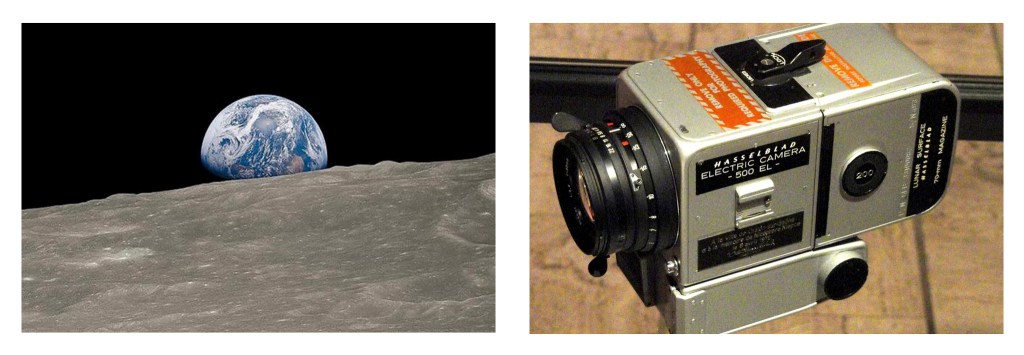
Photographs have the power to freeze time and tell stories that resonate across generations. Some images are more than just snapshots. They hold the weight of history, emotions, and the beauty of human experience. Let’s journey through some of the most iconic photographs ever taken and explore the magic behind them.
The Cameras Behind Iconic Photos
Every great photograph starts with a camera. The School of Photography highlights legendary cameras that shaped history. Tools like the Leica M3 and the Nikon F played a role in capturing timeless moments. It’s fascinating to imagine the history these cameras have witnessed.
Timeless Photographs That Defined an Era
Invaluable’s list showcases 20 photographs that have stood the test of time. Dorothea Lange’s Migrant Mother reflects the resilience of humanity during the Great Depression. Steve McCurry’s Afghan Girl draws you in with eyes that seem to tell an entire life story. These images remind us of the power of photography to evoke emotion and create connections.
Historic Images from Wikipedia’s Collection
Wikipedia’s list of important photographs features moments that changed the world. From the first steps on the moon to the defiance of the Tank Man in Tiananmen Square, these photos aren’t just iconic. They’re transformative. They challenge us to see the world differently.
LIFE Magazine’s Lens on Humanity
LIFE Magazine’s 100 most important photos ever capture every facet of human existence. These images showcase triumph, despair, and resilience. They demonstrate how photography can inspire empathy and bring stories to life in ways words sometimes can’t.
Photographs That Stopped the World
HowStuffWorks highlights 10 iconic photos that captured global imagination. The sailor’s kiss on V-J Day and Neil Armstrong’s footprint on the moon are unforgettable. These images transport us to moments when the world held its breath.
The Art of Fashion Photography
Aperture’s 12 iconic fashion photographs celebrate the intersection of art and style. Helmut Newton’s bold imagery and Irving Penn’s elegant compositions prove that fashion photography is more than glamour. It’s storytelling at its finest.
The Energy of Sports in Photos
Neil Leifer’s iconic sports images capture the essence of competition and victory. His photo of Muhammad Ali standing over Sonny Liston remains one of the most powerful sports images ever. It’s a moment frozen in time that embodies strength and determination.
Photos That Changed History
121 Clicks features images that have driven change and sparked revolutions. From protests to victories, these photographs highlight the transformative power of capturing truth. They remind us of the role photography plays in shaping society.
Images That Inspired Generations
Shotkit’s focus on moments that inspired millions. The Tank Man of Tiananmen Square remains a symbol of courage and resilience. These images prove that a single photograph can move hearts and change minds.
The Trump Assassination Attempt and a Bullet in Mid-Air
CNN’s coverage of the Trump assassination attempt and Doug Mills’ CBS feature highlight the bravery of photojournalists. Mills captured a bullet mid-flight, blending technical skill and storytelling. These images remind us of the split-second decisions photographers make to document critical moments in history.
Wrapping Up: Why Iconic Photos Matter
These photos are not just history lessons. They are works of art that make you feel, think, and connect. As a photographer, I’m reminded of the magic of capturing a moment that speaks to people in ways words can’t. Which of these photos inspired or moved you the most?
© Paul Tocatlian. All Rights Reserved.
 Kisau Photography