When I began this photographic journey, my focus was on capturing the essence of the creatives I collaborated with. Their stories, their energy, and their individuality. However, as I spent more time shooting in Melbourne, I came to realize that the city itself was also a collaborator. Its streets were not just backdrops but brought depth, character, and a sense of spontaneity to the work.
Chapter 1, The Street Is My Studio, is where that realization took hold. This chapter reflects how the synergy between the artistry of my collaborators and the raw, textured environment of Melbourne shaped the heart of this project.

The Melbourne Portraits Project | Chapter 1 | The Street Is My Studio 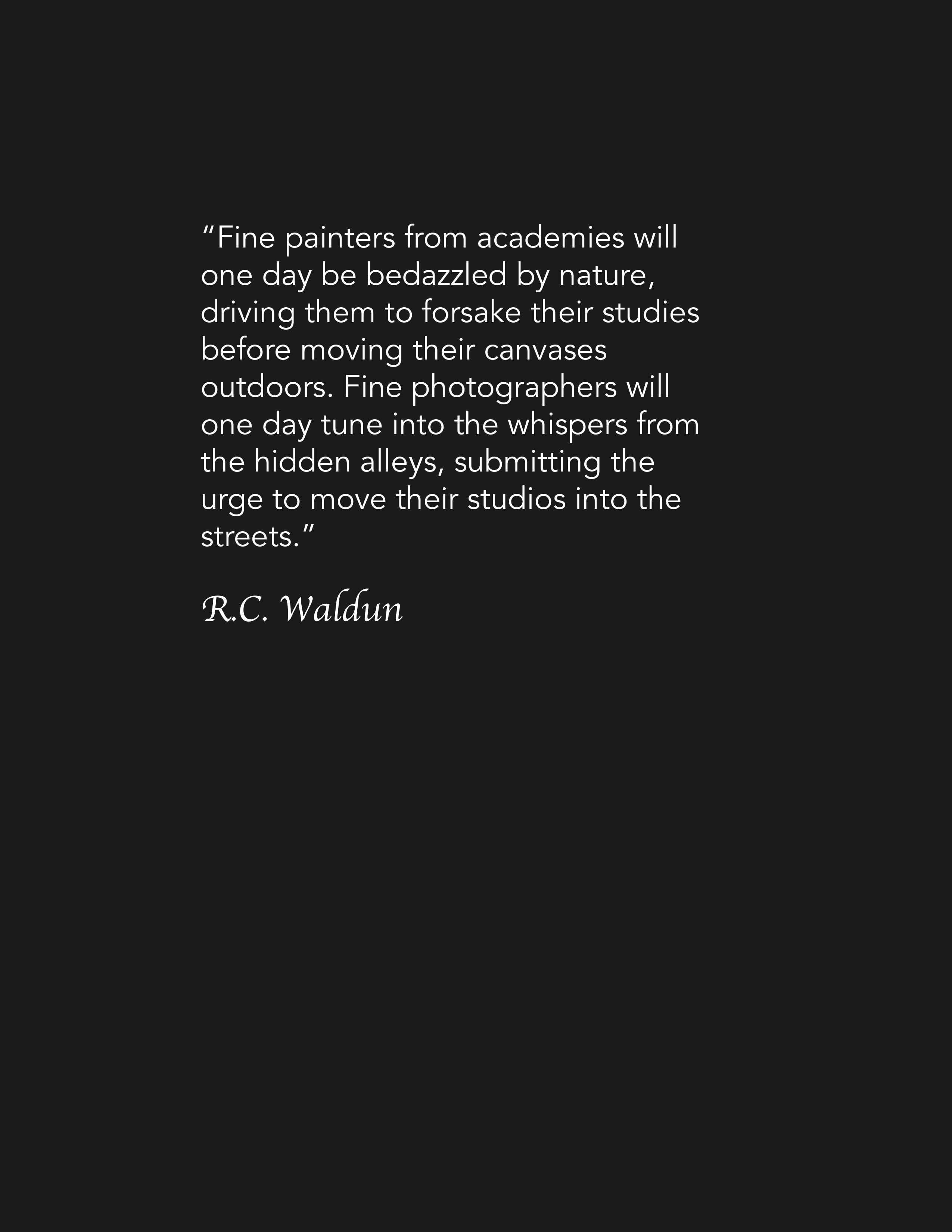
The Melbourne Portraits Project | Chapter 1 | The Street Is My Studio 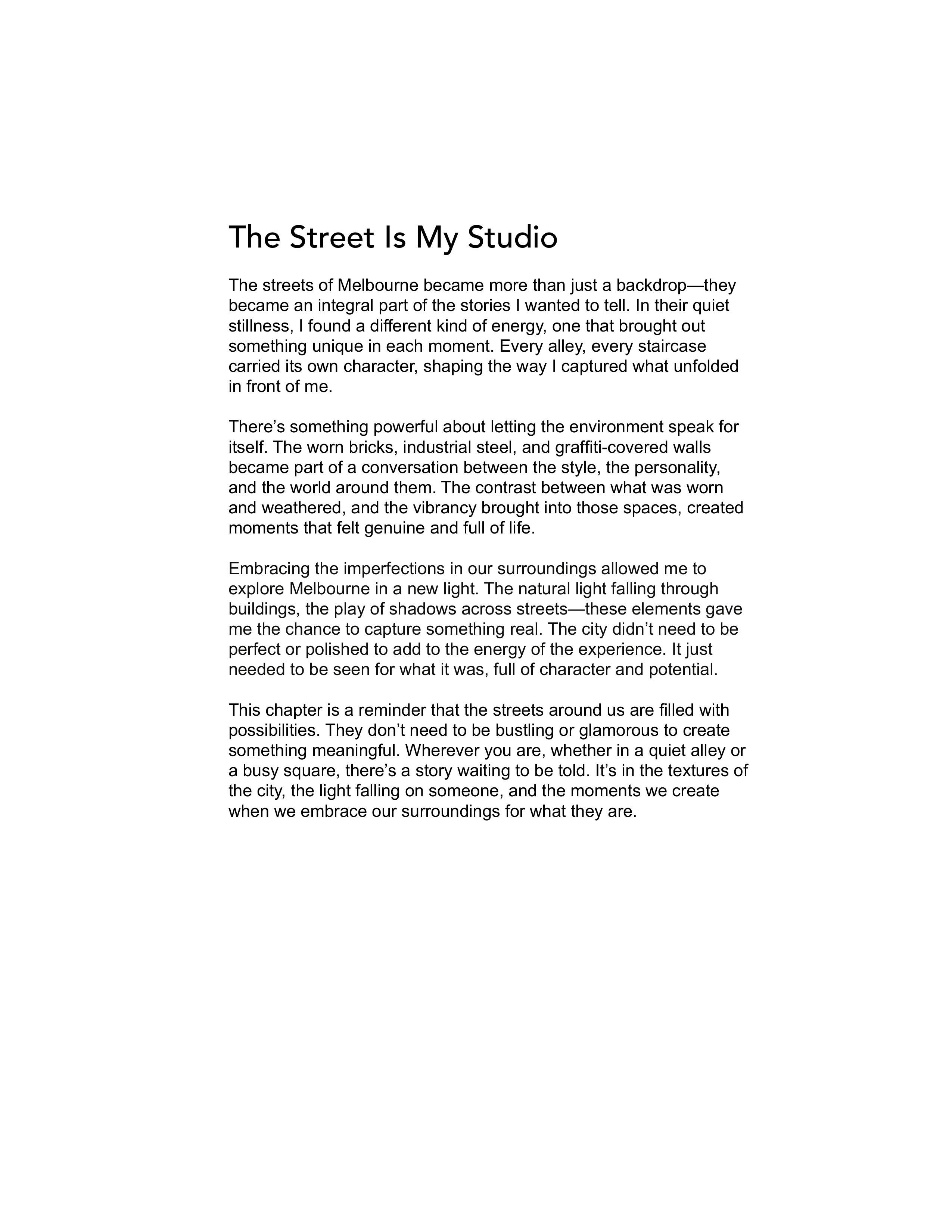
The Melbourne Portraits Project | Chapter 1 | The Street Is My Studio 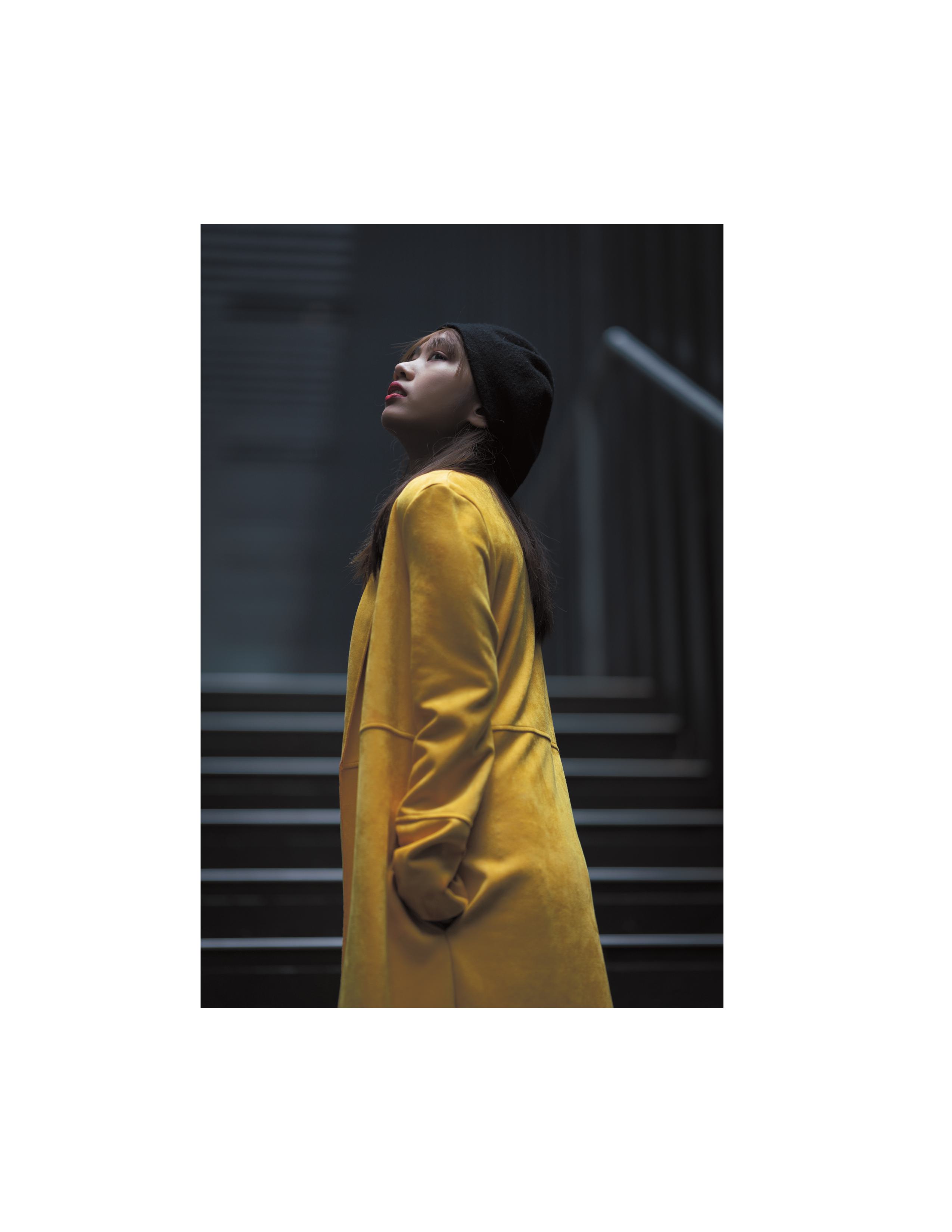
The Melbourne Portraits Project | Chapter 1 | The Street Is My Studio 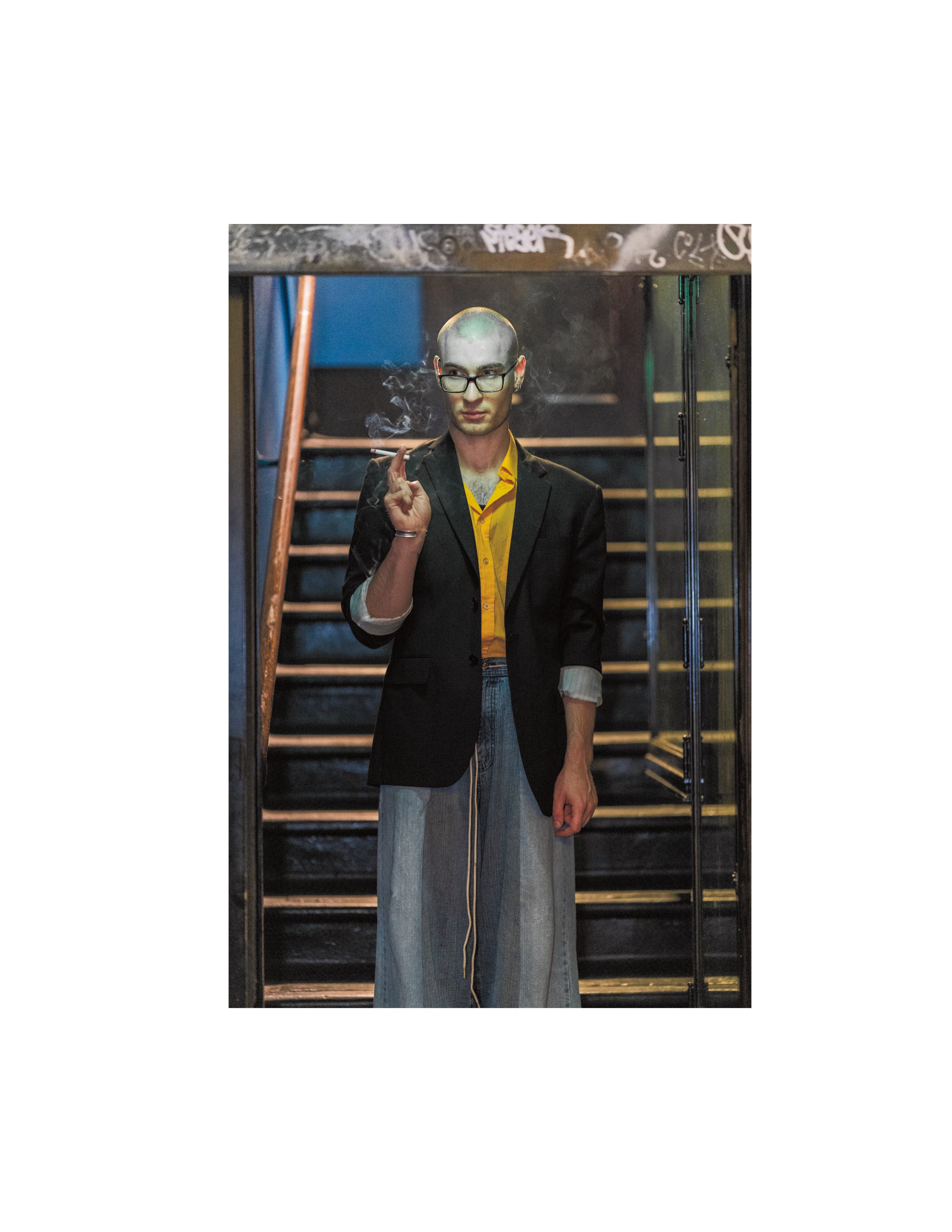
The Melbourne Portraits Project | Chapter 1 | The Street Is My Studio 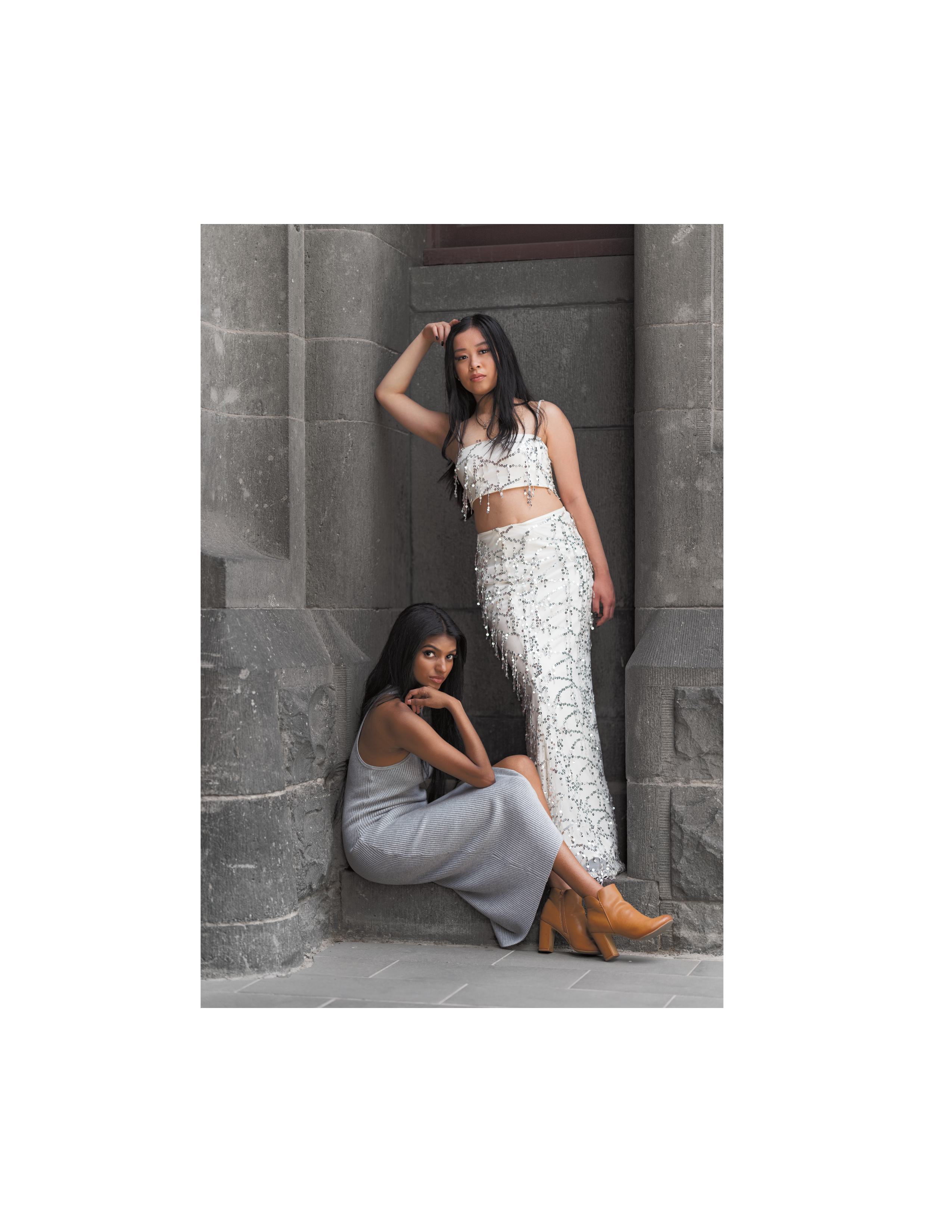
The Melbourne Portraits Project | Chapter 1 | The Street Is My Studio 
The Melbourne Portraits Project | Chapter 1 | The Street Is My Studio 
The Melbourne Portraits Project | Chapter 1 | The Street Is My Studio 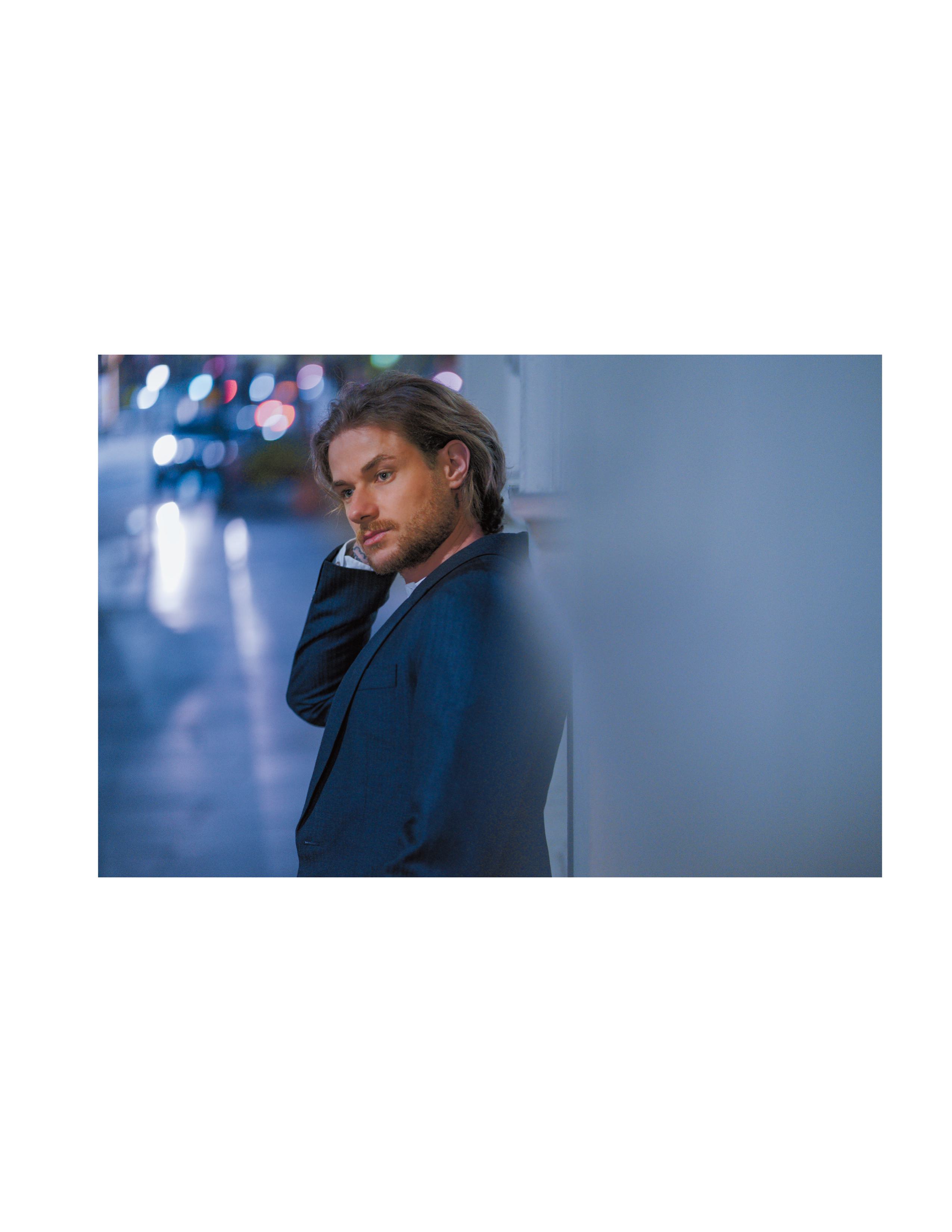
The Melbourne Portraits Project | Chapter 1 | The Street Is My Studio 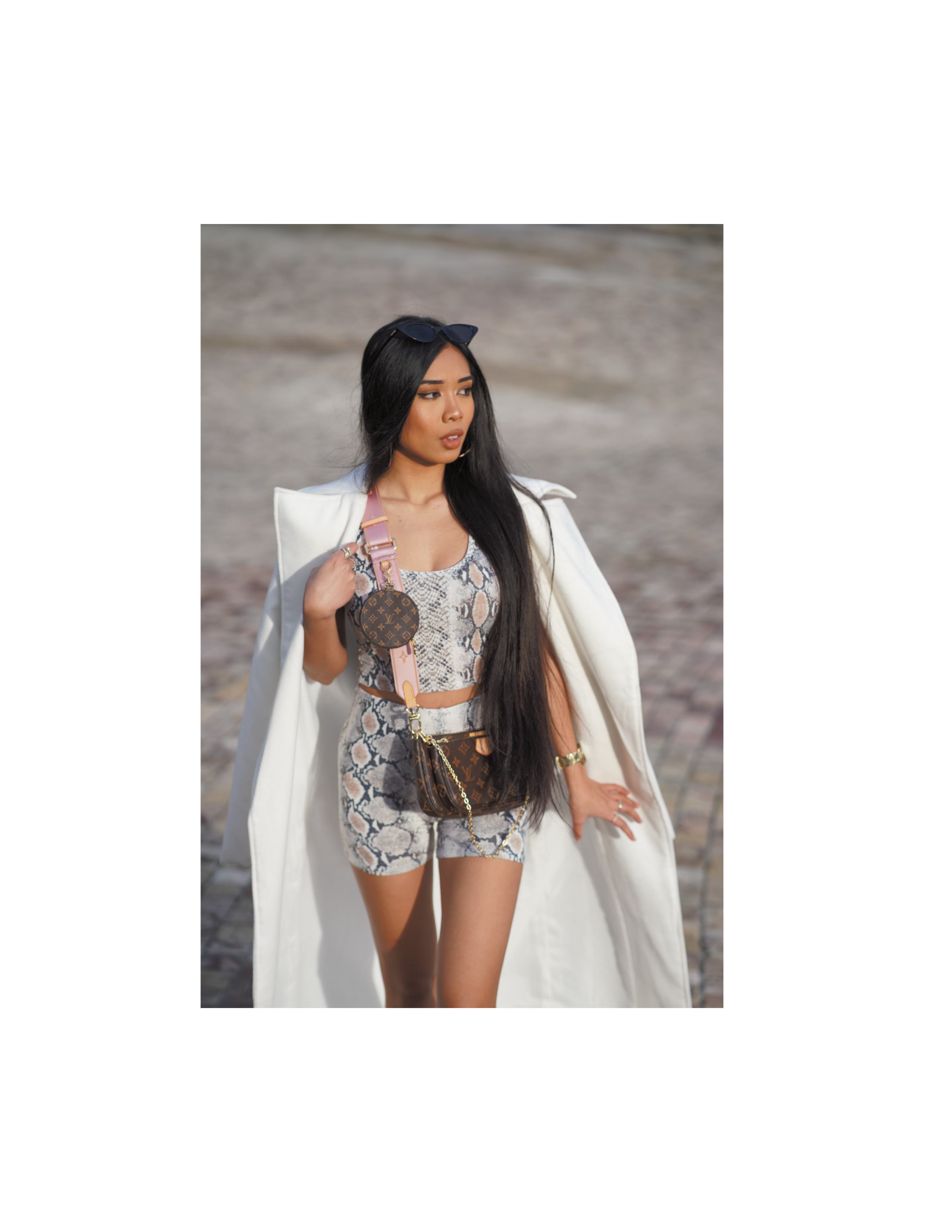
The Melbourne Portraits Project | Chapter 1 | The Street Is My Studio 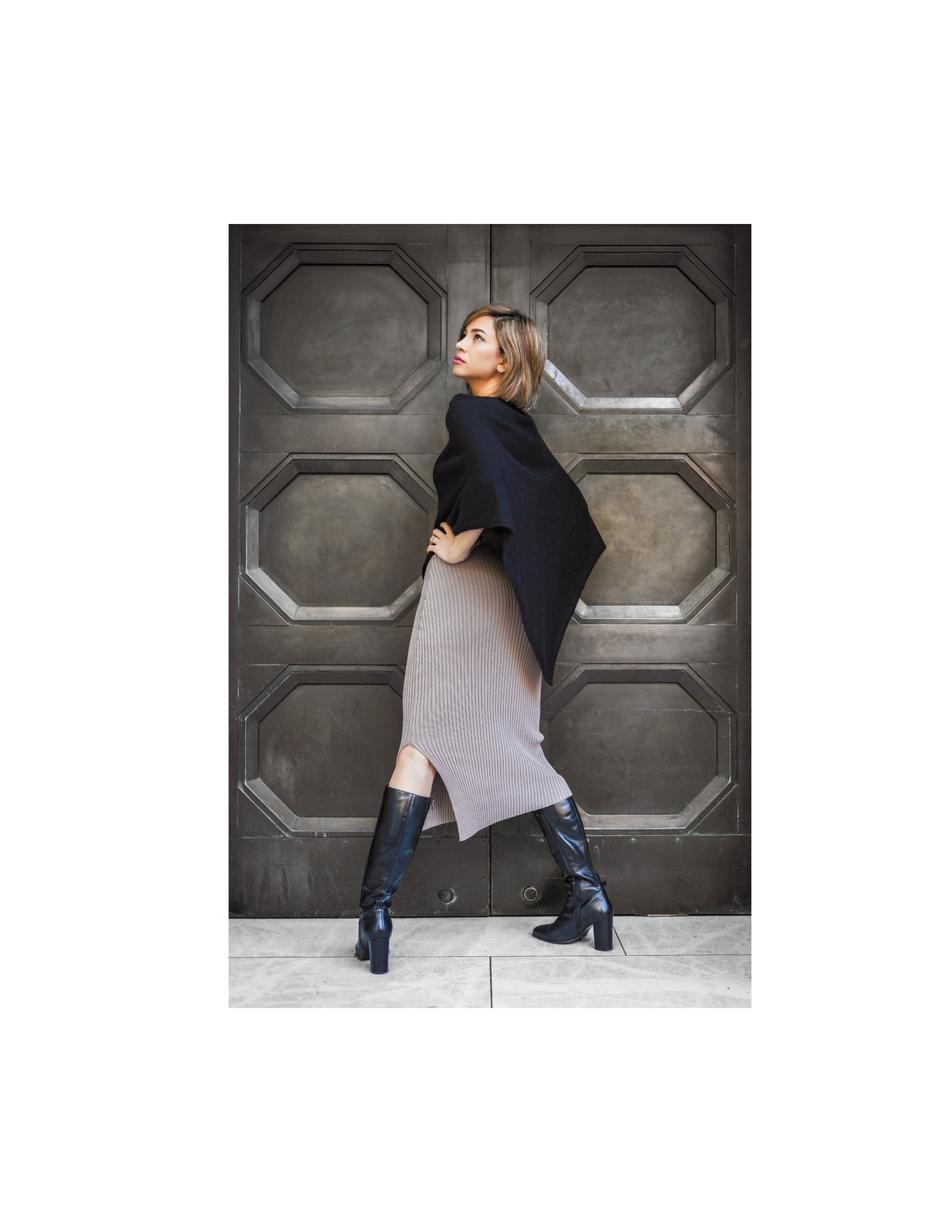
The Melbourne Portraits Project | Chapter 1 | The Street Is My Studio 
The Melbourne Portraits Project | Chapter 1 | The Street Is My Studio 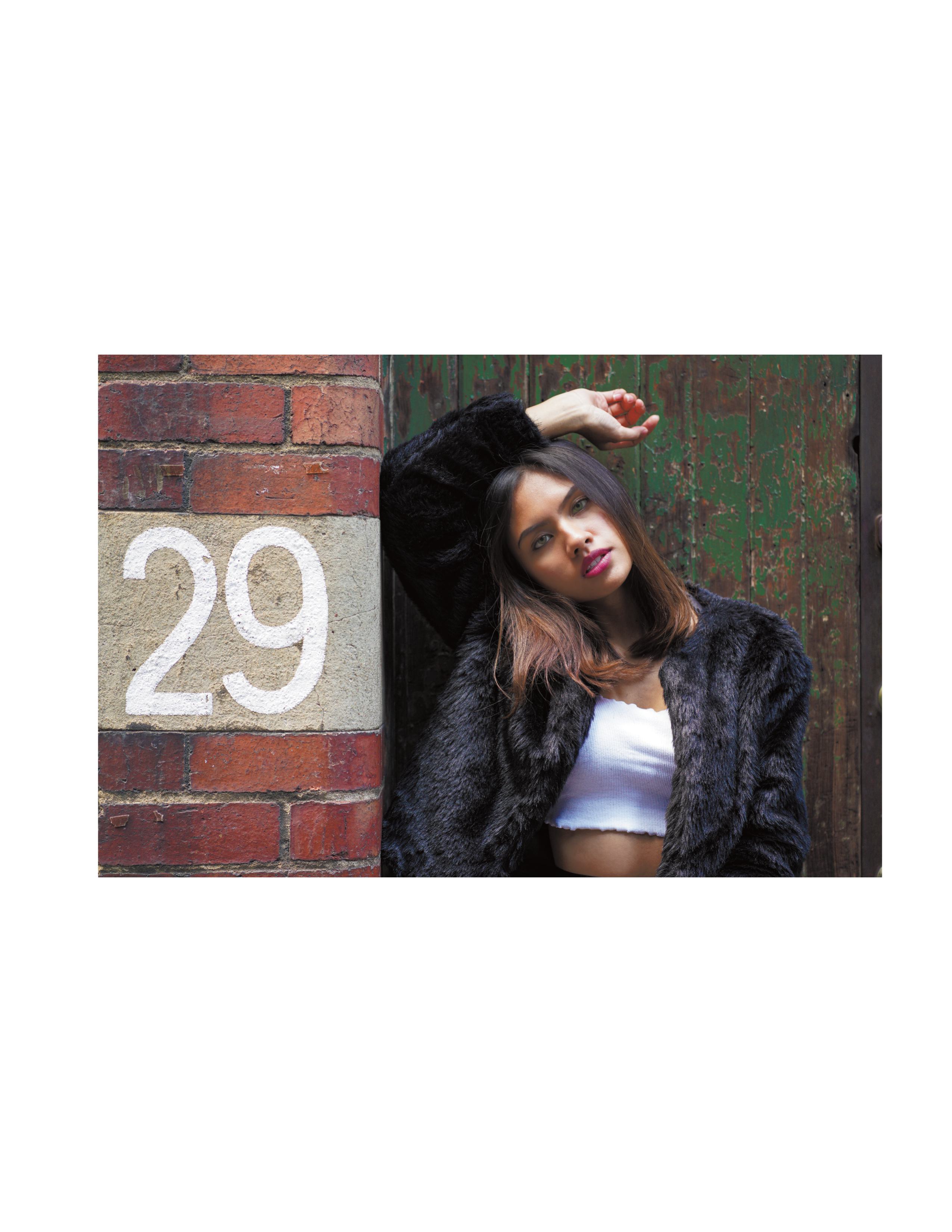
The Melbourne Portraits Project | Chapter 1 | The Street Is My Studio 
The Melbourne Portraits Project | Chapter 1 | The Street Is My Studio
About The Melbourne Portraits Project
The Melbourne Portraits Project: A Photographic Ode invites you to see Melbourne in a new light. Through a series of photoshoots scattered across the city’s streets, alleys, and hidden spots, Paul Tocatlian captures the creative pulse of Melbourne and the people who make it thrive. This book celebrates a community that inspires creativity and encourages everyone to dream bigger. Accompanying this photo book is a companion website that offers additional insights, including articles like this one, further exploring Melbourne’s inspiring spirit and the collaborative energy behind each portrait.
Photos That Didn’t Make The Cut
We know you’re wondering about the photos that didn’t make it into the book! We’ll be adding a curated mix here over time, so keep checking back for more hidden gems. Stay tuned!
R.C. Waldun Sets the Stage for This Chapter
“Fine painters from academies will
one day be bedazzled by nature,
driving them to forsake their studies
before moving their canvases
outdoors. Fine photographers will
one day tune into the whispers from
the hidden alleys, submitting the
urge to move their studios into the
streets.”
R.C. Waldun
This chapter begins with a quote by R.C. Waldun, a writer, post-graduate student, and a truly wonderful person. Robin is someone I deeply admire, not only for his sharp mind but for his humor, warmth, and creativity. His YouTube channel is a treasure trove for anyone curious about literature, philosophy, and the humanities.
Robin has also written a few books, and my favorite is Passing Tales. It’s a brilliant collection of vignettes and short stories that reveals the absurdity of everyday life with wit and charm. From disastrous dates to accidentally eating a carton of raw bacon, Robin’s stories are full of hearty laughs and surprising insights.
One story from Passing Tales that always makes me smile is The F.U. Burger. It’s about a lighthearted moment we shared after an evening listening to jazz at a club in Melbourne. We stopped by Hungry Jack’s, Australia’s version of Burger King, and decided to have a little fun with their self-order system. The system asked for your first name and last initial, but when calling orders, only the initials were announced. Naturally, we placed an order under the name “Frank Underwood.” A few minutes later, the server called out, loud and clear, “F U.” Yes, it was childish. And yes, it was hilarious.
Robin’s sense of humor, combined with his insightful observations, makes his writing and personality unforgettable. His epigraph in this chapter, “Fine photographers will one day tune into the whispers from the hidden alleys, submitting the urge to move their studios into the streets,” captures the spirit of this project perfectly.
How The Chapter Found Its Name
The name The Street Is My Studio came to me while I was still in Melbourne. It perfectly captured how I was using the city’s streets as more than just backdrops. They became dynamic, collaborative spaces that added energy and character to every shoot.
When the idea of writing a book began to take shape, The Street Is My Studio felt like a fitting title. But as the project evolved, I realized that the book wasn’t just about the streets; it was about the creative community I had the privilege of collaborating with. The emphasis wasn’t on the environment alone. It was on the incredible synergy between the creatives and the city that shaped the heart of this project.
Ultimately, I decided to reserve The Street Is My Studio for my first zine. At the same time, I felt it was the perfect name for the opening chapter of this book, as it laid the foundation for everything that followed. For the book’s title, I chose The Melbourne Portraits Project: A Photographic Ode to better reflect the collaborative spirit and the vibrant creative community that brought this project to life.
Embracing Imperfection
One of the most meaningful lessons I learned during this project was the value of imperfection. Not as something to overlook but as a feature that adds depth and authenticity. Melbourne’s streets didn’t need to be pristine to elevate the work. Instead, their very imperfections brought character and soul to every frame.
These elements weren’t simply part of the background. They were active collaborators in the creative process. A worn staircase, with its chipped edges and subtle symmetry, added layers of history to the narrative. Quiet doorways drew the eye and shaped the mood of the scene. Narrow alleyways created an intimacy that added emotional depth to every image.
This philosophy of embracing imperfection extended beyond the streets to the collaborators themselves. Like the city, their individuality and creativity brought a unique energy to the project. The interplay between their expressions and Melbourne’s textured environment resulted in images that felt genuine and alive.
Ultimately, imperfection became the foundation of authenticity. Beauty wasn’t found in flawless settings, but in the cracks, shadows, and quiet corners of these spaces. By leaning into the imperfect, I uncovered a richness that elevated both the collaboration and the stories we told. The imperfections didn’t detract. They gave everything meaning and life.
Revisiting Melbourne’s Creative Spaces
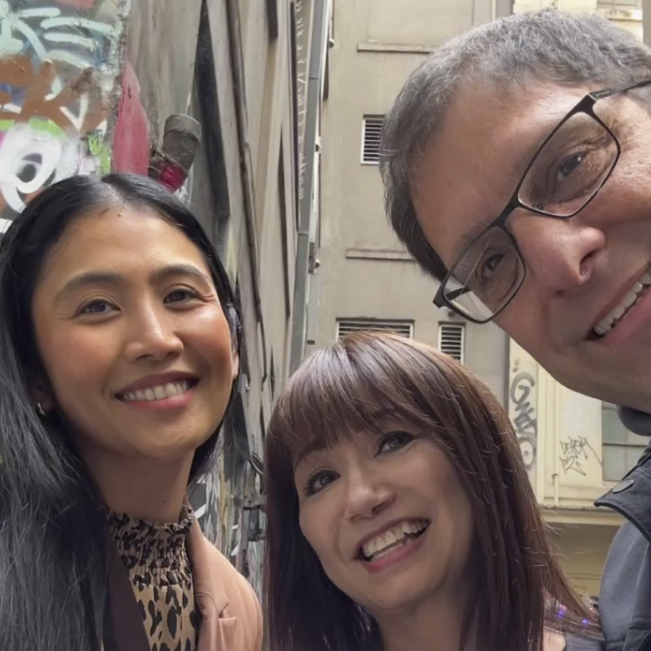
To celebrate the release of The Melbourne Portraits Project, a short video, filmed by Pia Gould, features Paul Tocatlian, Hannah Do, and Pia revisiting memorable spots in Melbourne where several of the book’s photoshoots were brought to life. The video captures lighthearted moments as the trio reflects on the creative energy that transformed these spaces during the pandemic. With a mix of humor and nostalgia, it offers a touching glimpse into the journey behind the project, showcasing the connection between the past and present. Watch the video for a behind-the-scenes look at the stories that inspired the book.
Join the Conversation!
I’d love to hear from you! Drop a comment below to connect with us and others exploring The Melbourne Portraits Project. Got a question about the stories behind the photos? Curious about the creative process? Or maybe you’ve got a story of your own to share? Whatever’s on your mind, let’s chat! Your thoughts and stories make this journey even richer. Jump in, join the conversation, and let’s keep the inspiration rolling!
© Paul Tocatlian. All Rights Reserved.
 Kisau Photography