Do you really need a fancy camera to take great photos? Honestly, no. Some of the most memorable images I’ve seen were captured with nothing more than a mobile phone. It’s not about the gear. It’s about the story you’re telling and the emotions you’re capturing. Ted Forbes sums it up beautifully in his book Visually Speaking: a great photograph isn’t about the camera. It’s about the story being told.
I’ll admit, I didn’t always think this way. When I first got into photography, I was obsessed with having the “perfect” gear. I thought the right camera or lens would magically transform my work. Spoiler: it didn’t. What did make a difference was learning to see the world differently. Learning to connect with people and the story behind the image. And that’s something no camera can do for you.
These days, I’ve found a happy balance. While I still believe storytelling is the heart of great photography, I also recognize how the right tools can make certain creative ideas come to life more effectively. That’s why I strive to tailor my gear selection to the project at hand. Whether I’m covering a high-energy runway or an intimate portrait photoshoot collaboration, I only bring what’s necessary. Nothing more, nothing less. It’s all about being prepared without being overwhelmed.
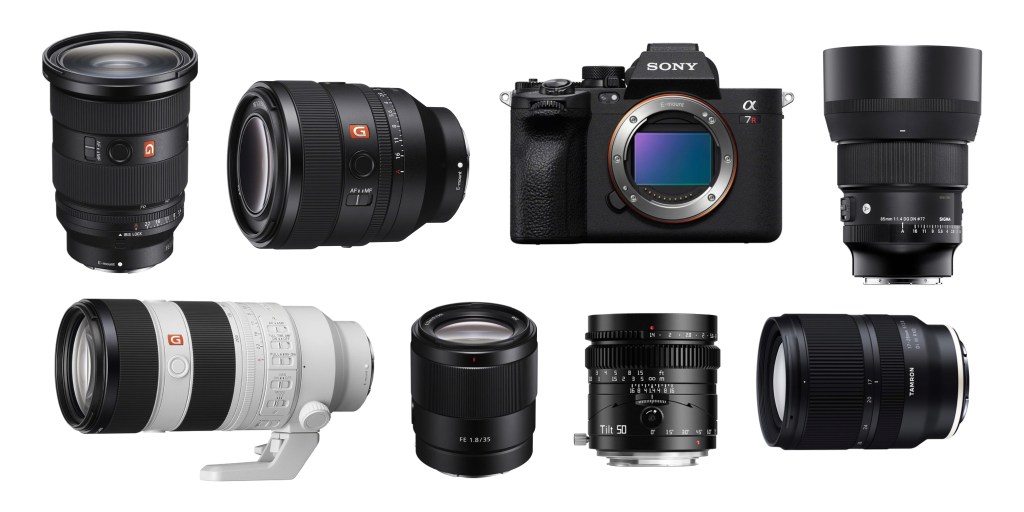
In this article, I’m sharing the camera and lenses I rely on most. These are the tools that help me bring my creative ideas to life, project after project. In future articles, I’ll cover other essentials like lighting and accessories. But for now, let’s dive into the gear that helps me tell my stories.
Sony Photography Kit
Sony a7R V
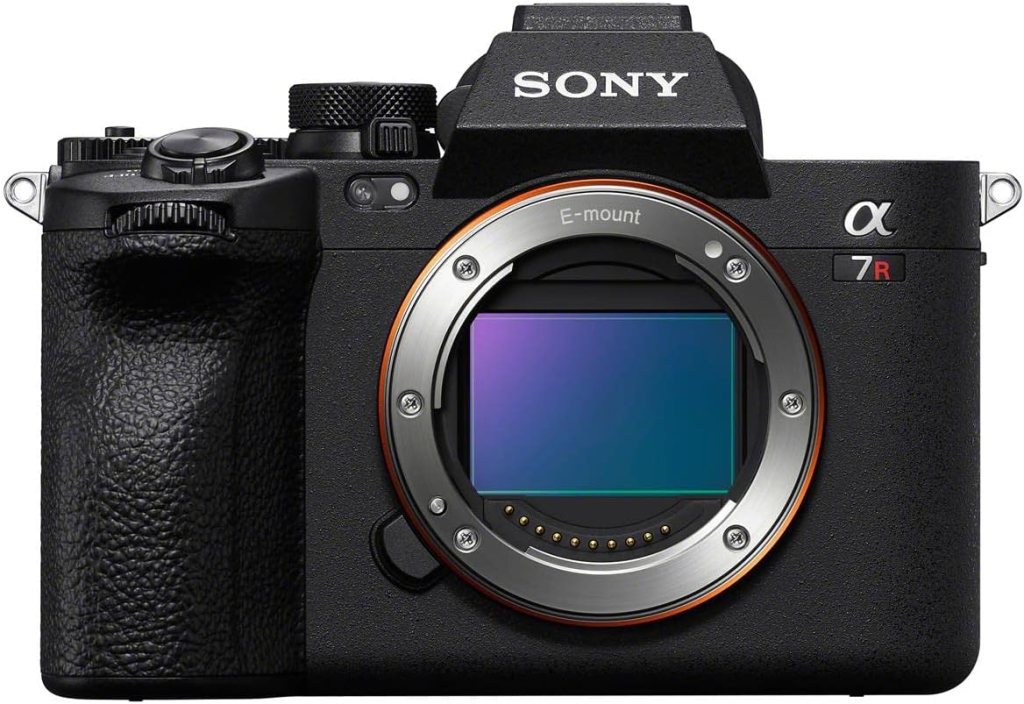
The Sony a7R V strikes the perfect balance between versatility and resolution, making it an indispensable tool for photographers working across diverse scenarios. With its 61MP full-frame sensor, it excels at capturing intricate textures and fine details in studio settings, making it ideal for editorial work. On location, it handles changing light conditions with ease, ensuring every shot is crisp and well-exposed. For runway shoots, the advanced autofocus system, featuring 693 phase-detection points, locks onto fast-moving subjects effortlessly, capturing the high-energy flow of fashion shows without missing a beat. Whether in the controlled environment of a studio or the dynamic chaos of a runway, this camera adapts to deliver exceptional results every time.
Sony FE 35mm F1.8
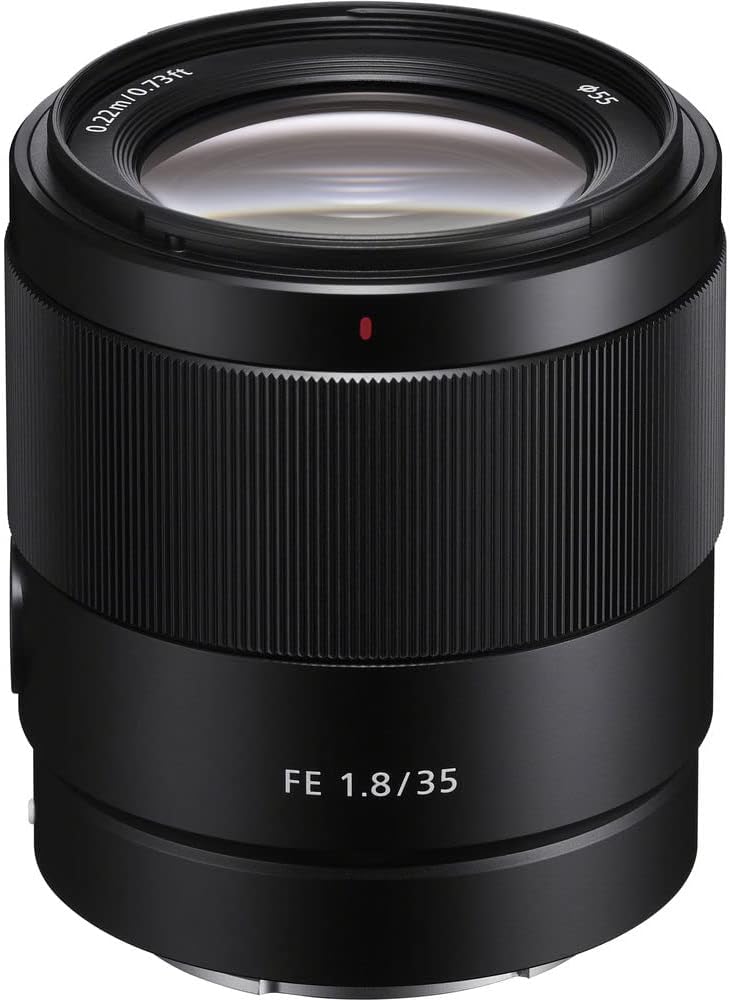
What distinguishes the Sony FE 35mm f/1.8 is its ability to capture expansive scenes without sacrificing subject prominence. The lens is lightweight and compact, making it a perfect choice for on-the-go shoots. Its wide-angle perspective and f/1.8 aperture combine to deliver excellent sharpness and natural background separation, especially in low-light environments. This lens excels at weaving environmental context into portraits, making it a favorite for storytelling on location.
This lens is perfect for location shoots where the environment tells as much of the story as the subject. Its compact design makes it ideal for shooting on the go, while the f/1.8 aperture ensures excellent low-light performance. Whether it’s capturing a model walking through a vibrant cityscape or blending them seamlessly into a natural backdrop, the wide angle helps create dynamic compositions. In studio shoots, it’s great for full-body shots with a bit of context, but its true strength shines outdoors.
Sony FE 50mm F1.2 GM
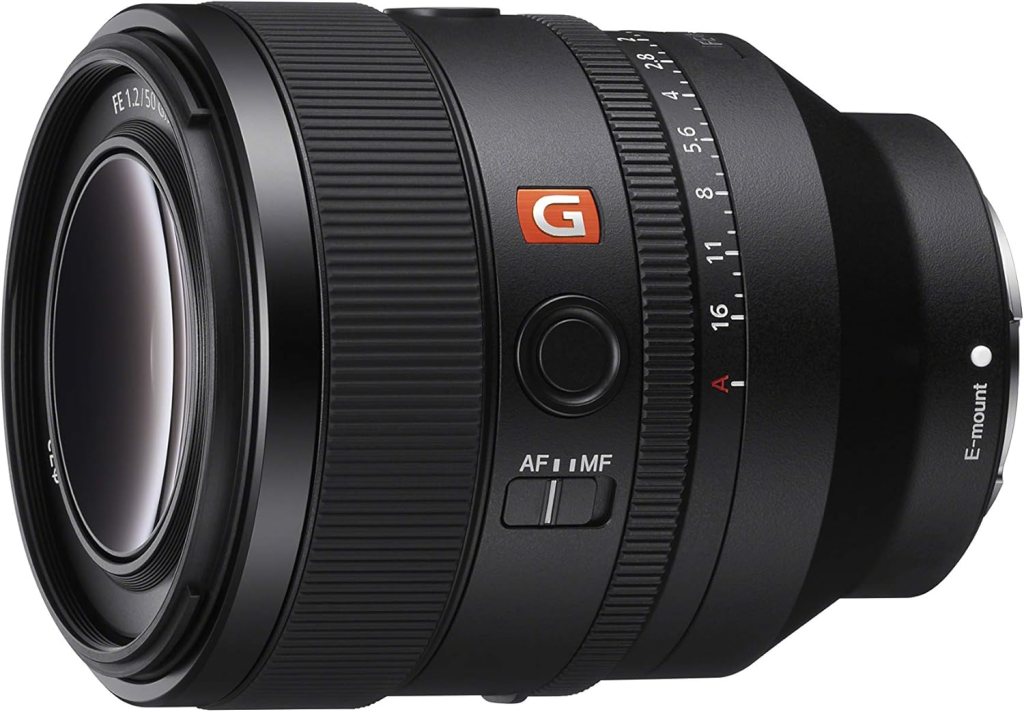
What sets the Sony FE 50mm F1.2 GM apart is its precision. With an ultra-fast f/1.2 aperture, this lens delivers outstanding sharpness, even at its widest setting, while creating beautifully defocused backgrounds. Its edge-to-edge clarity and bokeh are unmatched, making it an excellent tool for isolating subjects in portraits or fashion shoots. The lens’s durability and reliability make it an indispensable choice for both studio work and location shoots where lighting conditions can vary.
This lens is for achieving precise subject isolation and exceptional sharpness. With its fast f/1.2 aperture, it delivers superb bokeh and fine detail, making it perfect for isolating your subject in various settings. In the studio, it’s ideal for creating smooth, defocused backgrounds that emphasize the subject with clarity. On location, it excels in capturing scenes with beautifully blurred backgrounds while maintaining edge-to-edge sharpness. Its versatility also makes it an outstanding choice for editorial-style fashion shoots, providing technical reliability and creative flexibility.
Sony FE 28-70mm F2 GM
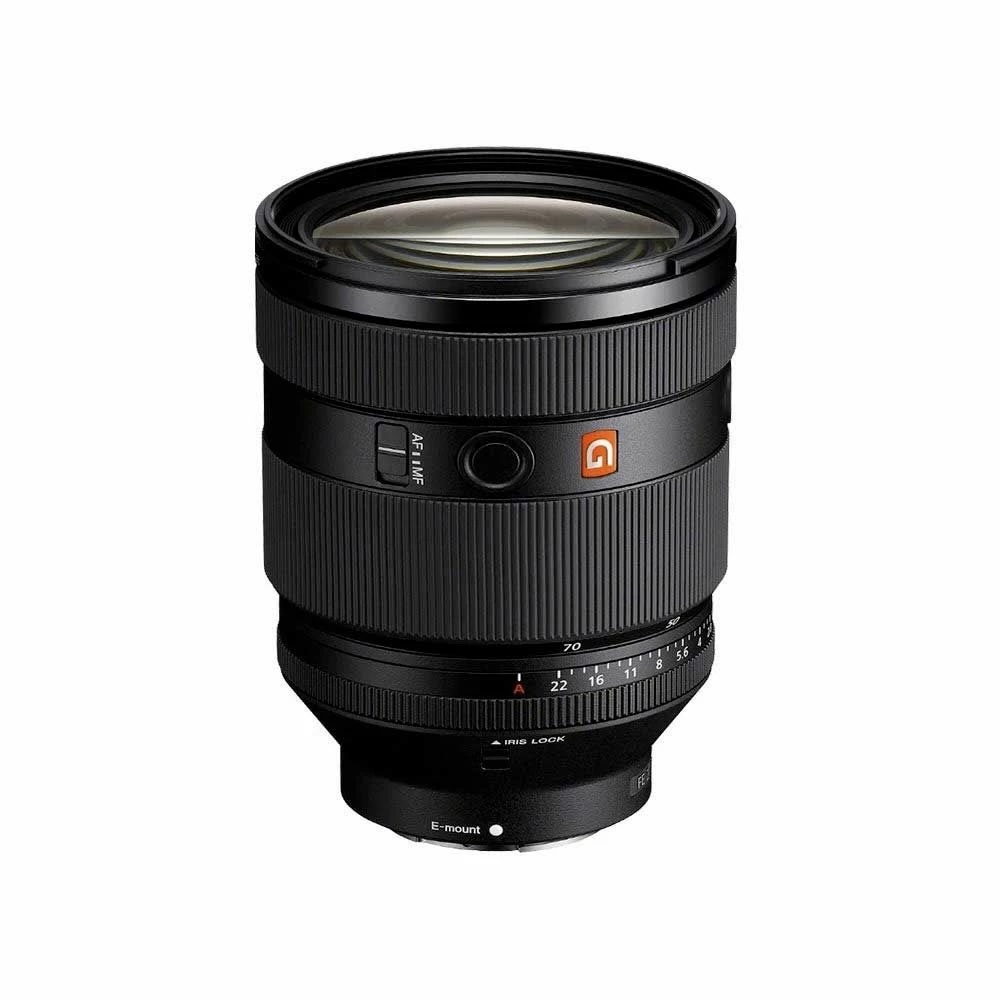
The Sony FE 28–70mm F2 GM is the lens I reach for more than any other. With its constant f/2 aperture, it blends the sharpness and depth of a prime with the flexibility of a zoom. Images are crisp and detailed, with smooth, cinematic bokeh and lightning-fast autofocus, even in demanding conditions.
On the runway, it shifts effortlessly from sweeping catwalk views to close-ups of intricate fabrics. On location, it covers everything from expansive landscapes that set the scene to tight portraits that capture personality. In the studio, it’s equally reliable, delivering professional results for group shots, editorial portraits, and stills. Built to G Master standards, it’s solid, weather-sealed, and comfortable to use for long hours, adapting seamlessly to changing light and fast-paced environments. This is my ultimate all-around lens. I almost never leave home without it.
Sony FE 70-200mm F2.8 GM II
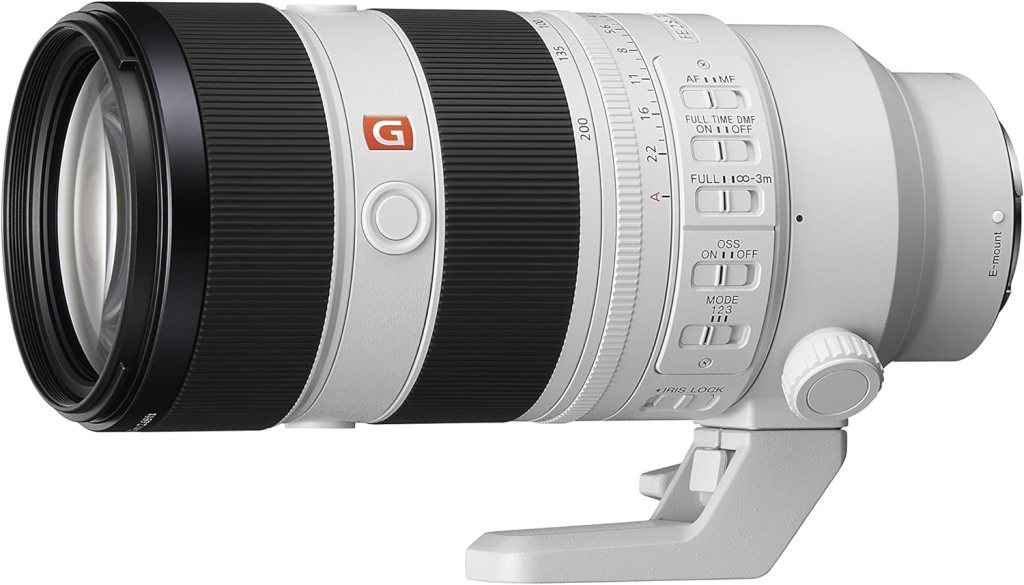
The Sony FE 70-200mm F2.8 GM II is defined by its reach and compression. Its 70-200mm zoom range allows for capturing intricate details from a distance, while the f/2.8 aperture ensures consistency in low-light settings. This lens is ideal for isolating subjects on a busy runway or creating dramatic portraits with compressed backgrounds. Its optical stabilization and advanced autofocus make it a reliable tool for fast-paced, high-energy shoots.
This telephoto lens is a runway essential. Its 70-200mm zoom range lets me capture detailed shots of outfits and accessories from a distance without disrupting the show. The constant f/2.8 aperture ensures consistent performance in low-light venues. In studio sessions, the lens’s compression adds depth and a touch of drama to portraits, while on location, it’s great for isolating the model from the background and creating a cinematic feel.
Sigma 85mm F1.4 DG DN ART
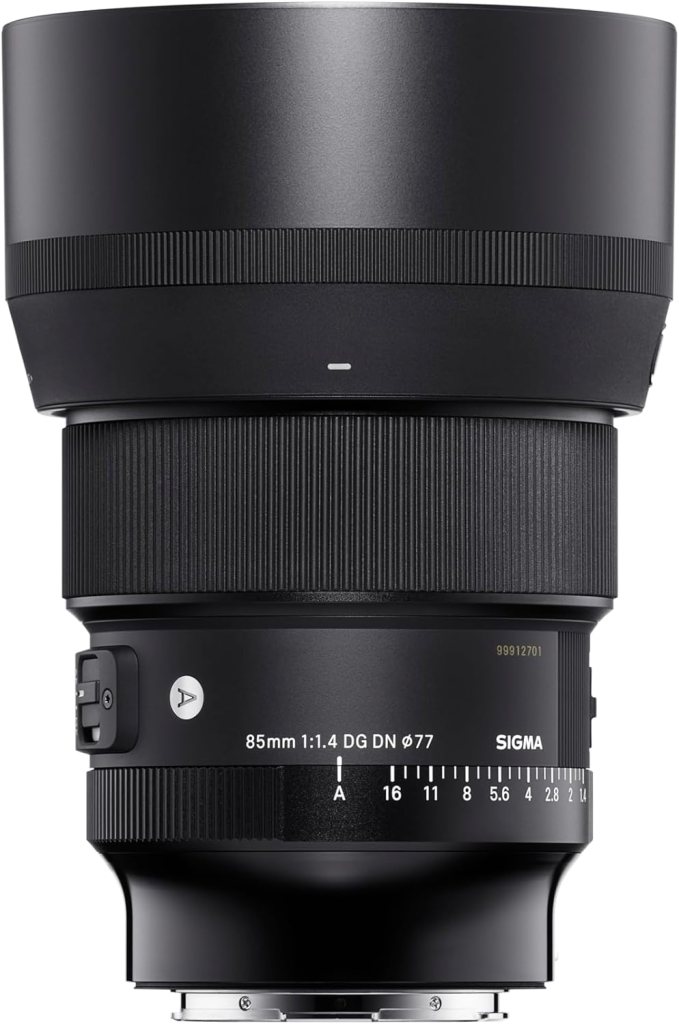
What distinguishes the Sigma 85mm F1.4 DG DN ART is its exceptional subject isolation and stunning optical quality. The f/1.4 aperture provides smooth, consistent bokeh while maintaining sharpness across the frame. This lens excels in studio settings, capturing every fine detail with precision, and on location, where its ability to separate the subject from the background elevates every shot. Its relatively lightweight design and affordable price point make it an indispensable tool for portrait and editorial photography.
If I could only own one lens, this would be it. The Sigma 85mm F1.4 DG DN ART is a standout performer, combining outstanding image quality with an approachable price point. Its bright f/1.4 aperture delivers smooth, consistent bokeh and excellent subject isolation, making it my go-to for headshots and intimate close-ups that truly stand out. In the studio, its razor-sharp detail beautifully captures every nuance of facial features and textures. On location, it excels at creating smooth, defocused backgrounds that elevate the narrative of any shot. Most of the photos featured in my book, The Melbourne Portraits Project, were taken with this lens, showcasing its unmatched versatility and technical excellence. Whether capturing intricate cityscapes or the expressive details of a subject, this lens consistently delivers exceptional results.
Tamron 17-28mm F2.8 Di III RXD
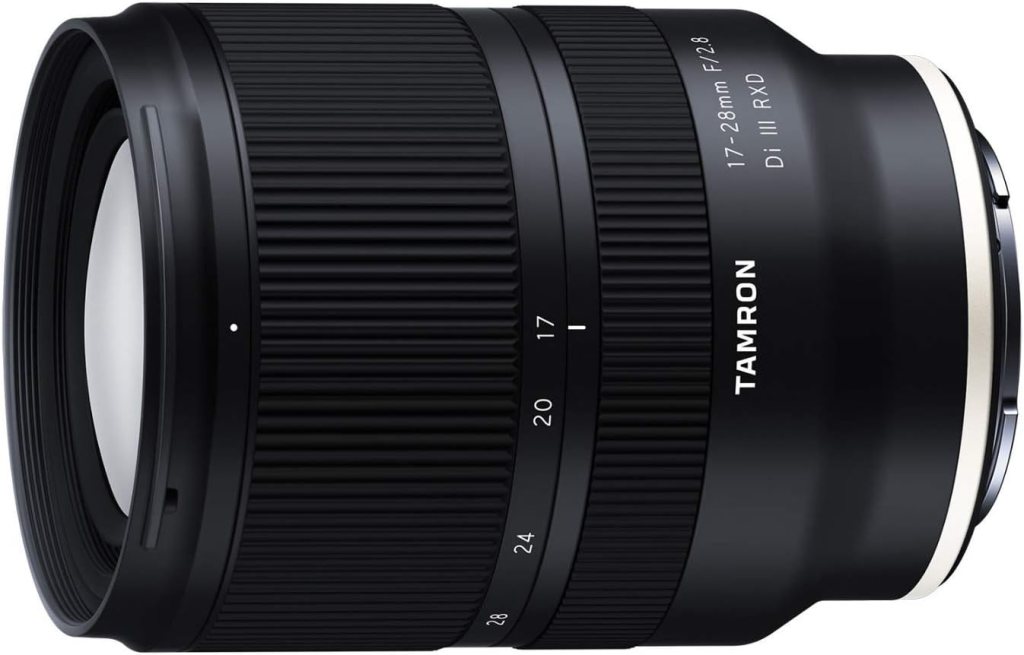
The Tamron 17-28mm f/2.8 Di III RXD wide-angle lens distinguishes itself through its lightweight build and dramatic perspectives. The 17-28mm zoom range is perfect for capturing expansive landscapes, group shots, or creative compositions. The constant f/2.8 aperture ensures reliable performance in varied lighting conditions, while its compact size makes it easy to carry for location shoots. This lens excels at enhancing the visual impact of architectural details and sweeping environmental portraits.
This wide-angle lens is all about drama. Its 17-28mm zoom range is perfect for capturing vast landscapes or architectural details. The constant f/2.8 aperture makes it reliable in low-light conditions, and its lightweight design is a bonus for on-the-go shoots. On location, it’s fantastic for showing off dramatic settings while keeping the model as the focal point. In the studio, it’s ideal for creative group shots or stylized compositions where you want the scene to tell as much of the story as the subject. Its versatility also makes it a favorite for fast-paced editorial spreads.
TTArtisan 50mm F1.4 Tilt
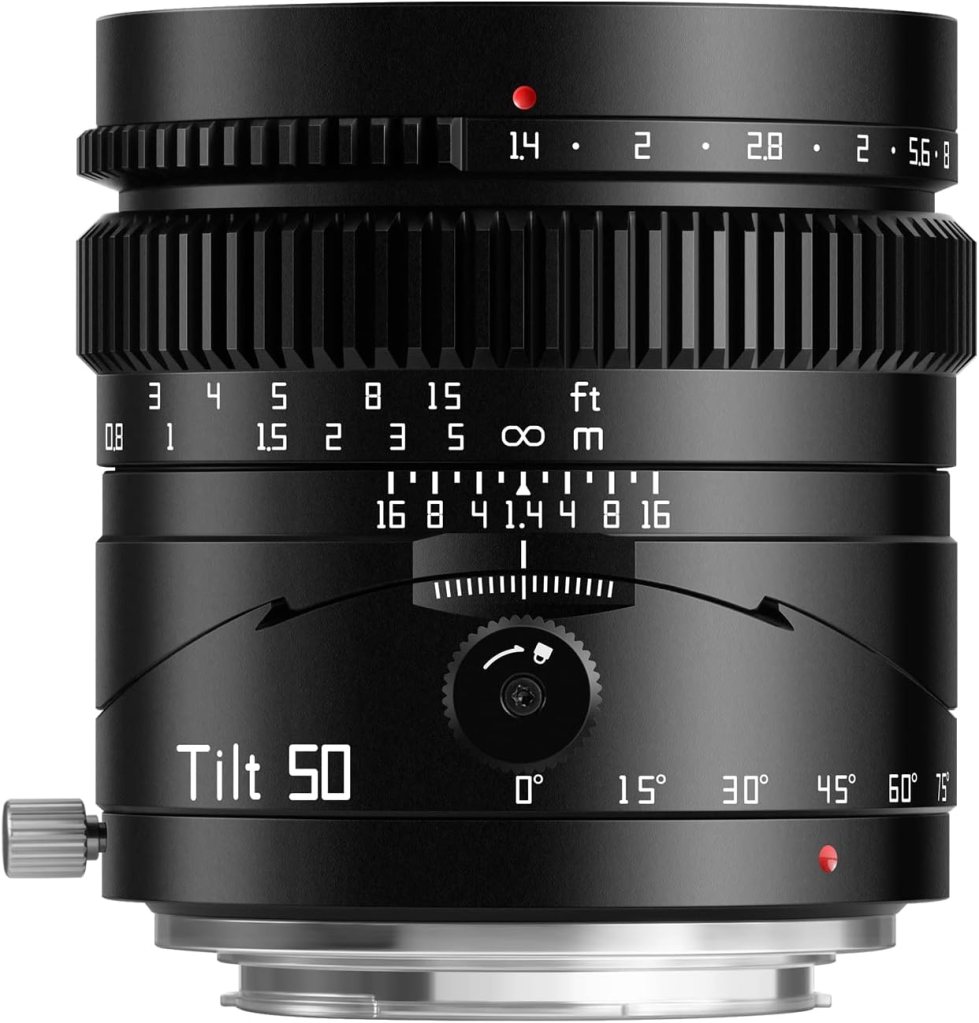
What makes the TTArtisan 50mm F1.4 Tilt unique is its creative flexibility. The tilt-shift functionality allows for dramatic focus effects and unconventional compositions, making it a standout lens for experimental and artistic photography. The f/1.4 aperture ensures excellent low-light performance, while the tilt capability offers precise control over focus planes. This lens is a go-to for creating surreal, gallery-worthy images or adding a distinctive edge to fashion editorials.
This lens is for when I want to push creative boundaries. Its tilt-shift capabilities allow for unique focus effects and unconventional compositions. The f/1.4 aperture ensures excellent performance in low light, making it great for experimental studio shoots where I’m looking to play with depth and perspective. On location, it creates one-of-a-kind images that feel like they belong in an art gallery. For fashion editorials, it’s the wildcard that brings a distinctive, artistic edge to the story.
Why Sony?
I started my photographic journey shooting with Canon, then Nikon, and I have nothing but respect for both. They gave me a solid foundation to grow as a photographer. However, once Sony’s mirrorless full-frame cameras became mainstream with the Sony a7R III, I made the switch. It wasn’t just about the smaller bodies or advanced tech, though those didn’t hurt! It was about having tools that felt like they were designed for the way I work and the stories I want to tell.
Sony’s sensors are the real MVPs here. Their dynamic range, sharpness, and low-light performance are industry-leading, making them a cornerstone of Sony’s cameras. These sensors don’t just power Sony cameras; they’re trusted by brands like Nikon, Panasonic, Fujifilm, and even mobile manufacturers like Apple, Google, and Samsung.
And then there’s the autofocus, best in class, with snappy subject tracking that feels almost psychic. That said, Sony’s UI and menu system still feel stuck in the past, making navigation a challenge even for seasoned users. So, while Sony sensors might power some of the stunning photos you love on Instagram, they occasionally come with the frustration of digging through clunky menus to get the perfect shot.
At the same time, I’m still inspired by what Fujifilm is doing with their APS-C format cameras and film simulations. Leica’s 35mm film cameras have a timeless appeal, and Hasselblad‘s legacy of quality and innovation continues to define what medium format photography can be.
In the end, every photographer has their own rhythm and preferences. To each their own. The right camera is simply the one that makes you want to go out and shoot.
Hasselblad Photography Kit
Hasselblad X2D II 100C
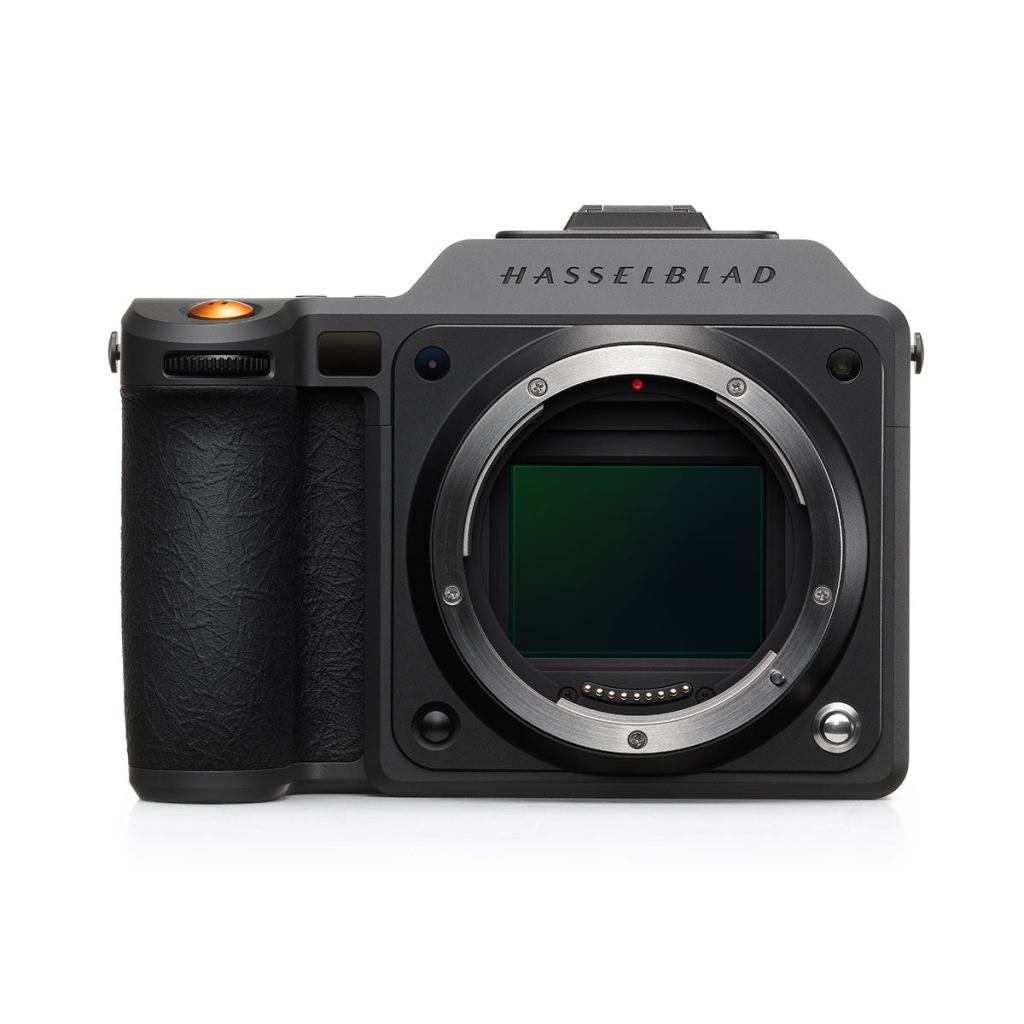
The Hasselblad X2D II 100C is the newest addition to my camera bag and it’s starting to change the way I see things. Knowing that a Hasselblad was the first camera to capture photos on the moon makes using one feel like joining a long line of dreamers and explorers. The X2D II continues that legacy with stunning color, remarkable depth, and a quiet, intentional way of shooting that encourages me to slow down and truly connect with each moment.
This camera feels made for fashion and editorial work. Its color depth and detail bring out every texture, tone, and fabric nuance, while its quiet shooting style helps me stay fully present with the subject. It turns each session into a slower, more connected creative experience.
Hasselblad XCD 2,5/55V

The XCD 2,5/55V has quickly become one of my favorite lenses to use. On a medium format sensor, it’s about the same as a 44mm lens on full frame, closely matching how we naturally see the world. It’s light, compact, and easy to keep on the camera all day, yet it delivers that unmistakable Hasselblad clarity and color depth. The balance between sharpness and softness feels effortless, giving every image a natural warmth and depth that never feels forced.
This lens feels perfectly in tune with fashion and editorial work. Its perspective mirrors how I see a story unfold, letting fabric textures, skin tones, and light flow together naturally. The falloff is beautifully gentle, keeping focus where it matters while preserving an honest sense of place and emotion.
Occasional Gear
While my Sony and Hasselblad kits power most of my shoots, there are times when bringing a little extra can make all the difference. These pieces of gear don’t always come along for the ride, but when they do, they help capture moments in ways that feel unexpected and uniquely memorable.
Sony a7R III: My trusted second body, the one I used to shoot The Melbourne Portraits Project, is always by my side when switching lenses isn’t an option or when I need the peace of mind of a backup. It’s the kind of reliable partner that’s always ready when it matters most.
Instax Mini Evo Instant Film Camera: There’s something magical about holding a photo in your hands seconds after it’s taken. Whether it’s creating a keepsake for a model or experimenting with instant prints as part of the creative process, this little camera brings joy to any set.
DJI Osmo Pocket 3: Small but mighty, it’s perfect for capturing the pulse of a runway or the quiet, candid moments behind the scenes. It allows me to tell a fuller story of the day without ever feeling intrusive.
Wrapping Up Gear Talk
At the end of the day, my camera bag isn’t just gear. It’s the foundation for how I approach every project. Each camera, each lens feels like a unique tool, helping me translate ideas into visuals that tell a story. Learning how to bring out the best in each lens is something I’m still working on, and that’s what keeps it exciting.
Whether it’s the sharp precision of a prime lens or the adaptability of a zoom, each piece of equipment is part of a larger creative puzzle. Photography is a constant process of experimenting, refining, and pushing boundaries, and that journey is what makes it so fulfilling. Here’s to capturing stories that matter and embracing the unexpected moments along the way.
© Paul Tocatlian. All Rights Reserved.
 Kisau Photography