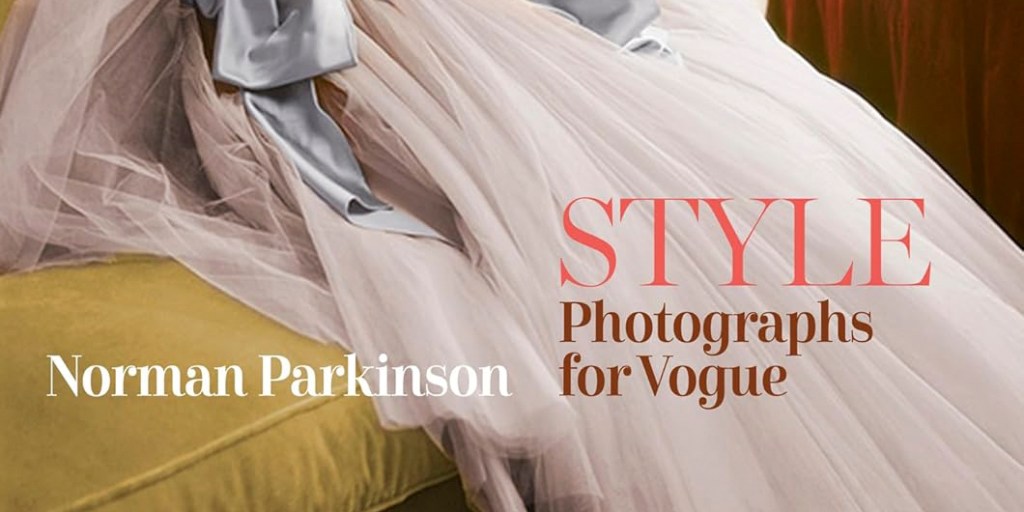
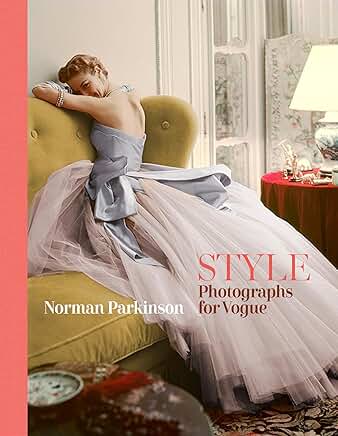
I recently had the pleasure of reading Style: Photographs for Vogue, a captivating exploration of the legendary Norman Parkinson’s life and work. It’s easily one of the most compelling photography books I’ve come across. This beautifully curated collection offers an intimate glimpse into the career of one of the 20th century’s most iconic photographers. For anyone passionate about photography and fashion, it’s a true treasure trove of insights into Parkinson’s groundbreaking techniques and unmatched artistic vision. From the very first page, I was immersed in his extraordinary world. A realm of elegance, innovation, and boundless creativity.
The Origins of a Visionary
What really struck me in the early chapters was how vividly the book painted Parkinson’s beginnings. I loved learning about his apprenticeship at Speaight & Sons in Bond Street. The story about his father negotiating the cost of the apprenticeship, and how Parkinson got in at a discount, made me smile. It was fascinating to see how those early experiences laid the foundation for his career. The partnership he formed with Norman Kibblewhite to start the “Norman Parkinson” studio was another highlight. Reading about their studio in Mayfair, right in the heart of London’s society scene, really brought that era to life for me.
The connection to Parkinson’s Italian heritage through his mother added such an interesting dimension. I had no idea he was a descendant of Luigi Lablache, a famous opera singer and music teacher to Queen Victoria. It’s details like this that make the book feel so personal and engaging.
A Journey Through Vogue’s Lens
As someone who appreciates history, I loved how the book delved into Parkinson’s early work with magazines like The Tatler and The Sketch. The way he transitioned to high fashion through a chance discovery by an art editor at Harper’s Bazaar felt like such a pivotal moment. It was amazing to read about how his travel photographs caught the editor’s eye and led to his career with Vogue. These stories made me feel like I was following Parkinson’s journey step by step.
The chapters on his work during World War II were especially compelling. The book does an incredible job of showing how his photography not only showcased fashion but also captured the resilience and spirit of wartime Britain. The idea of models working in intelligence and other war efforts while posing for Parkinson is such a fascinating piece of history.
The Art of Storytelling

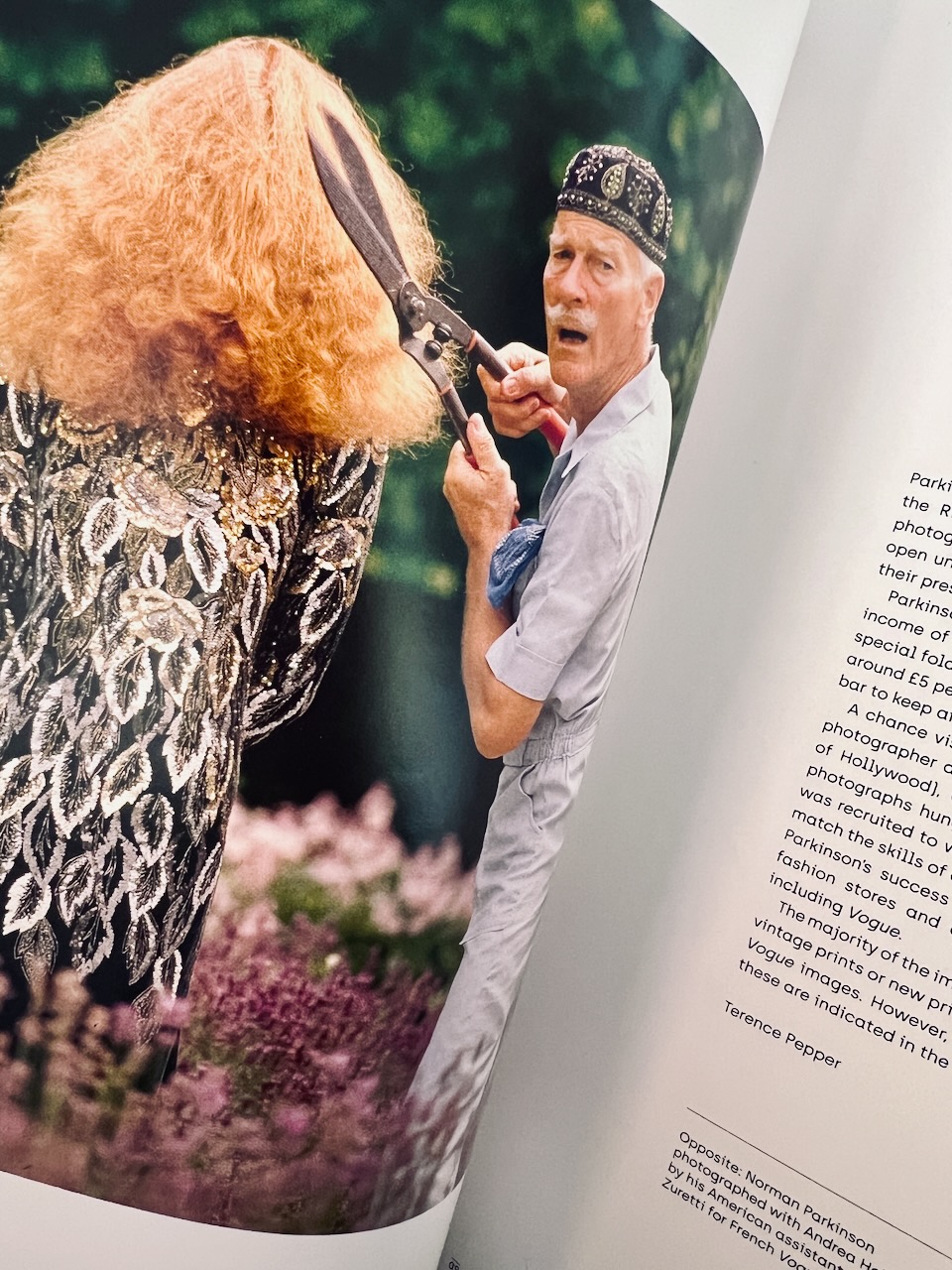

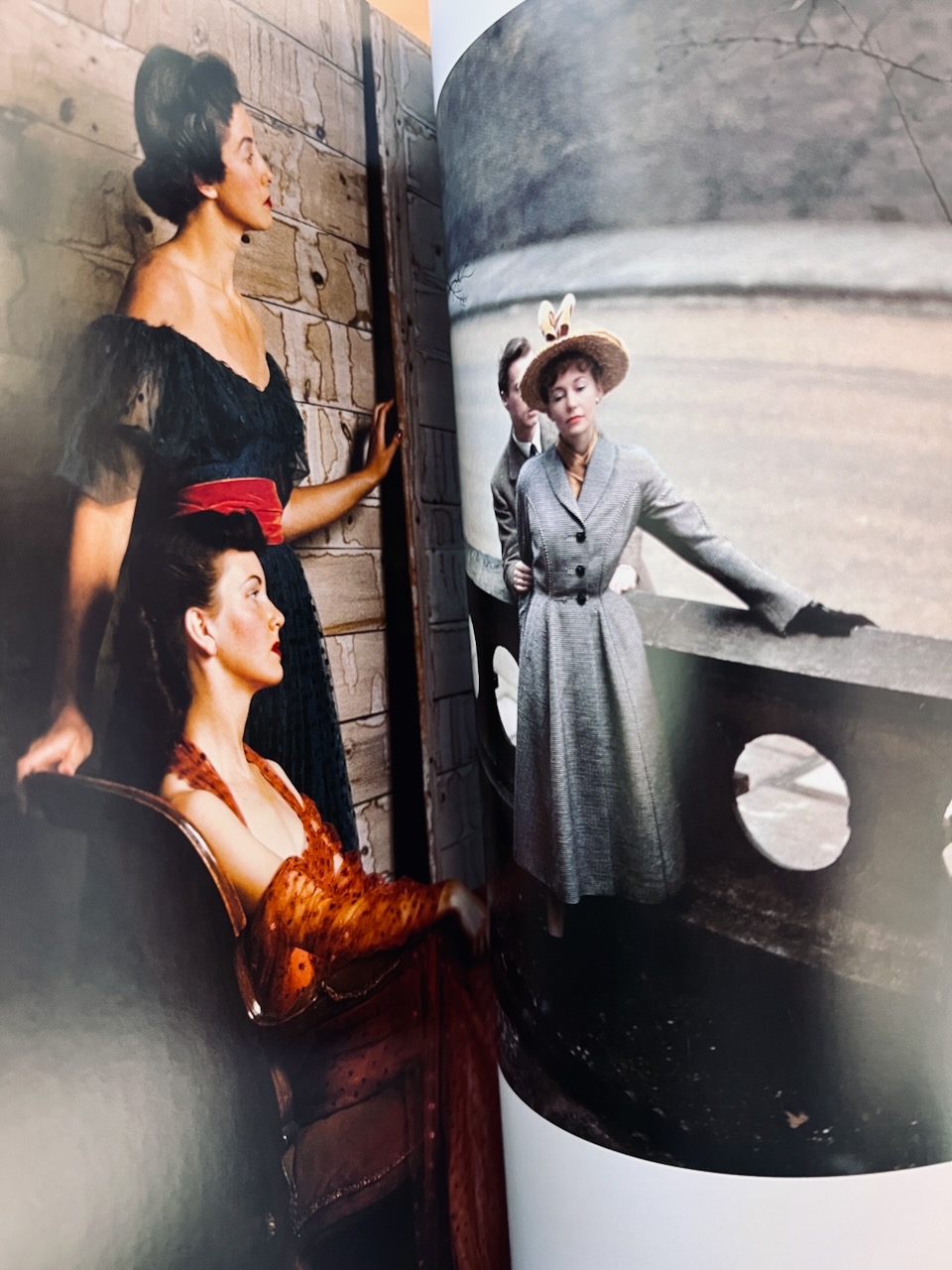

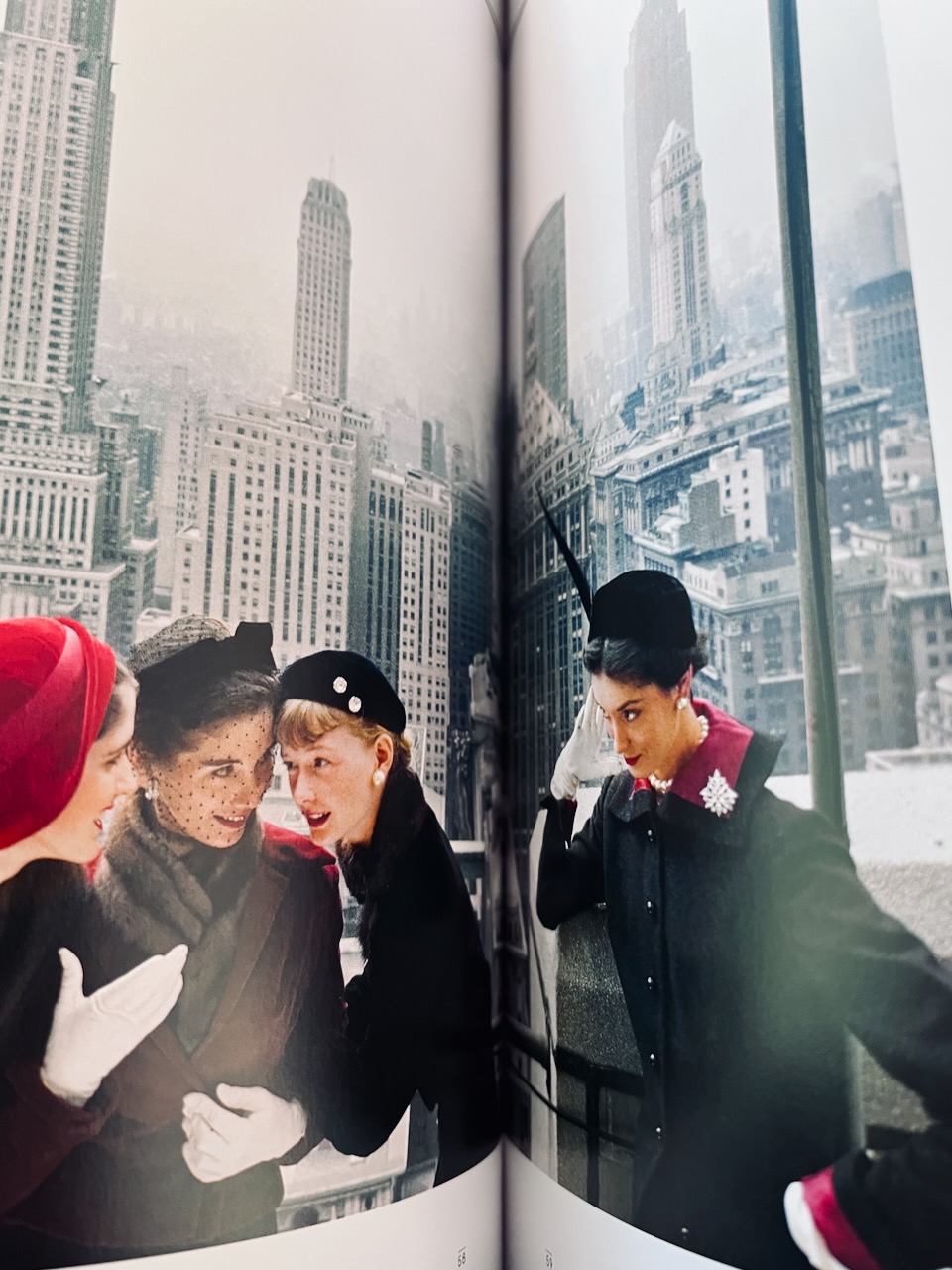
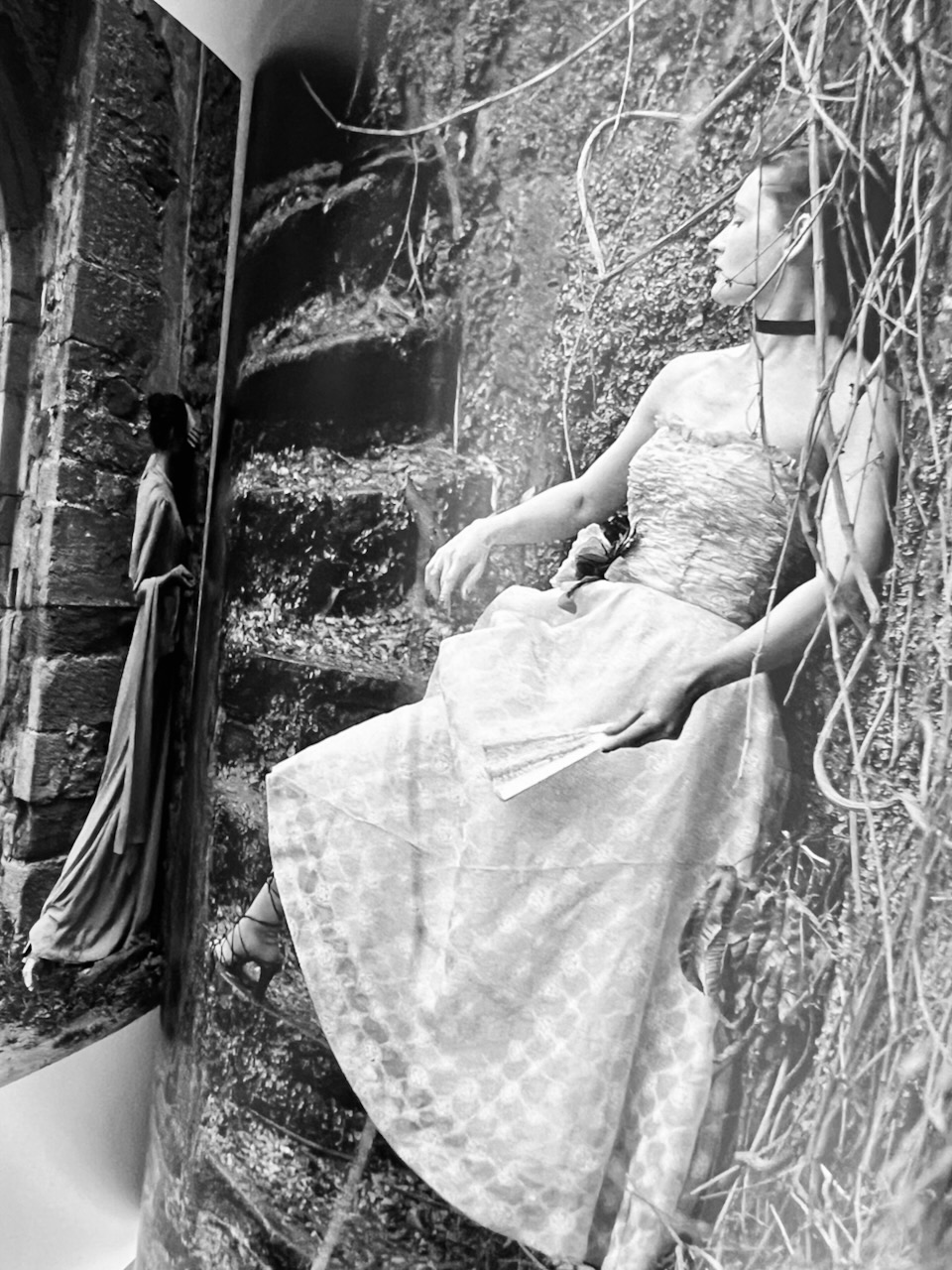
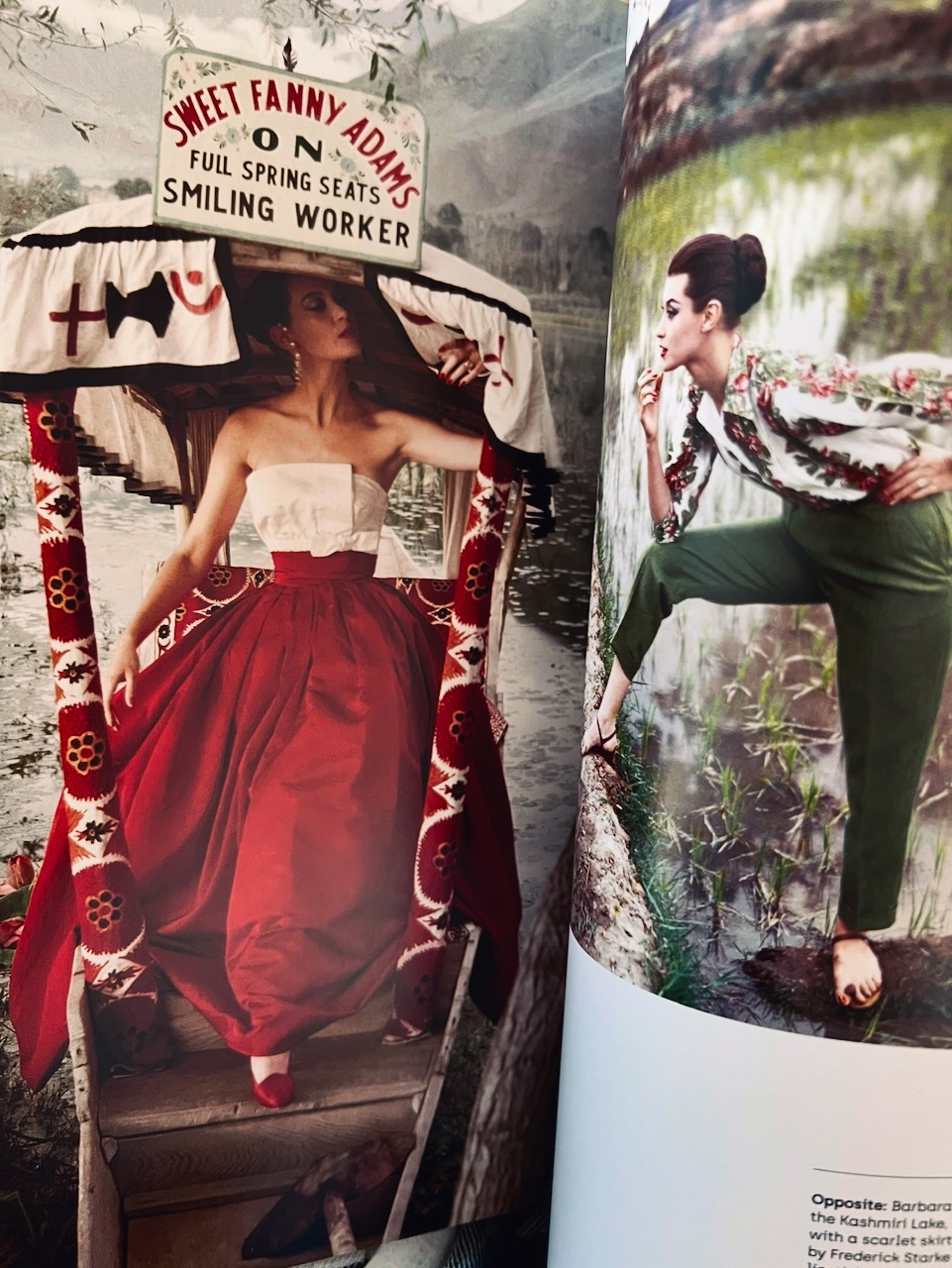
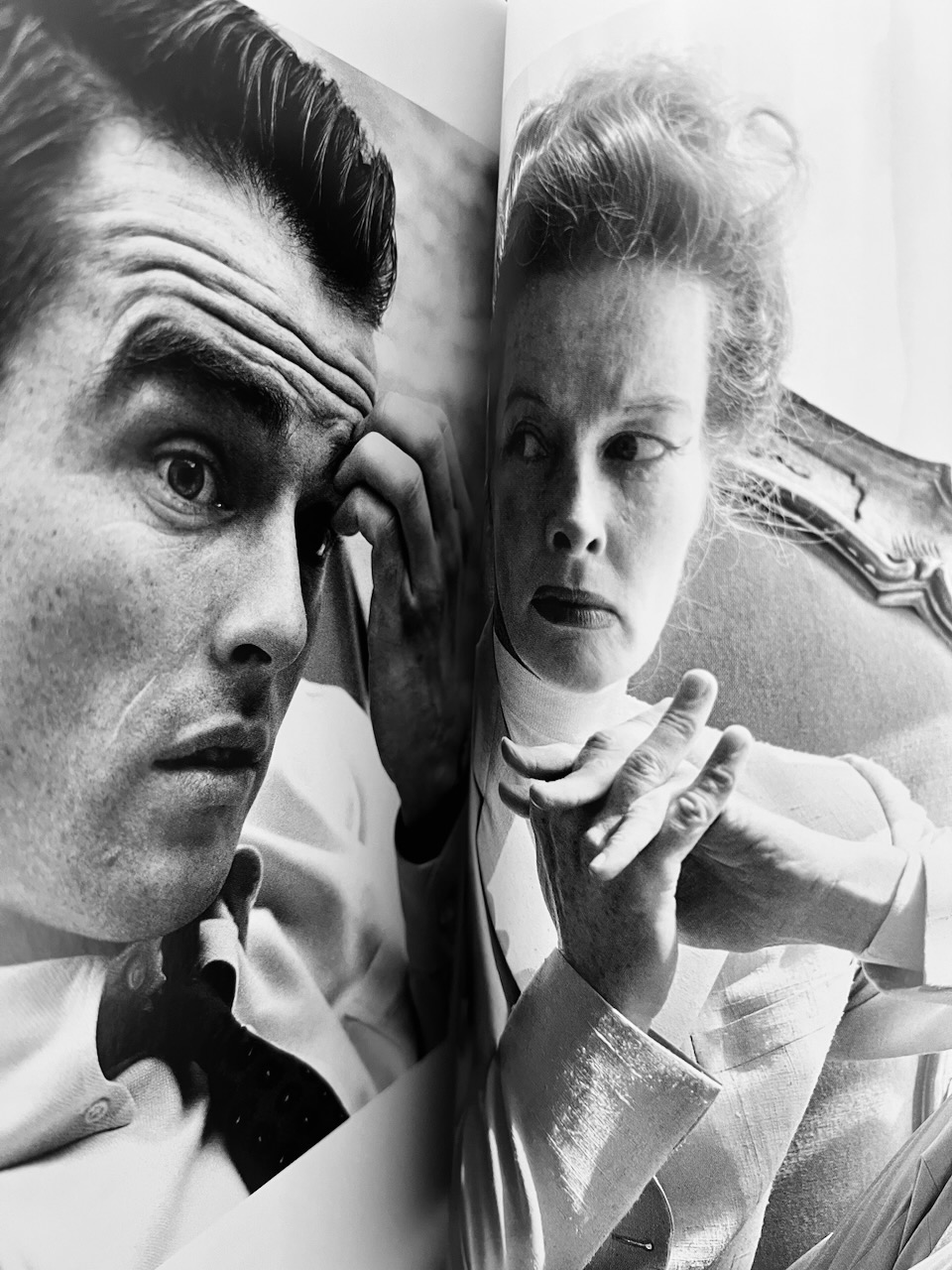
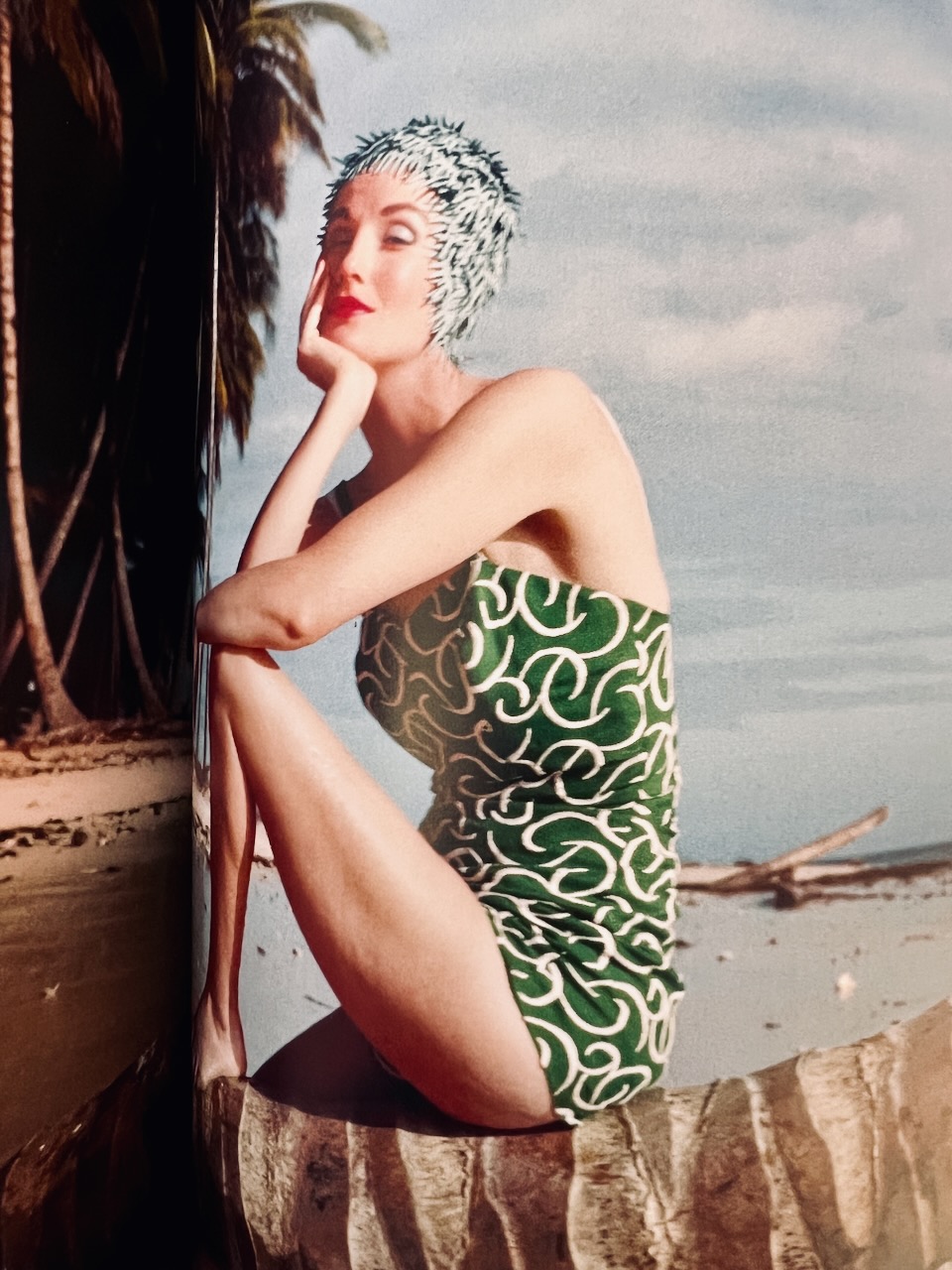
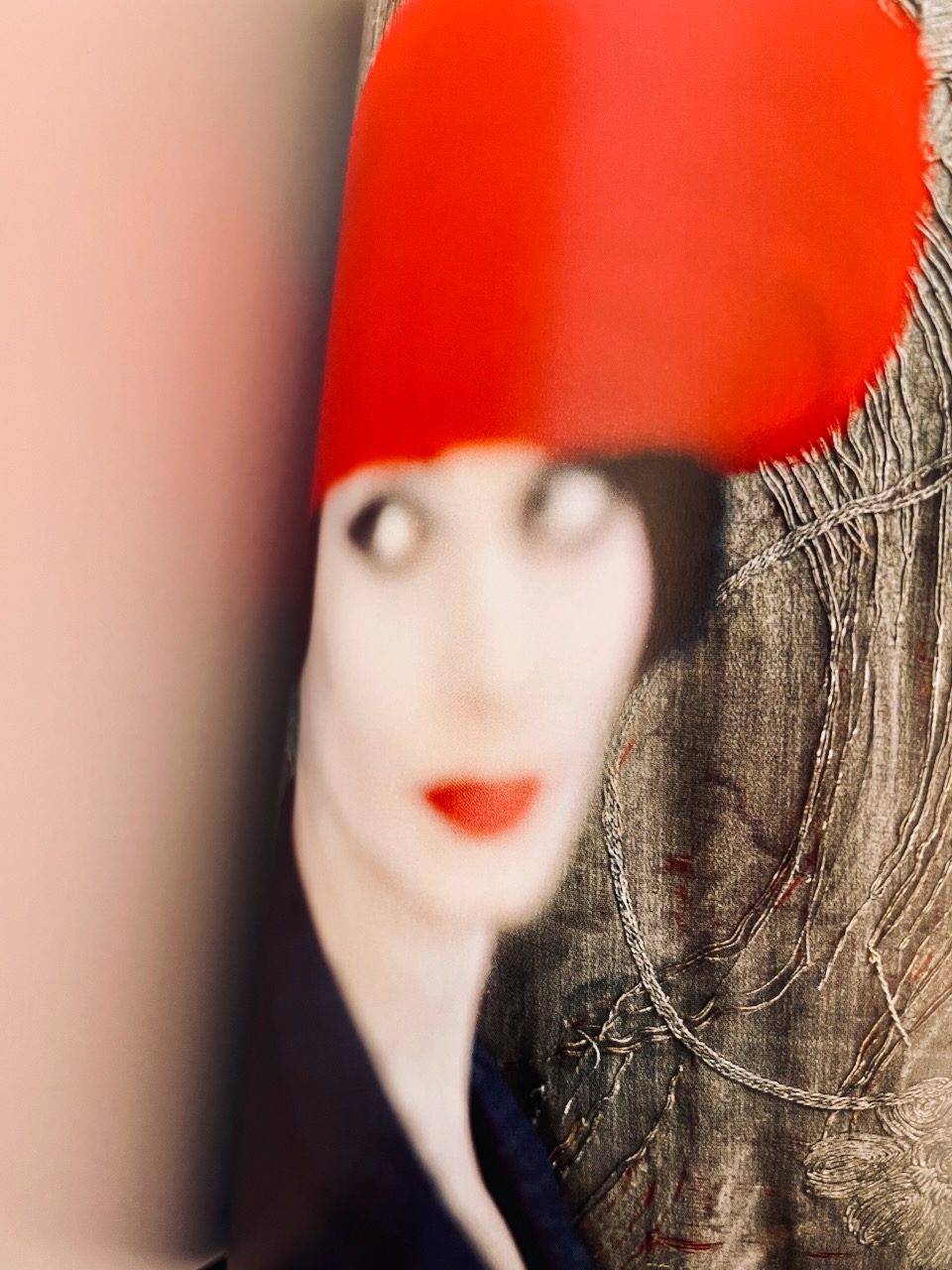

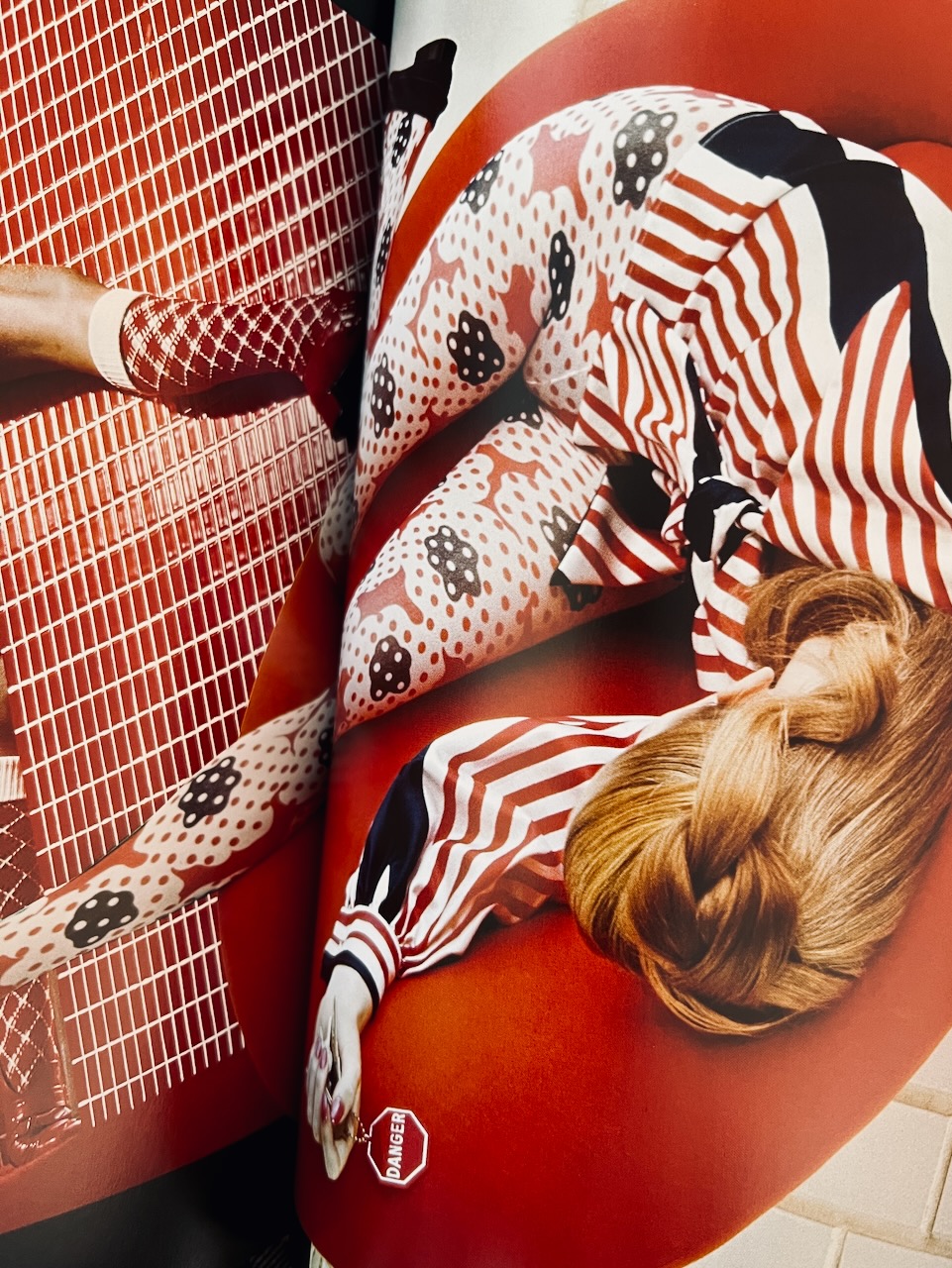

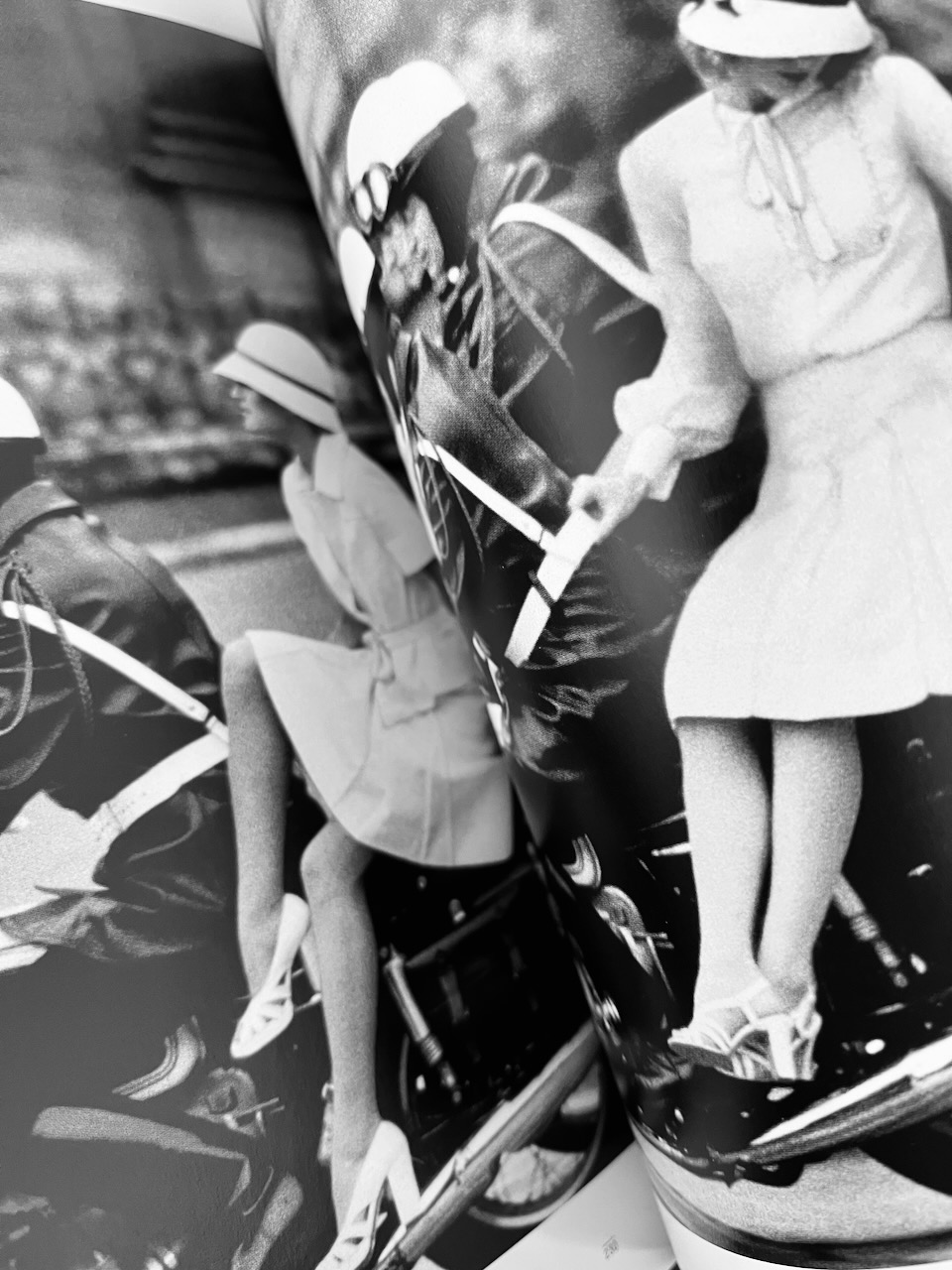
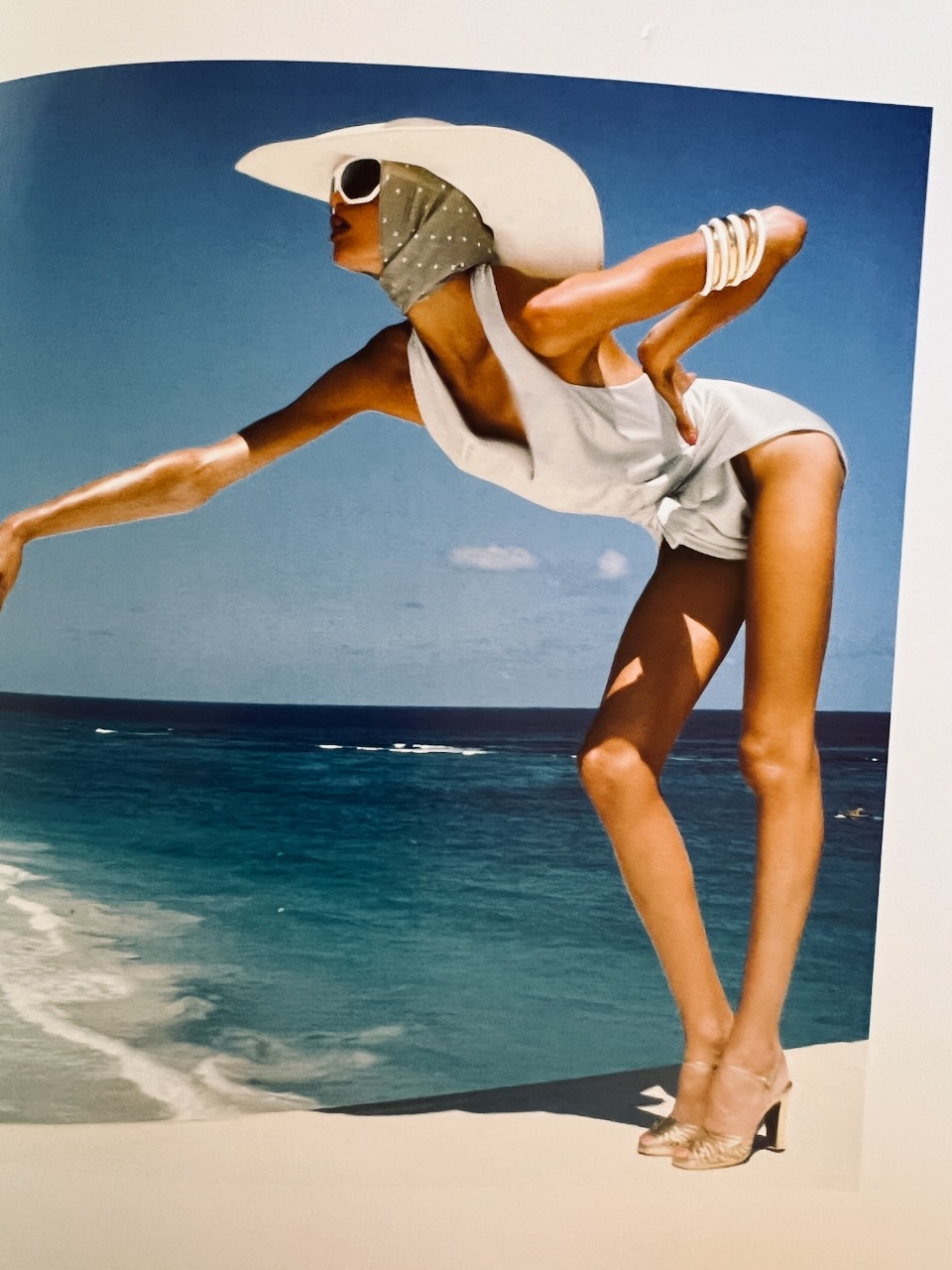

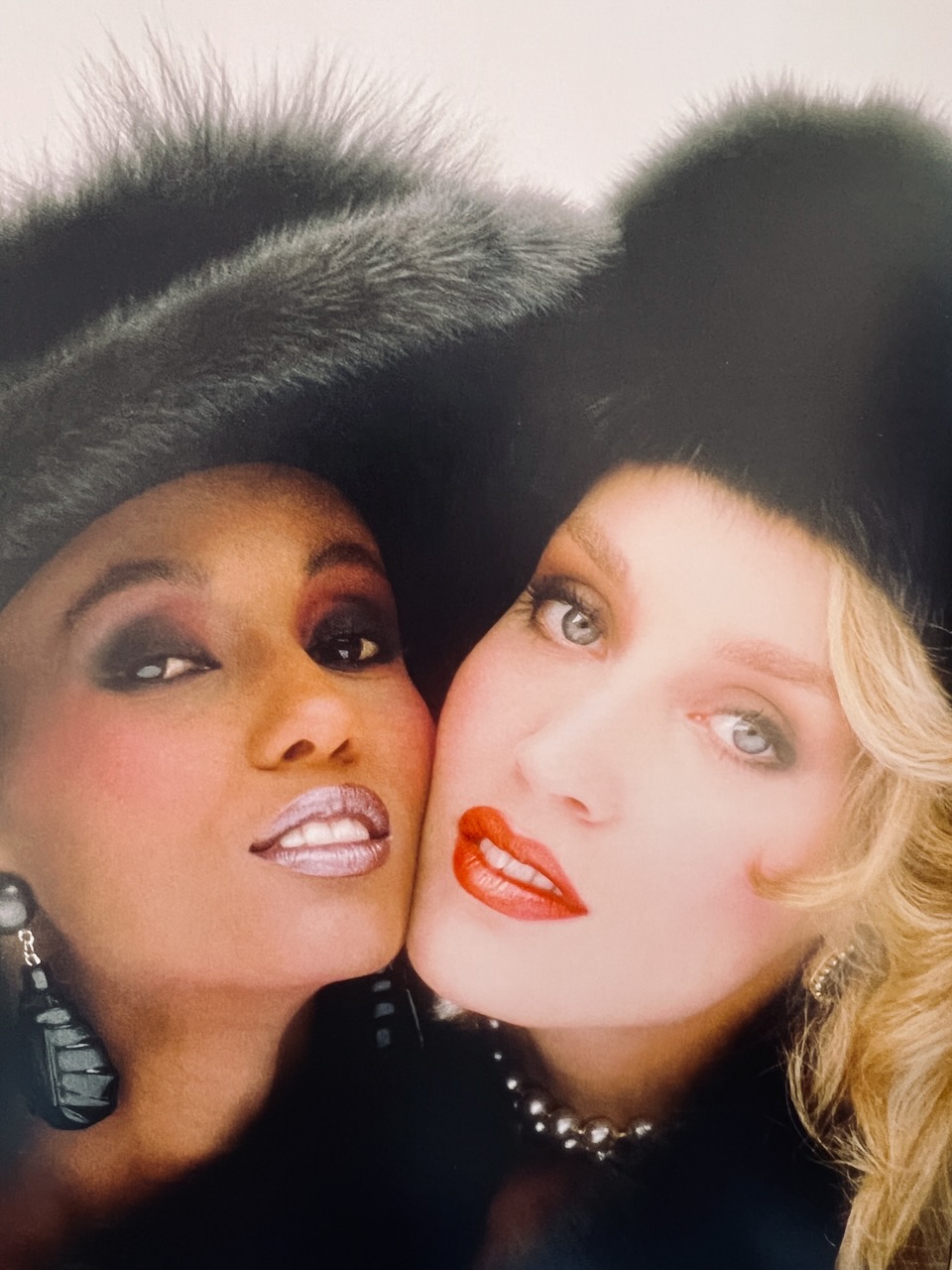
One of the things I found most inspiring was Parkinson’s ability to tell stories through his images. The 1947 Vogue spread that combined fashion with European travel was such a brilliant example of this. The book’s description of his trip to New York in 1949, and how it expanded his influence, was another standout moment.
What stood out most was Parkinson’s partnership with his wife, Wenda Rogerson. Their creative collaboration was a beautiful blend of talent and vision, with Wenda serving not only as his muse but also as a key contributor to many of his iconic images. Wenda played an integral role in conceptualizing the themes, styling the models, and even influencing the mood and tone of the images. Her artistic insight and impeccable taste were vital in elevating Parkinson’s work to new heights. The book describes how she helped create some of the most memorable shoots, blending her intuitive understanding of aesthetics with Parkinson’s technical brilliance. It’s clear that their collaboration was a cornerstone of his success, and it was inspiring to see her contributions so thoughtfully acknowledged.
The way the book highlights Parkinson’s relationships with leading models like Barbara Goalen and Anne Gunning is also fantastic. It’s clear how much he valued the artistry and individuality of the people he worked with, including his wife.
Evolution and Innovation
The book’s coverage of Parkinson’s 1960s work at Queen magazine and his bold experimentation with color photography was fascinating. I loved how it showed his willingness to adapt to the times while staying true to his unique vision. His quieter life in Tobago during this period added a beautiful contrast, and it’s clear how much that setting influenced his work. Wenda played a critical role here too, bringing her sharp eye and creative instincts to shoots that incorporated Tobago’s stunning landscapes. Together, they transformed the island into a backdrop for some of Parkinson’s most innovative photography.
How This Book Influenced Me
Reading this book didn’t just give me a deeper appreciation for Parkinson’s work. It also profoundly influenced my own approach to photography. The way Parkinson used storytelling, natural light, and unconventional angles has inspired me to experiment more and think differently about my compositions. His ability to connect with his subjects and bring out their personalities is something I aspire to emulate in my work. Wenda’s involvement, especially in creating the atmosphere and styling for his shoots, reminded me of the importance of collaboration in producing truly exceptional work. This book reminded me of the endless possibilities in photography and reignited my passion for the craft.
A Timeless Legacy
The final chapters were a beautiful tribute to Parkinson’s later years. His collaborations with Town & Country and his ongoing relationship with Vogue in France and Italy were presented with such care. I found myself inspired by his technical innovations and how he captured the personalities of his subjects, from Princess Anne to Iman. Wenda’s role during these years remained just as significant, as she continued to partner with him creatively and personally.
The book’s use of original prints and vintage negatives adds so much authenticity. Every image felt like a window into a bygone era, yet they still feel so relevant and fresh today. By the end, I felt like I not only knew more about Parkinson’s work but also had a deeper appreciation for the artistry and creativity he brought to the world of fashion photography.
Why I Loved This Book
If you’re passionate about photography, fashion, or history, this book is a must-read. It’s a rich and engaging story about a man who changed the way we see the world through a camera lens. For me, this book was a source of inspiration that continues to influence my photography. I walked away with a renewed sense of purpose and a deep respect for both Norman Parkinson and Wenda Rogerson’s incredible legacy. I can’t recommend this book enough.
About Norman Parkinson
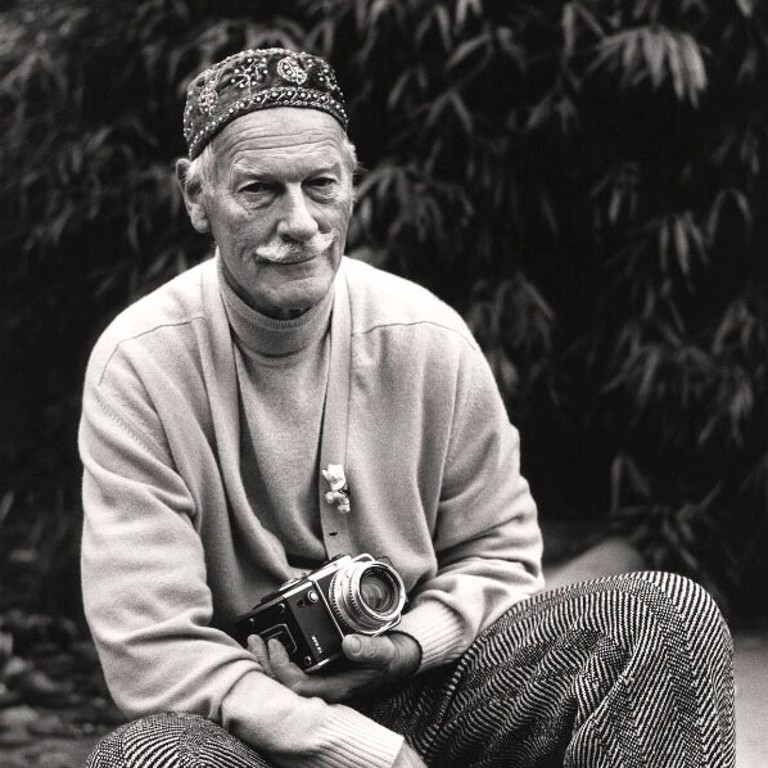
Norman Parkinson (1913–1990) was more than a photographer. He was a trailblazer who reshaped fashion and portrait photography, bringing it to life with energy, humor, and movement. His images broke away from stiff formality, introducing a vibrant and dynamic storytelling approach that continues to captivate audiences worldwide. By capturing more than just clothing or faces, Parkinson redefined the art of photography and made it deeply personal and engaging.
Early Life and Career Beginnings
Born in London on April 21, 1913, as Ronald William Parkinson Smith, he later adopted the name Norman Parkinson to begin his transformative journey in photography. As a young apprentice at Speaight and Sons, a prestigious portrait studio, he developed an eye for detail and mastered the art of capturing people at their finest. The apprenticeship provided him with a foundation in technical skills and creativity, which set him apart from his peers. By the age of 21, he had opened his own studio, beginning a career that would influence generations to come.
Parkinson’s early years were marked by experimentation and a desire to challenge the conventions of traditional portraiture. He believed that photography should reflect the personality of the subject and the spirit of the moment, an approach that soon became his trademark.
Redefining Fashion Photography
Parkinson’s big break came in the 1930s when he began working for Harper’s Bazaar. Over the years, he became a sought-after contributor to Vogue, Queen, and Town & Country. His work stood out because it felt alive, with models posed in natural, outdoor settings instead of staged studio backdrops. He used natural light to create fresh, spontaneous photos that exuded charm and elegance. His ability to make models appear relaxed and approachable helped redefine the standards of fashion photography.
His iconic style often involved storytelling. Every photograph told a tale, whether it was a model walking confidently through a bustling city or lounging by the seaside. These images not only showcased fashion but also reflected the culture and energy of the times, setting a new standard for the industry.
Elevating the Supermodel Era
Parkinson’s contributions to fashion photography were pivotal in creating the concept of the supermodel. He became the preferred photographer for iconic figures such as Audrey Hepburn, The Beatles, Twiggy, David Bowie, and Grace Coddington. His portraits conveyed their personalities and the unique qualities that made them cultural icons.
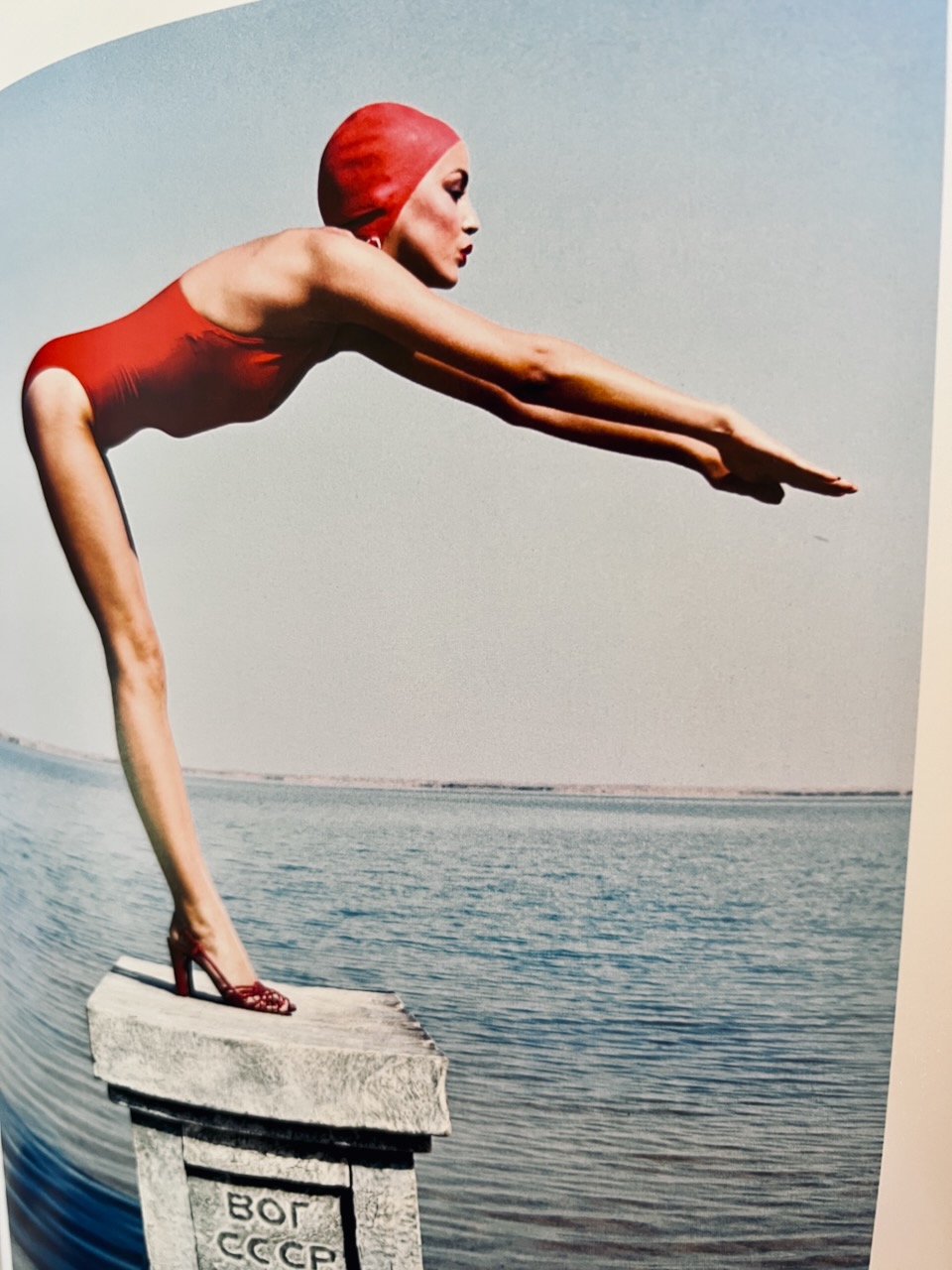
One of his most famous images features Jerry Hall, poised in a red swimsuit on the edge of a diving platform in Russia in 1975. This photograph exemplifies Parkinson’s ability to combine elegance with a touch of wit and drama, creating unforgettable moments that transcended the fashion world.
A Pioneer in Innovation
Parkinson was always ahead of his time, constantly innovating to push the boundaries of photography. He was one of the first to embrace color photography, which added vibrancy and depth to his already striking compositions. His use of bold, rich colors transformed his images, giving them a modern edge that appealed to audiences worldwide.
His adventurous spirit led him to travel extensively, capturing photographs in exotic locations. From the bustling streets of New York to the serene landscapes of Africa, Parkinson used his surroundings to enhance the narrative of his work. These grand, cinematic images redefined what fashion photography could achieve and left a lasting impact on the industry.
Capturing Royal Moments
In 1975, Parkinson was appointed the official court photographer for the British monarchy, succeeding the legendary Cecil Beaton. His portraits of Queen Elizabeth II, Princess Margaret, and other members of the royal family offered a more personal and relaxed view of their lives. These images combined regal elegance with a sense of intimacy, making them timeless pieces of history. His ability to capture the human side of royalty further solidified his reputation as one of the most versatile and talented photographers of his era.
Inspiring Generations
Parkinson was also a mentor and a visionary who inspired countless others. He worked closely with emerging fashion icons like Grace Coddington, helping to shape their creative journeys. His influence extended beyond his photographs, as he encouraged others to think differently about what photography could achieve.
His work appeared in major international publications, cementing his reputation as a household name. Through collaborations with leading designers, models, and stylists, Parkinson’s images became synonymous with elegance, innovation, and creativity.
Recognition and Lasting Legacy
Throughout his career, Parkinson received numerous accolades, including a CBE in 1981 and an Honorary Fellowship from the Royal Photographic Society. A retrospective at the National Portrait Gallery in London celebrated his immense contributions to the art of photography, showcasing the depth and breadth of his work.
Despite his fame, much of Parkinson’s work remains unseen. His archive of over 500,000 images offers a treasure trove of inspiration for photography enthusiasts and historians alike. These photographs capture not only fashion but also the evolving culture and spirit of the 20th century.
Parkinson passed away on February 15, 1990, while on assignment in Singapore for Town & Country. His dedication to his craft was unwavering, and he continued to create remarkable work until the very end.
A Timeless Influence
Norman Parkinson’s photography goes beyond fashion and portraits. It embodies storytelling, creativity, and the essence of a moment. His innovative approach and adventurous spirit have left a legacy that continues to inspire new generations of photographers and artists. His work proves that great art not only reflects its time but also transcends it, remaining relevant and inspiring for years to come.
© Paul Tocatlian. All Rights Reserved.
 Kisau Photography