
I still remember the first time I saw a vintage fashion photograph. It felt like a magical portal to another era, where glamour, creativity, and bold innovation ruled the day. As a fashion and editorial photographer with a deep passion for history, art, and all things fashion, I’ve been researching how photography transformed the fashion industry. In this article, I invite you on a fun and personal journey through time. From the era before cameras to today’s interactive, sustainable innovations. Let’s dive into the evolution of fashion photography, exploring key moments, influential photographers, and the visionary designers who helped shape each decade.
- Before Photography: Fashion in a World of Art
- The 1910s: The Dawn of Fashion Photography
- The 1920s: Modernism, Elegance, and the Rise of Fashion Photography
- The 1930s: Crafting Glamour and Telling Visual Stories
- The 1940s: Beauty in Simplicity and Resilience
- The 1950s: The Golden Age of Fashion Photography
- The 1960s: A Revolution in Fashion and Expression
- The 1970s: Bold Experimentation and Iconic Imagery
- The 1980s: Opulence, Glamour, and Celebrity Culture
- The 1990s: The Digital Dawn of Fashion Photography
- The 2000s: Globalization and Multimedia Innovation
- The 2010s: A Digital Renaissance of Authenticity and Inclusivity
- The 2020s: Interactive, Sustainable, and Forward-Thinking
- Where Fashion Goes Next
Before Photography: Fashion in a World of Art
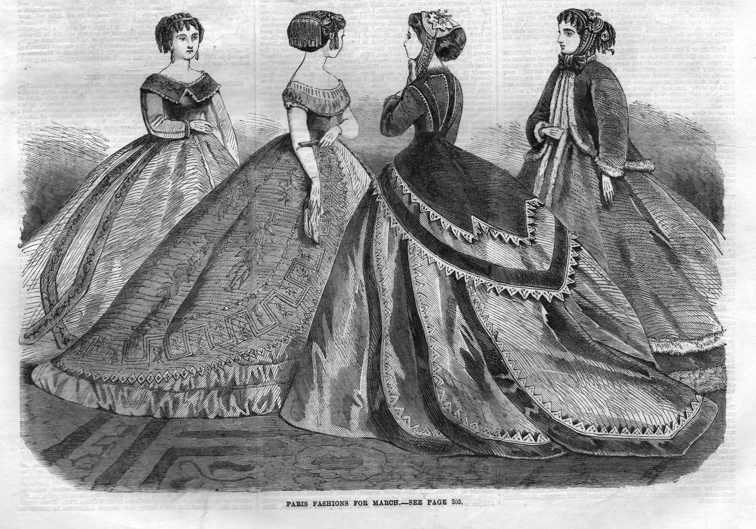
Before cameras could capture the world of fashion, style was brought to life through detailed illustrations, engravings, and paintings. In the 18th and 19th centuries, fashion was the realm of the elite. Artists and engravers meticulously recorded the lavish costumes of aristocrats and royalty, creating exquisite fashion plates that served as the original trend reports. Publications like The Illustrated London News spread these visual ideas far and wide, setting the stage for a visual language that would later be redefined by photography.
Fashion pioneers such as Rose Bertin, the ingenious dressmaker for Marie Antoinette, and Charles Frederick Worth, often hailed as the father of haute couture, set high standards for elegance and innovation. Their beautifully crafted illustrations provided a window into a world of extravagance and sophistication. For more fascinating insights, check out the Metropolitan Museum of Art’s fashion history and the Victoria and Albert Museum’s history of fashion.
The 1910s: The Dawn of Fashion Photography

The early 1910s marked the beginning of a visual revolution in fashion. Pioneering photographers like Edward Steichen began experimenting with innovative techniques, collaborating with daring designers like Paul Poiret, whose unconventional styles broke all the traditional rules. Steichen’s early images, along with contributions from Baron Adolph de Meyer, captured the spirit of the era and set new visual benchmarks that still inspire modern photography.
These groundbreaking photographs were featured in the first issues of iconic magazines such as Vogue and Harper’s Bazaar. The merging of art with advertising through these publications revolutionized how fashion was presented to the public, setting the foundation for future generations of fashion photography.
The 1920s: Modernism, Elegance, and the Rise of Fashion Photography

Ah, the Roaring Twenties, a time of jazz, flappers, and a dazzling new sense of modernity! During this era, fashion photography truly found its groove. Photographers like Baron Adolph de Meyer and Edward Steichen captured the modern spirit with sophisticated lighting, soft-focus techniques, and balanced compositions that exuded refined elegance.
The Art Deco movement, with its geometric patterns and streamlined designs, heavily influenced the visual style of the 1920s. At the same time, legendary designers such as Coco Chanel and Madeleine Vionnet revolutionized women’s fashion with their innovative approaches. Chanel’s timeless simplicity and Vionnet’s mastery of draping complemented the new photographic aesthetics perfectly.
The 1930s: Crafting Glamour and Telling Visual Stories
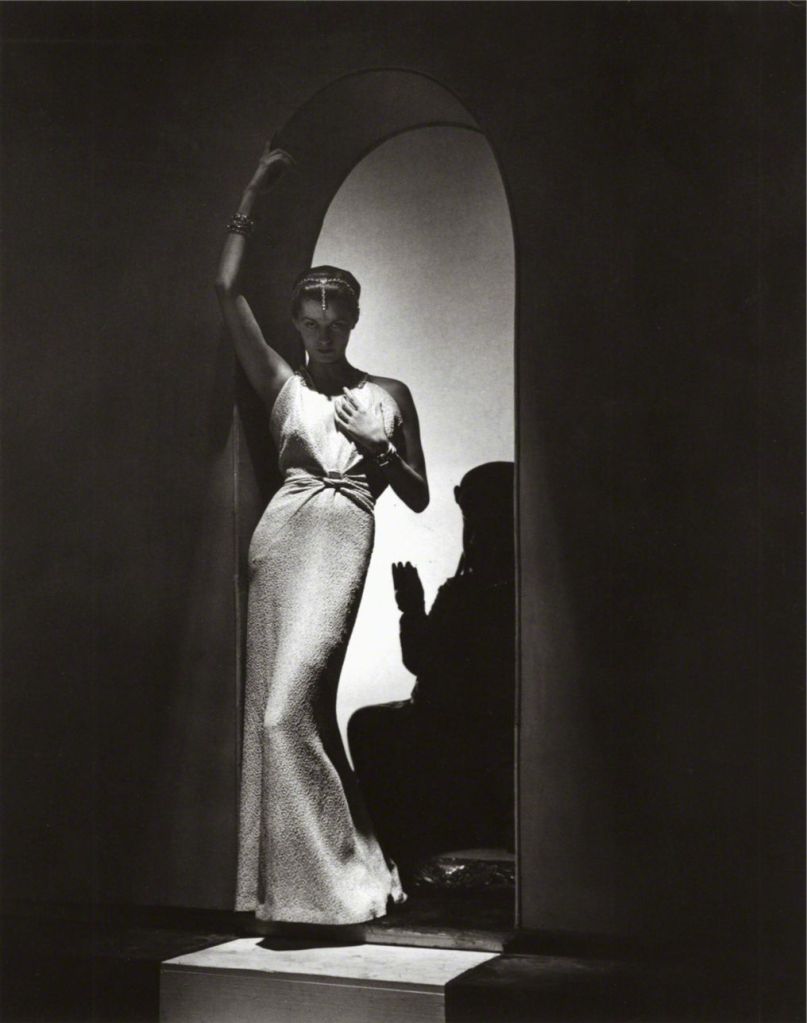
By the 1930s, fashion photography had evolved into a powerful medium for storytelling. Visionaries like Horst P. Horst and a young Cecil Beaton brought cinematic techniques into the studio. Using dramatic lighting and meticulously designed sets, they created images that were not just visually stunning but also rich in narrative.
These photographs offered a welcome escape during challenging times, inviting viewers into a world of glamour and fantasy. At the same time, designers such as Elsa Schiaparelli pushed creative boundaries with surreal and imaginative designs that perfectly resonated with the era’s mood.
The 1940s: Beauty in Simplicity and Resilience
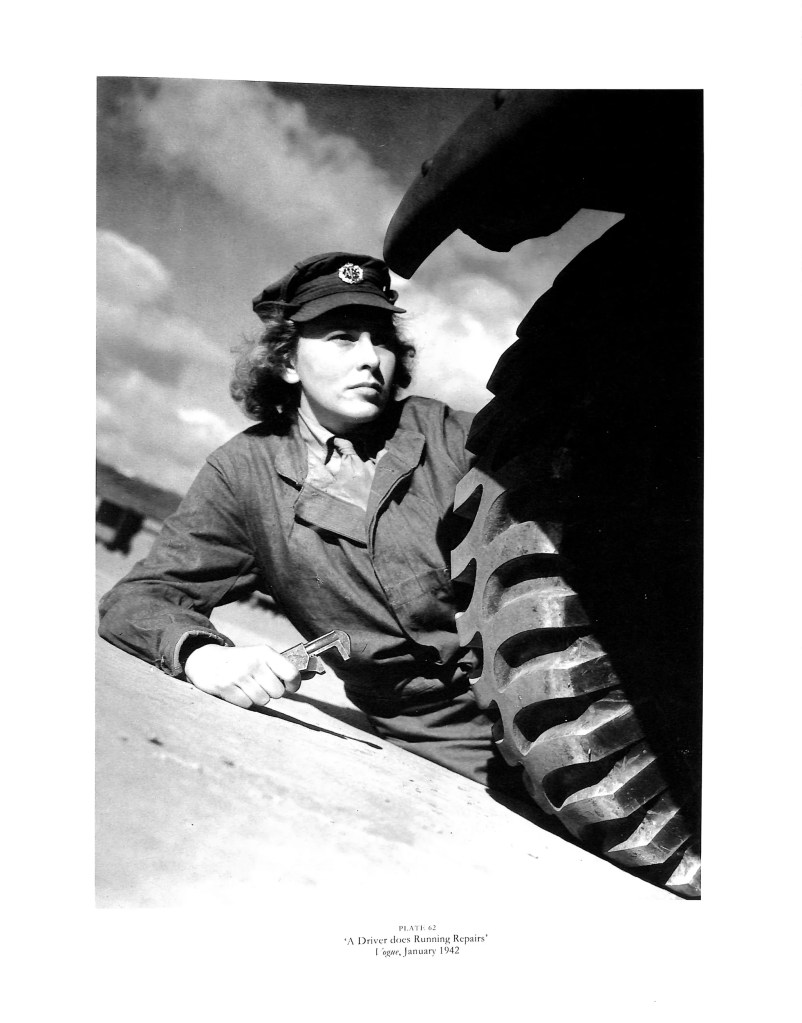
The 1940s were a time of challenge and change. With the world at war, both the fashion and photography industries had to adapt. Photographers like Norman Parkinson and Irving Penn turned limitations into art by embracing natural lighting and minimalist setups. Their images celebrated a quiet, understated elegance that resonated deeply during these turbulent times.
At the same time, innovative designers such as Christian Dior emerged with his revolutionary “New Look,” reintroducing glamour and femininity to a world in recovery. The resilient beauty captured in these photographs, widely featured in Life magazine and major newspapers, proved that even in hardship, style could shine through.
The 1950s: The Golden Age of Fashion Photography
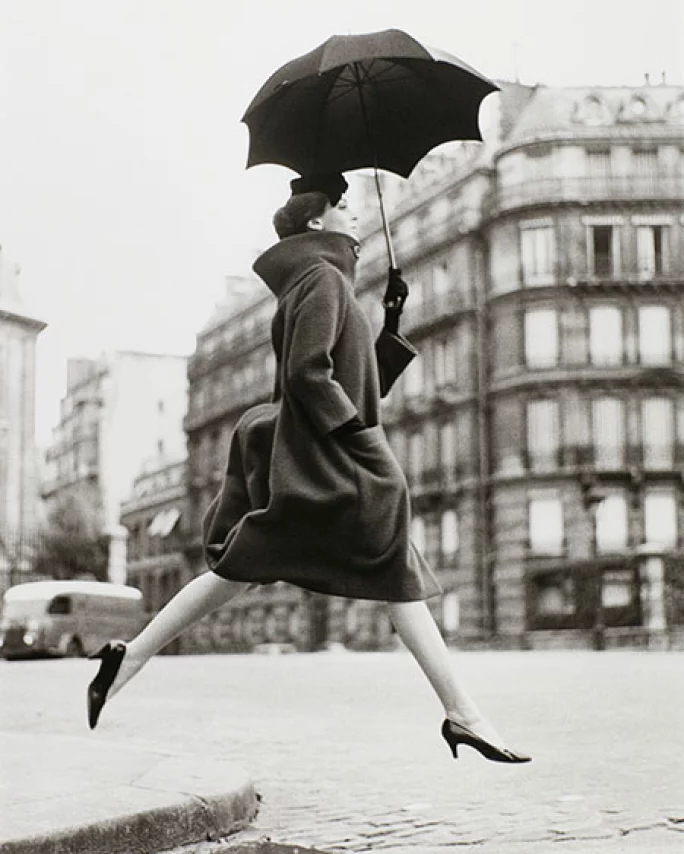
Stepping into the post-war 1950s is like entering the Golden Age of fashion photography. Icons such as Richard Avedon revolutionized portraiture with dynamic compositions that exuded glamour, while Cecil Beaton and Irving Penn pushed the boundaries of studio work with innovative techniques that remain influential today.
This era also witnessed the birth of the supermodel, a symbol of sophistication and allure. Designers like Christian Dior and Pierre Cardin ruled the runway with their timeless creations, perfectly complementing the refined aesthetic of the time. These iconic images, featured in Vogue, Harper’s Bazaar, and Life, continue to inspire today’s fashion industry.
The 1960s: A Revolution in Fashion and Expression
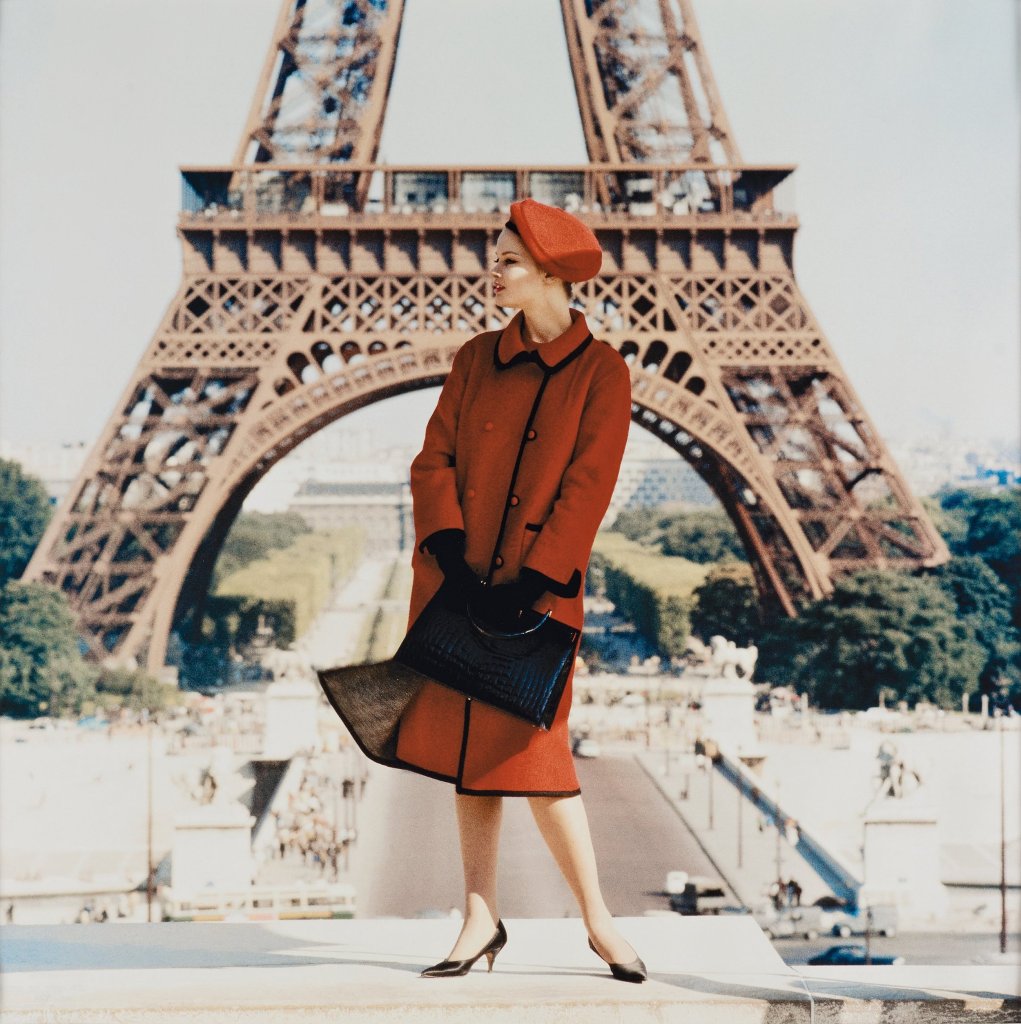
The 1960s were all about breaking free from convention. Photographers like David Bailey captured the raw, rebellious energy of the era with candid, street-style images that shattered traditional studio norms. New talents such as Helmut Newton and Guy Bourdin added their own edgy twists, pushing the boundaries of what fashion photography could be.
This was also the decade of revolutionary design. Mary Quant became a household name by popularizing the miniskirt and injecting a dose of youthful exuberance into fashion. The combination of groundbreaking photography and daring design created a cultural phenomenon that still resonates today.
The 1970s: Bold Experimentation and Iconic Imagery
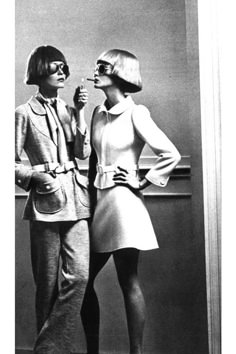
The 1970s were all about pushing the envelope and daring to be different. Photographers such as Helmut Newton fearlessly explored themes of sexuality and power, creating provocative images that challenged the status quo. Meanwhile, Guy Bourdin introduced surreal, highly stylized compositions that redefined visual storytelling in fashion.
This decade was also a time of bold design. Halston emerged as an icon of minimalist yet luxurious fashion, capturing the essence of American glamour with effortless cool. The bold experimentation of the 1970s redefined cultural perceptions of beauty and left a lasting legacy.
The 1980s: Opulence, Glamour, and Celebrity Culture
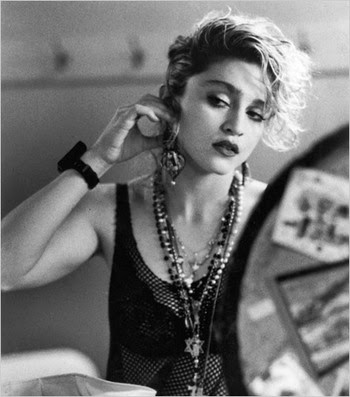
The 1980s were a time of extravagant glamour and bold expression. Renowned photographers such as Herb Ritts and Patrick Demarchelier captured the lavish lifestyles of the rich and famous with high-contrast, glossy images that defined the decade’s aesthetic. Their work set a new benchmark for luxury in fashion photography.
At the same time, designers like Gianni Versace ruled the runway with bold, opulent creations that epitomized the era’s celebrity culture. The vivid imagery from the 1980s, showcased in Vogue, Harper’s Bazaar, and on television, continues to influence today’s style trends.
The 1990s: The Digital Dawn of Fashion Photography

The 1990s heralded the digital revolution, completely reshaping the world of fashion photography. Influential artists like Mario Testino, Steven Meisel, and Bruce Weber began fusing traditional analog techniques with emerging digital technology. This innovative fusion gave rise to a fresh, minimalist, and edgy aesthetic that redefined how we visually narrate fashion.
Simultaneously, designers such as Marc Jacobs pushed boundaries with avant-garde creations that captured the urban, contemporary vibe of the era.
The 2000s: Globalization and Multimedia Innovation
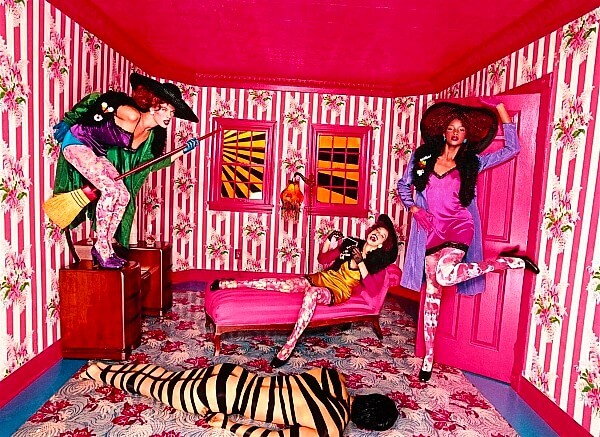
The early 2000s brought a dramatic shift as globalization and multimedia storytelling took center stage in fashion photography. Visionaries like David LaChapelle and Terry Richardson pushed creative boundaries with surreal, hyper-stylized images that captivated audiences worldwide. Meanwhile, Mario Testino continued to set trends with his unmistakable style.
This era also witnessed breakthroughs in digital editing and online distribution. With platforms like Vogue Digital and Harper’s Bazaar Digital, fashion images began reaching global audiences like never before. Iconic designers such as Alexander McQueen emerged during this time, challenging conventional beauty standards with provocative and visionary designs.
The 2010s: A Digital Renaissance of Authenticity and Inclusivity
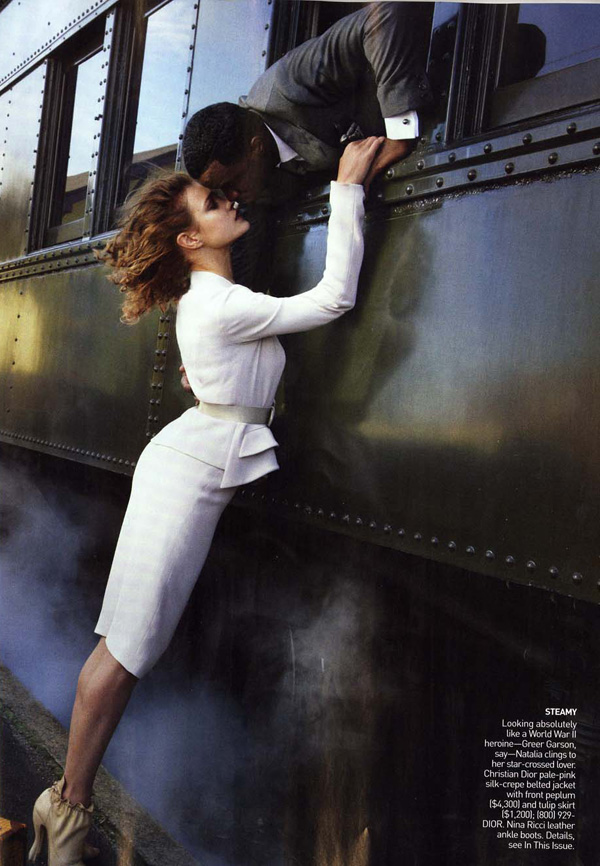
The 2010s ushered in a refreshing era for fashion photography, marked by a renewed focus on authenticity and inclusivity. While legends like Annie Leibovitz continued to inspire, a new generation of digital-native photographers took center stage on platforms such as 500px and Instagram Explore. Creative duos like Mert and Marcus captured diverse perspectives that challenged traditional beauty norms and redefined the visual narrative of fashion.
During this vibrant decade, designers like Virgil Abloh revolutionized contemporary fashion with his work at Off-White and Louis Vuitton, infusing the industry with fresh, inclusive ideas. Digital outlets such as i-D Online and Refinery29 played key roles in broadcasting these authentic stories to a global audience.
The 2020s: Interactive, Sustainable, and Forward-Thinking
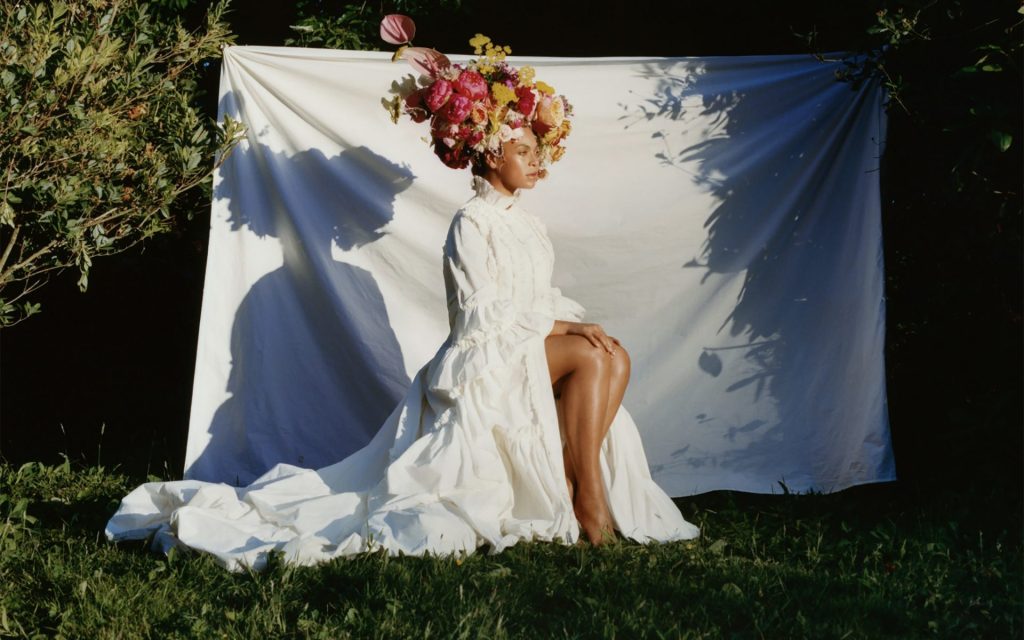
Today, in the vibrant 2020s, fashion photography is breaking new ground with interactive technologies and ethical storytelling. Emerging talents like Tyler Mitchell are integrating cutting-edge tools such as augmented reality (AR) and virtual reality (VR) into their work. Meanwhile, sustainability and social responsibility have taken center stage, with eco-friendly practices now a core part of both design and photography.
Designers such as Demna Gvasalia are challenging traditional paradigms and pushing the industry toward a more sustainable, inclusive future. With digital platforms continuously evolving, fashion photography in the 2020s is more interactive, immersive, and ethically conscious than ever before.
Where Fashion Photography Goes Next
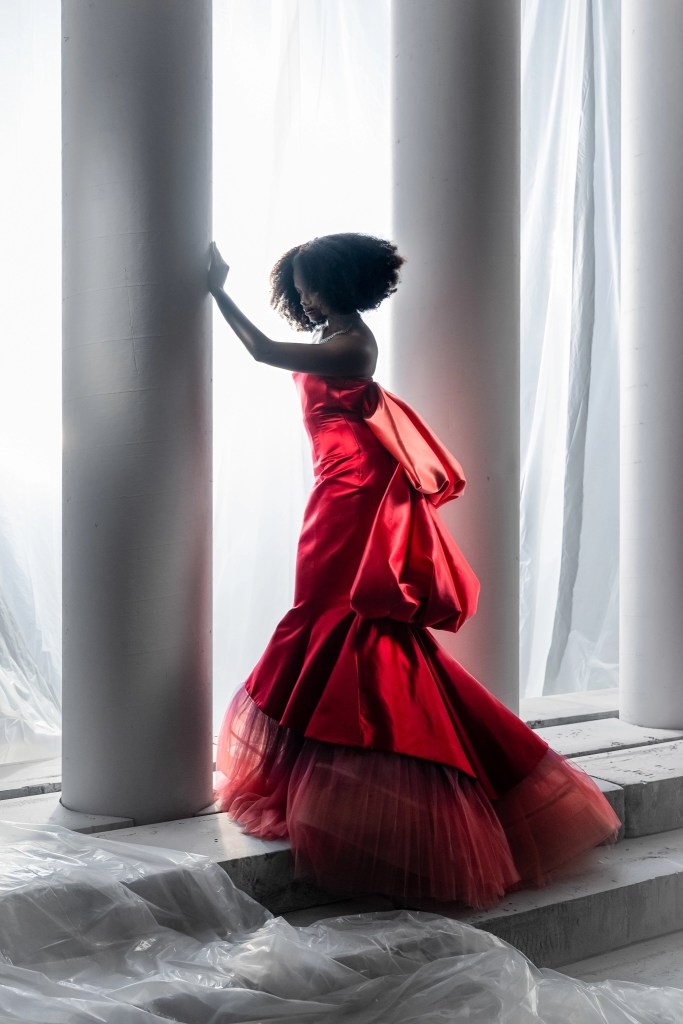
From the meticulously hand-drawn illustrations of bygone eras to the interactive, sustainable innovations of today, fashion photography has transformed the industry in ways that continue to inspire and captivate. Each decade has delivered creative breakthroughs that redefined how fashion is captured, marketed, and celebrated.
What trends or technologies do you believe will drive the next transformation in fashion photography? I invite you to join the conversation about how this dynamic art form continues to shape our understanding of fashion and visual storytelling.
© Paul Tocatlian. All Rights Reserved.
 Kisau Photography