I still remember my first impressions of Hong Kong. The density, the vertical layers, the constant movement all felt immediate. There was no easing into it. It surrounded you, and that energy stayed with me from the start.
This shoot with Meko unfolded right in the middle of that feeling, and it was one of my first times photographing in the city. From the beginning, I saw Hong Kong as something that could deepen the narrative without overpowering it. It brought texture, atmosphere, and tension, while the focus remained on the editorial itself.
Meko has a natural presence that never feels forced. She brings her own personality into every frame, and that gives the editorial its life. The Bach Mai dress adds shape and movement, while the city settles around her in a supporting role. Together, they create the story.
Tai Kwun Photoshoot Location in Hong Kong
We began at Tai Kwun, one of Hong Kong’s major cultural and heritage centers. Knowing that it once served as the city’s main police headquarters gave the space a distinct emotional weight from the start.
In the Parade Ground courtyard, we photographed with the JC Contemporary building in the background and Alicja Kwade’s Waiting Pavilions surrounding us. The glass brick structures felt beautiful, but also unsettling. They appeared transparent and open, yet still suggested barriers. That tension became part of the visual language of the shoot.
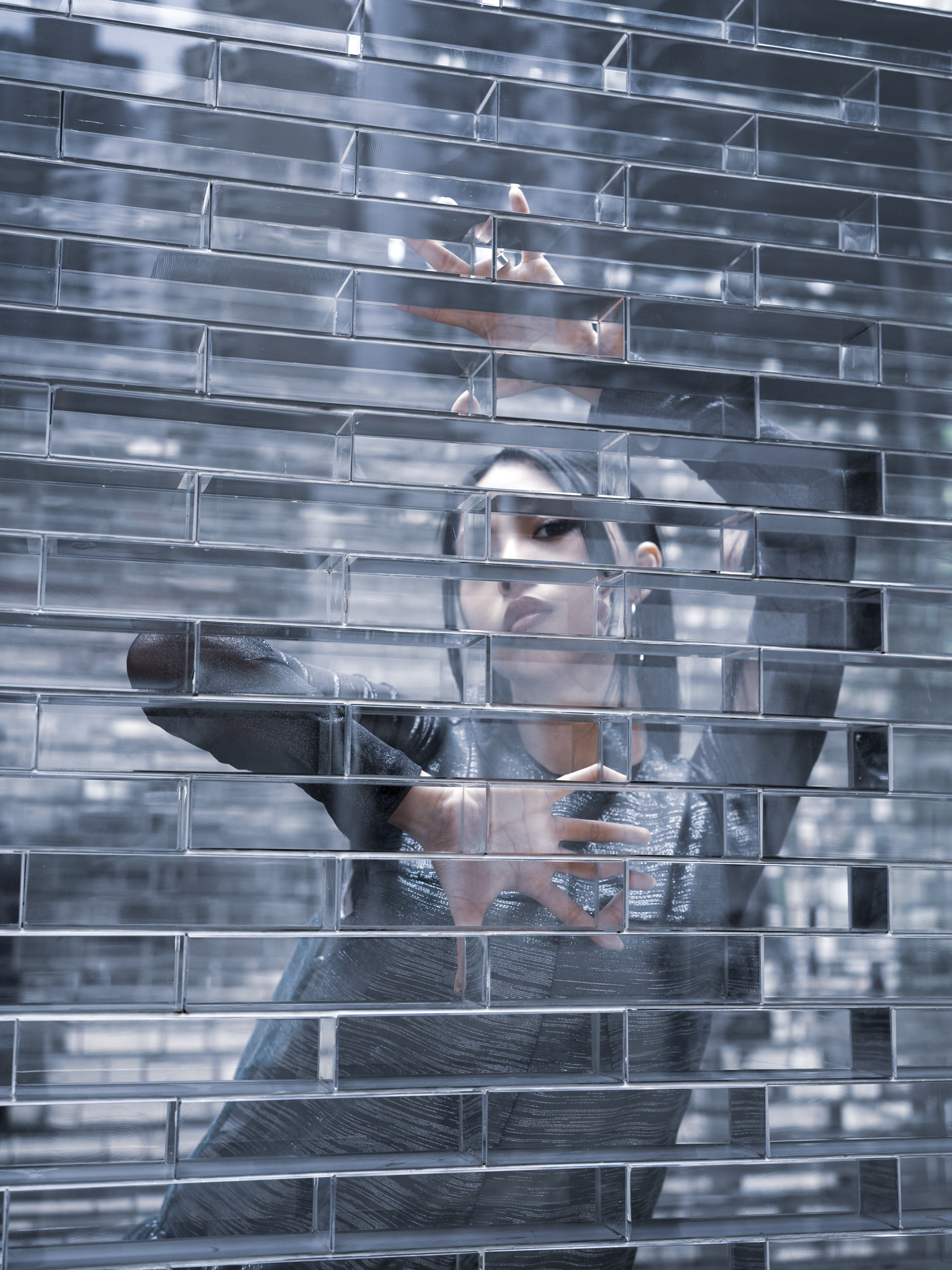
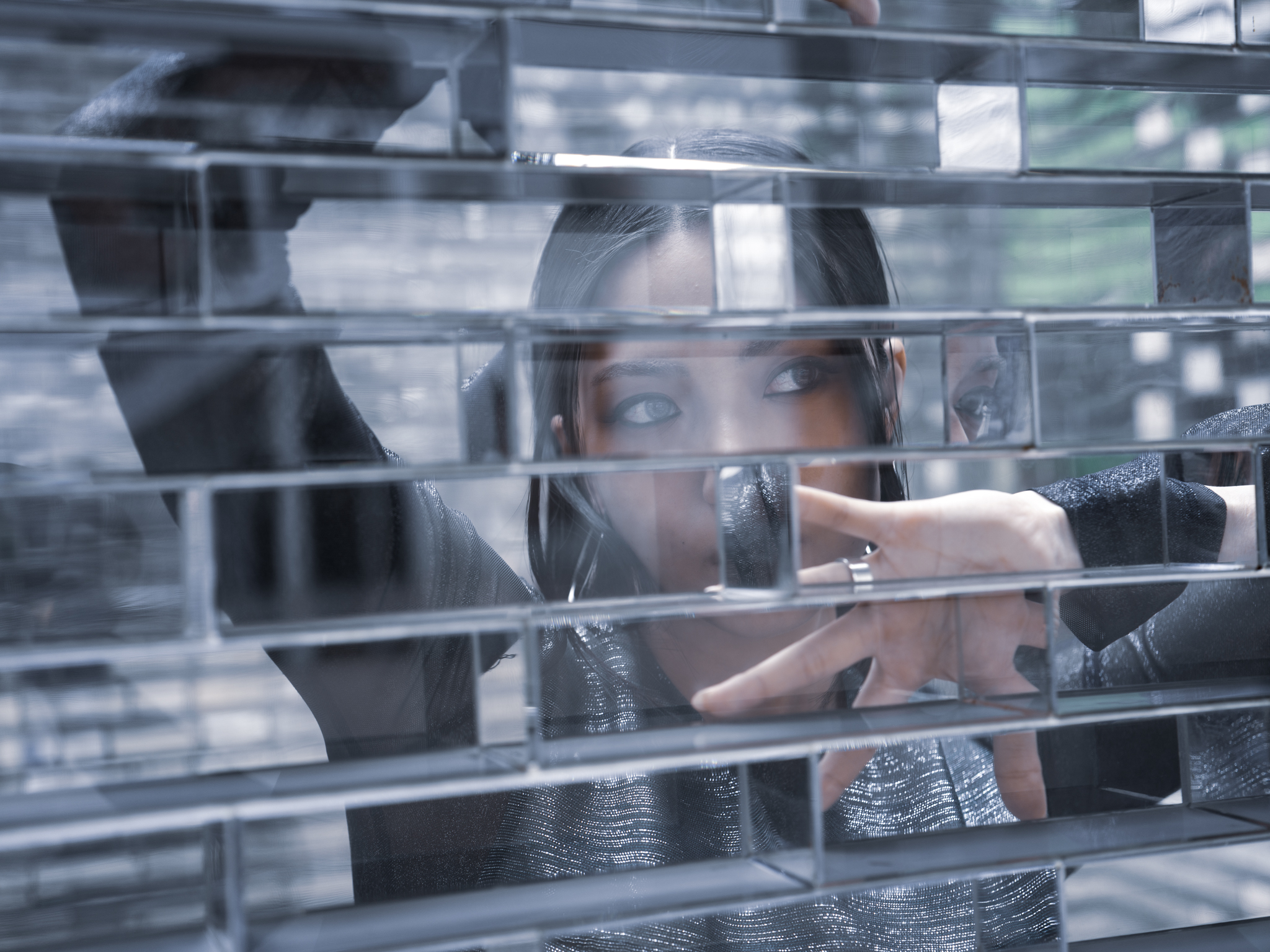
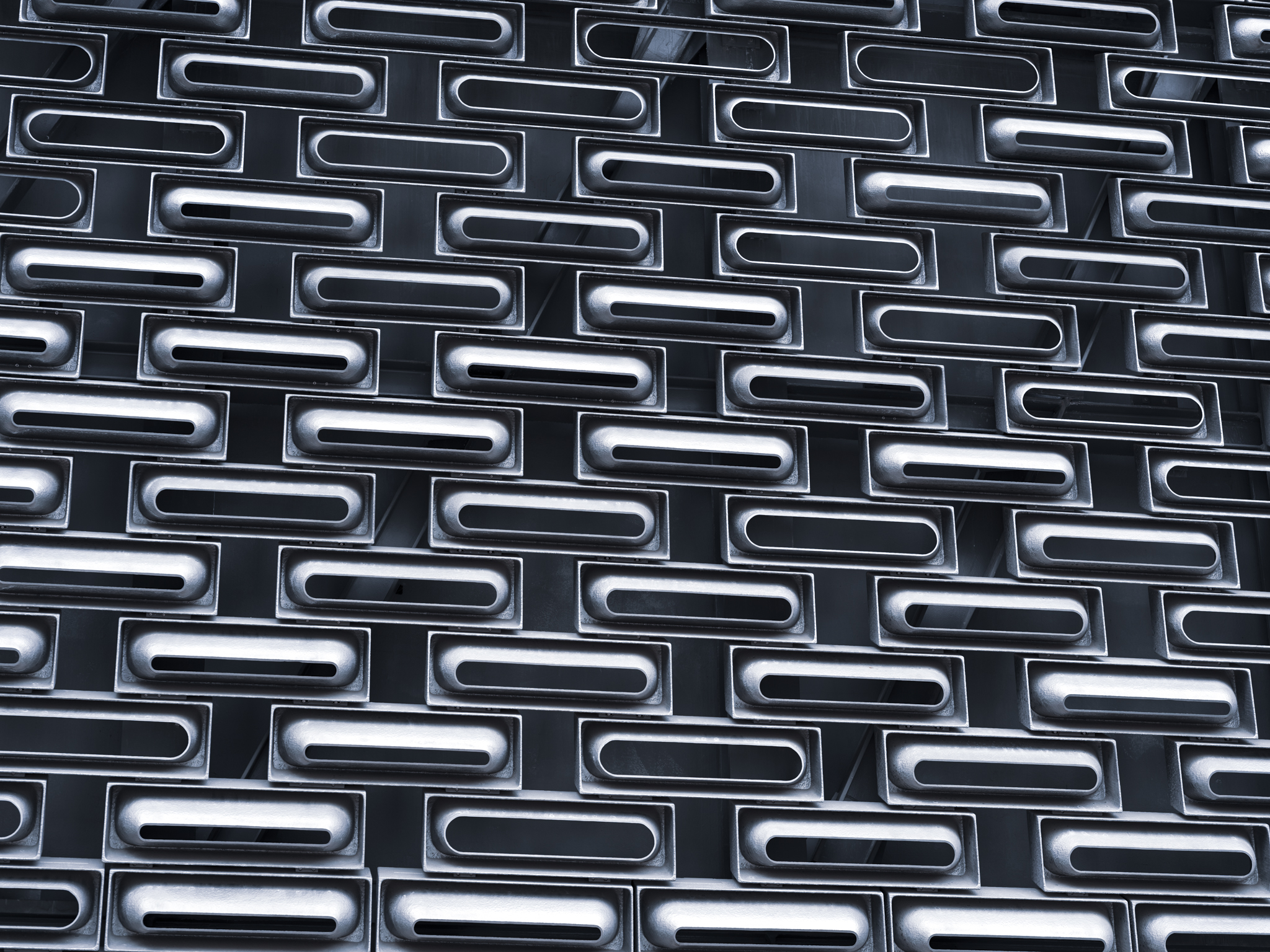
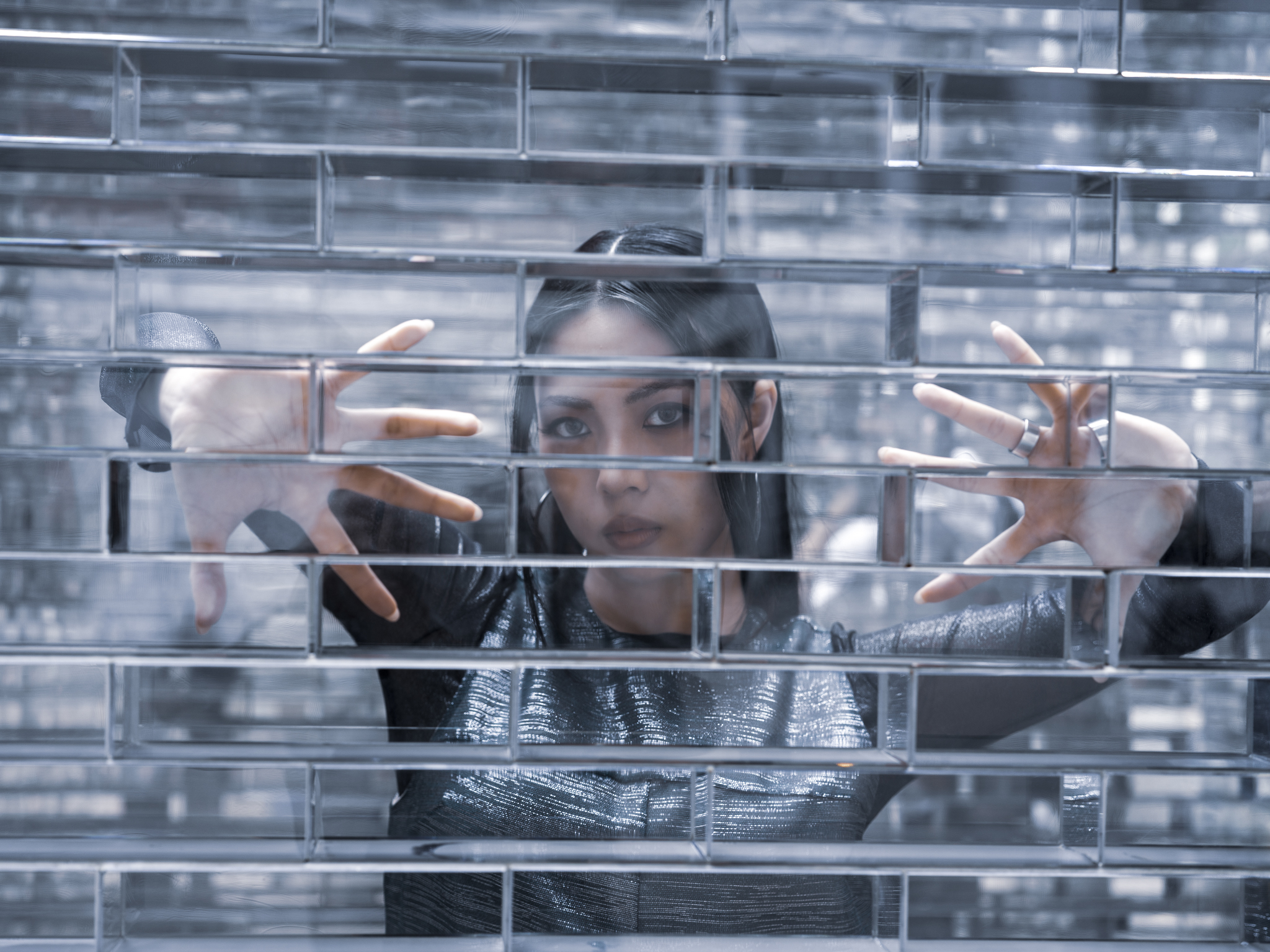
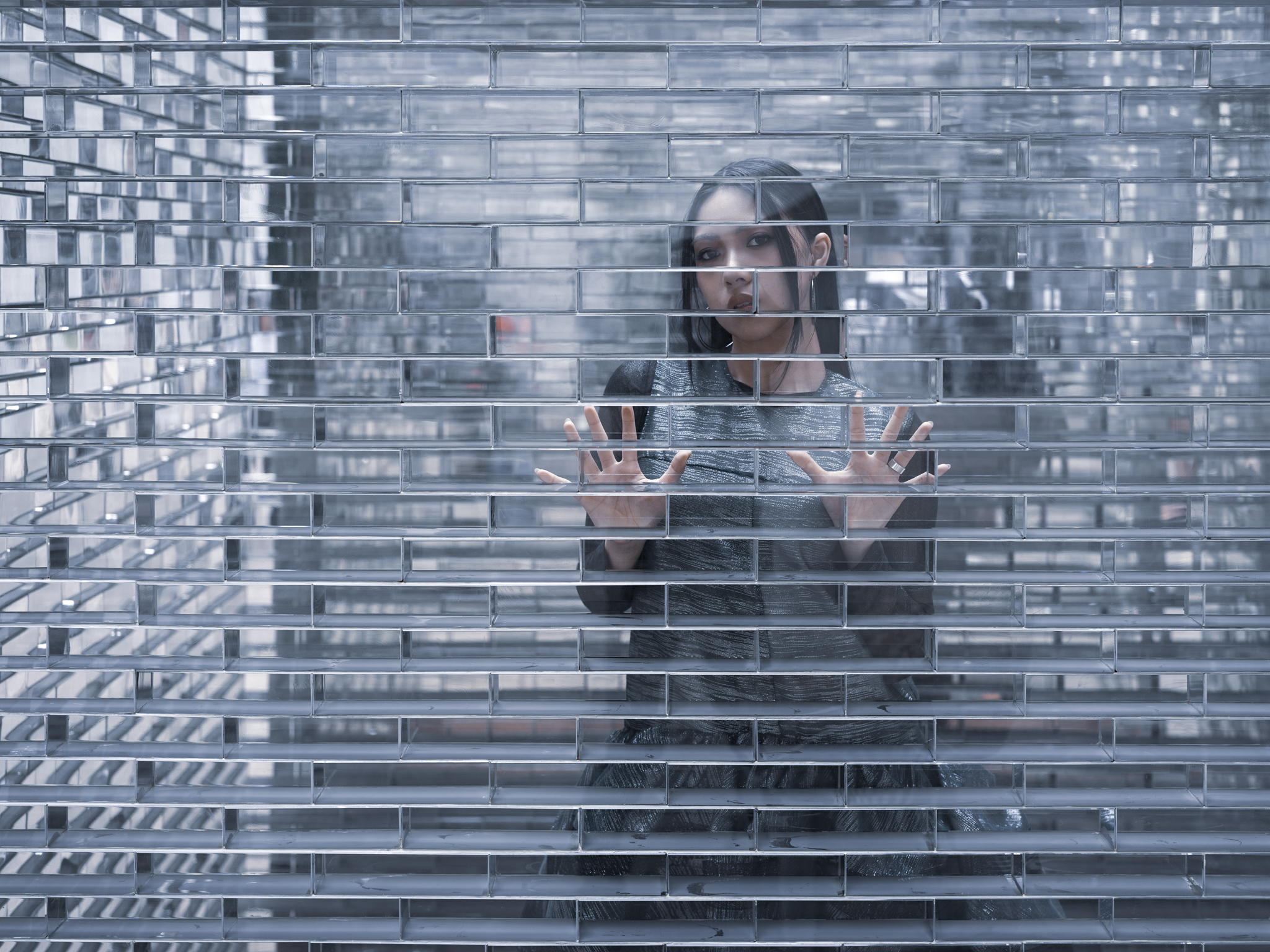
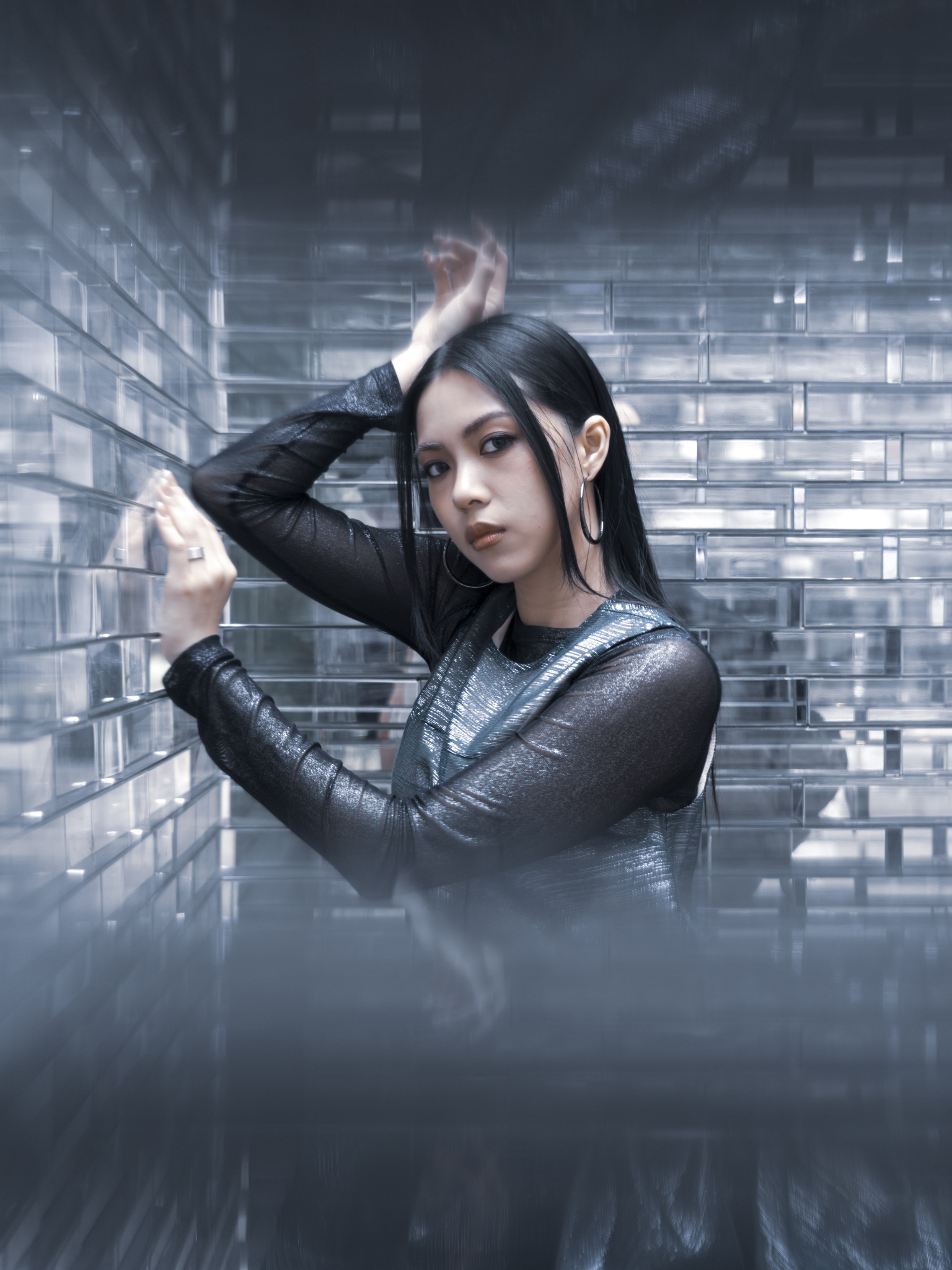
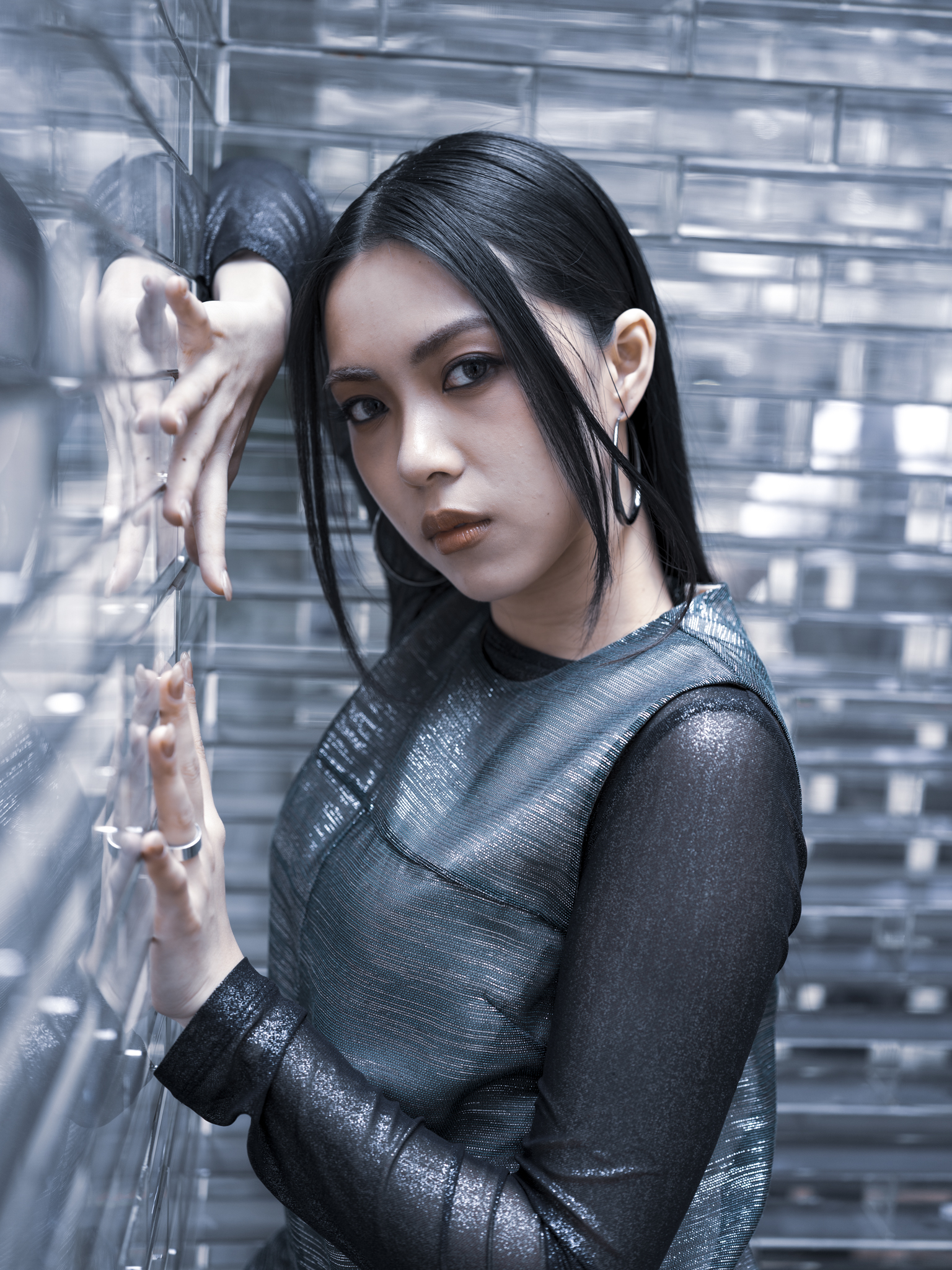
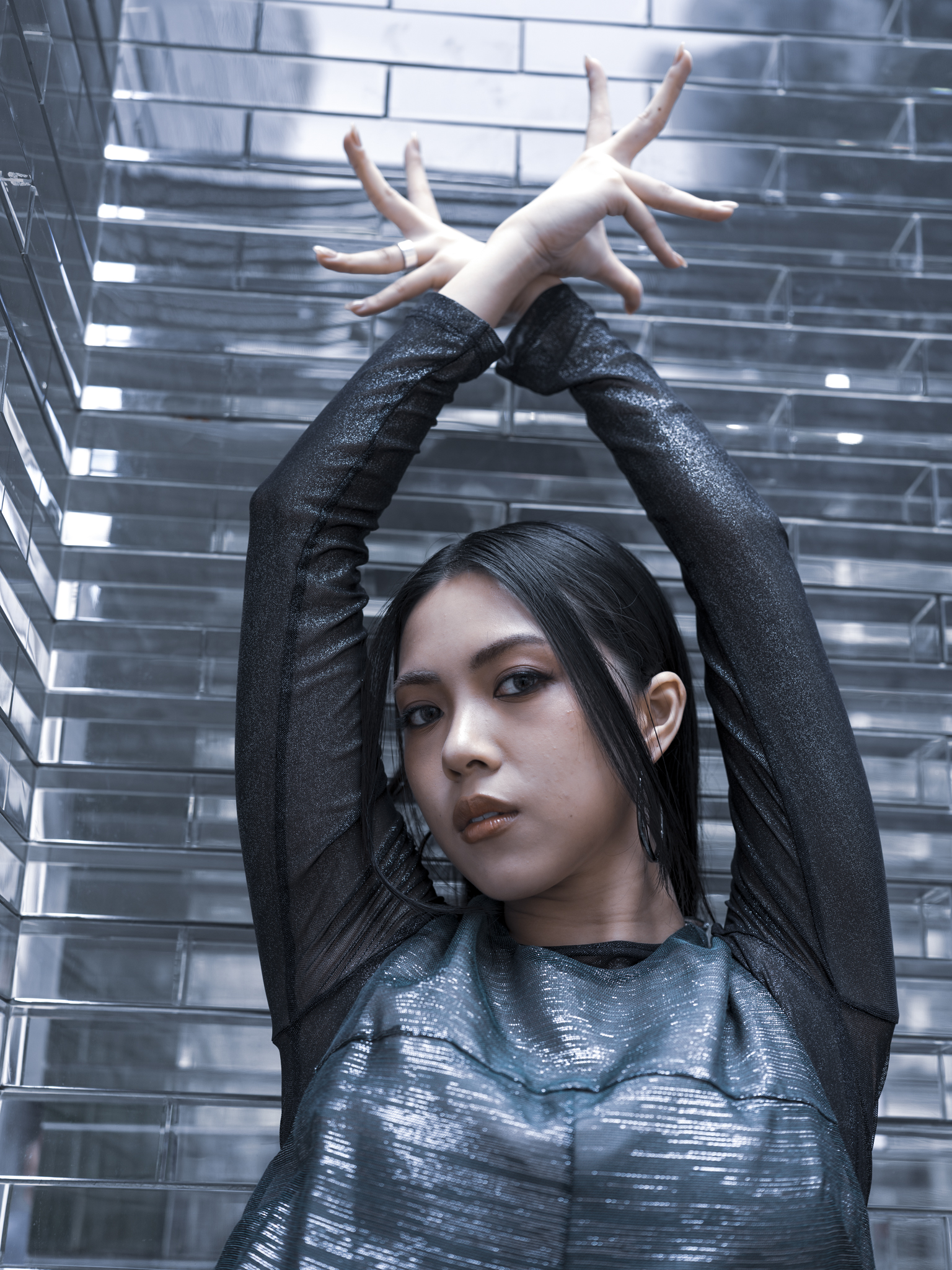
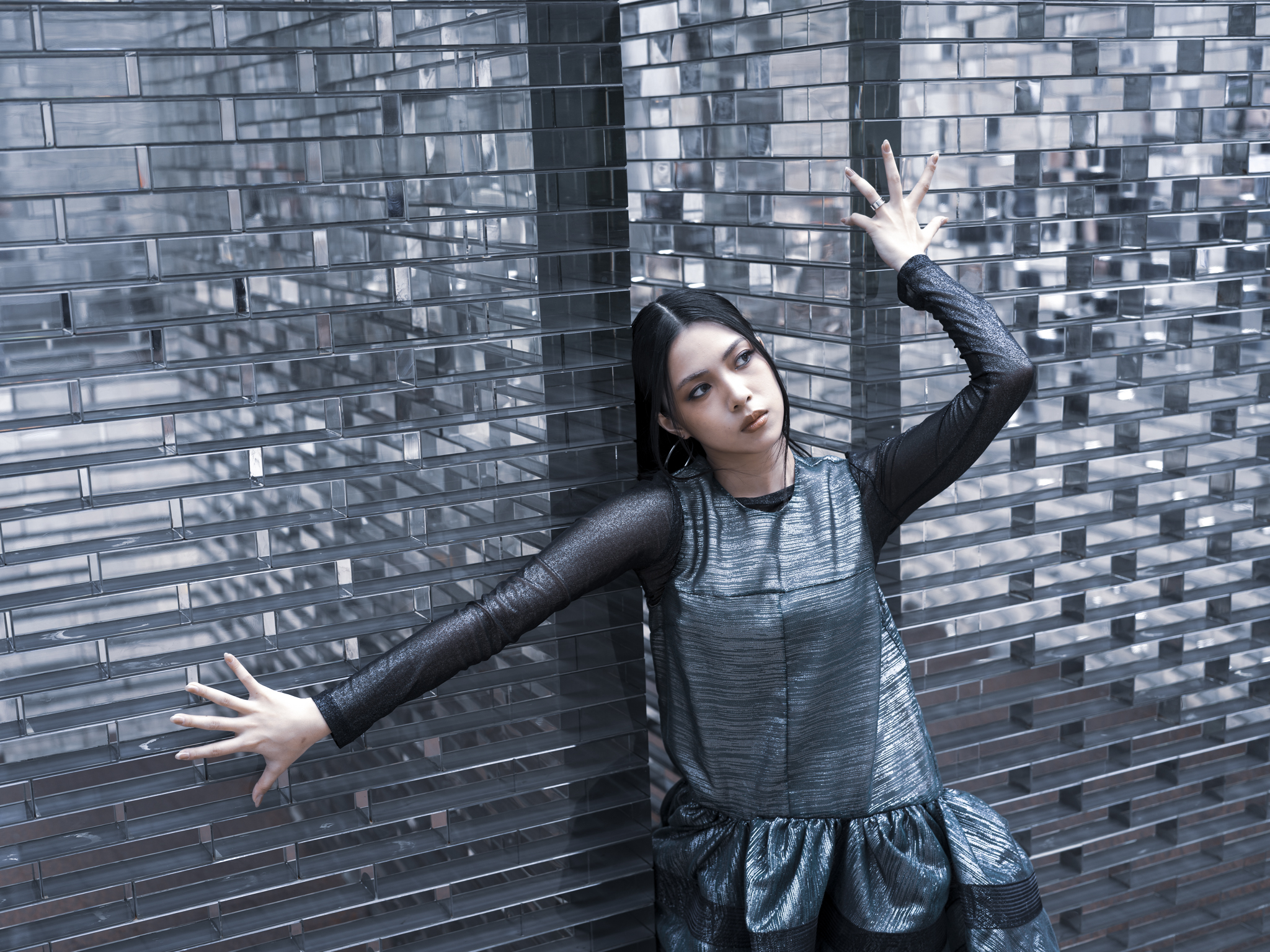
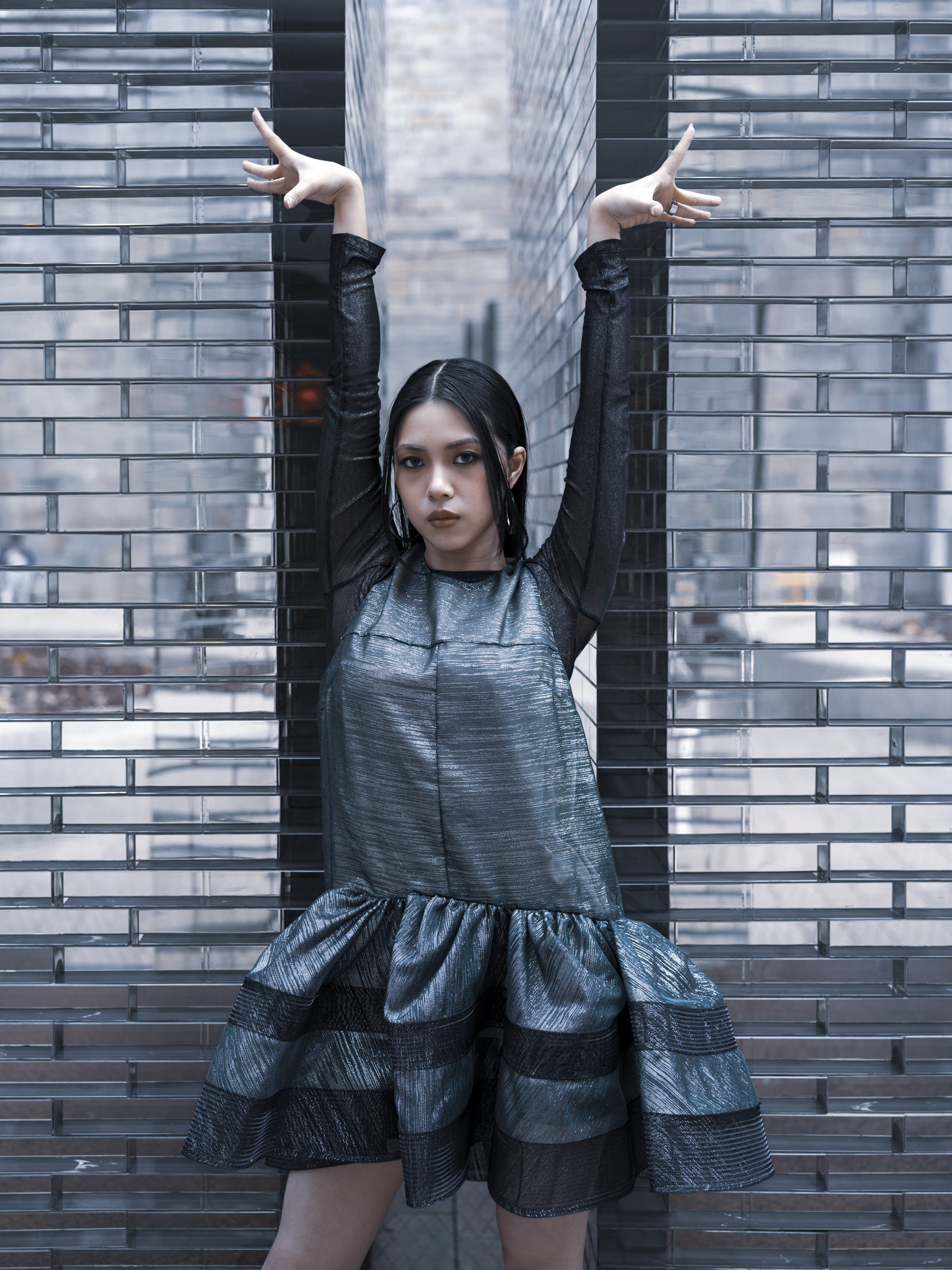
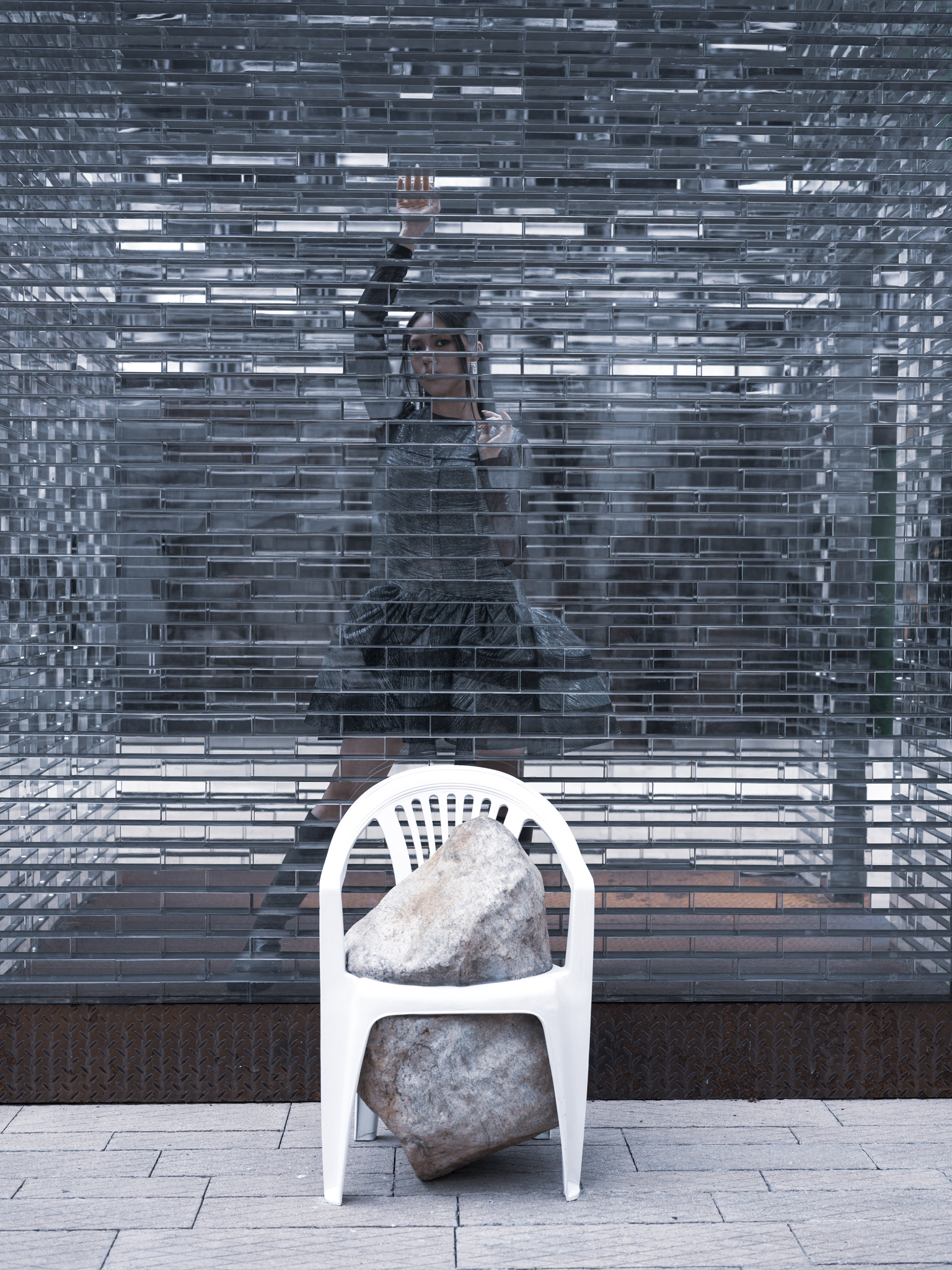
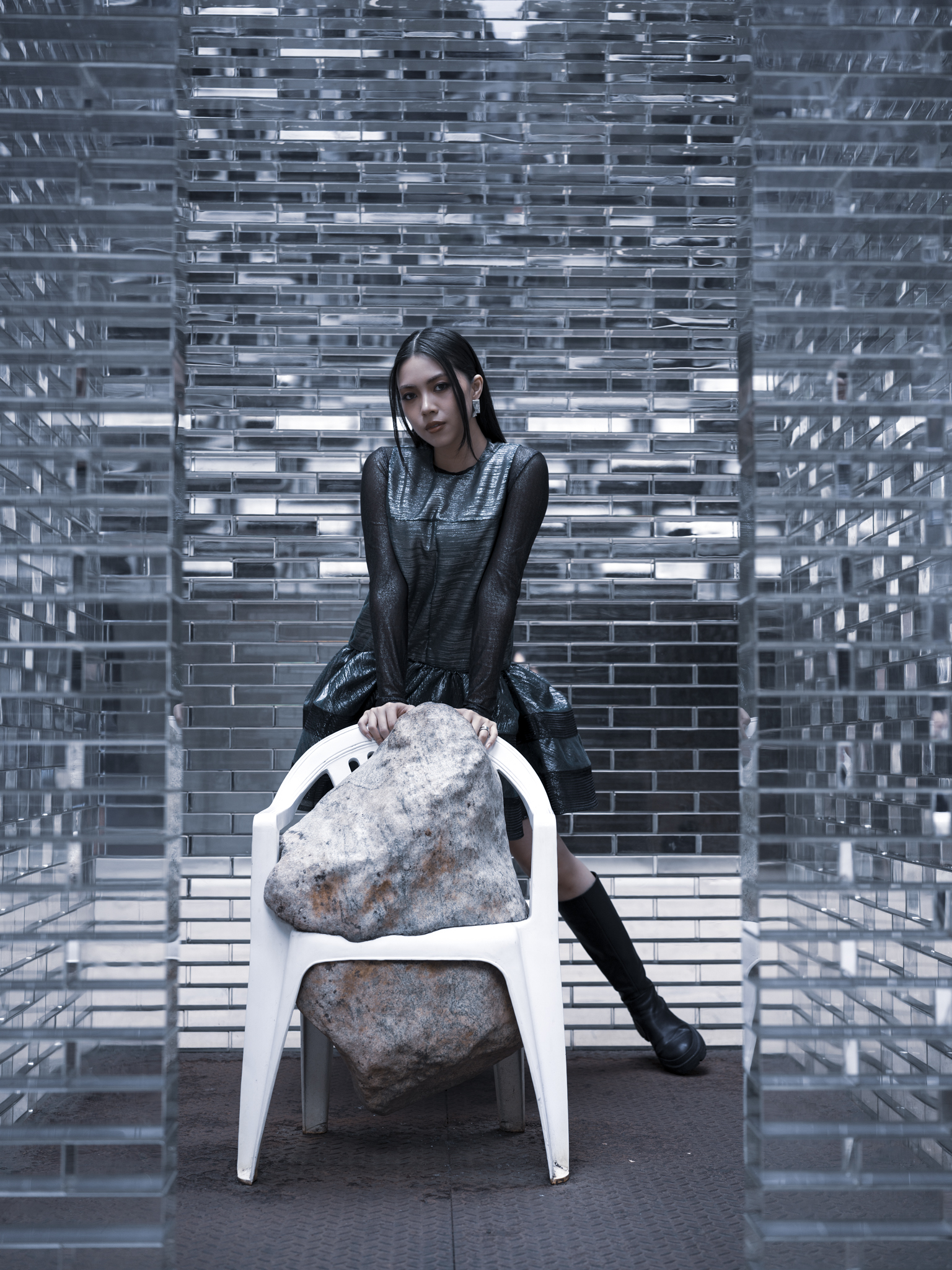
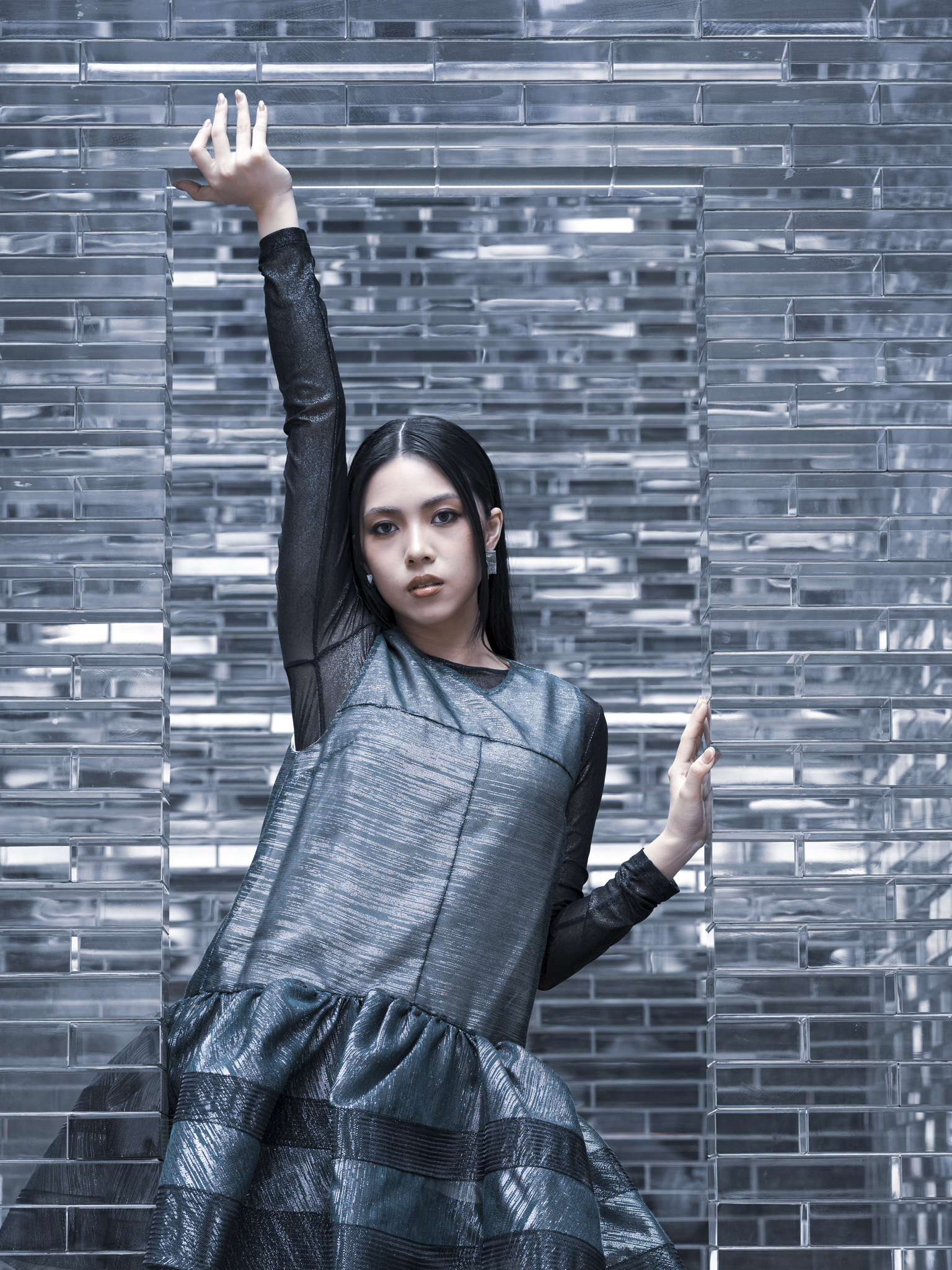
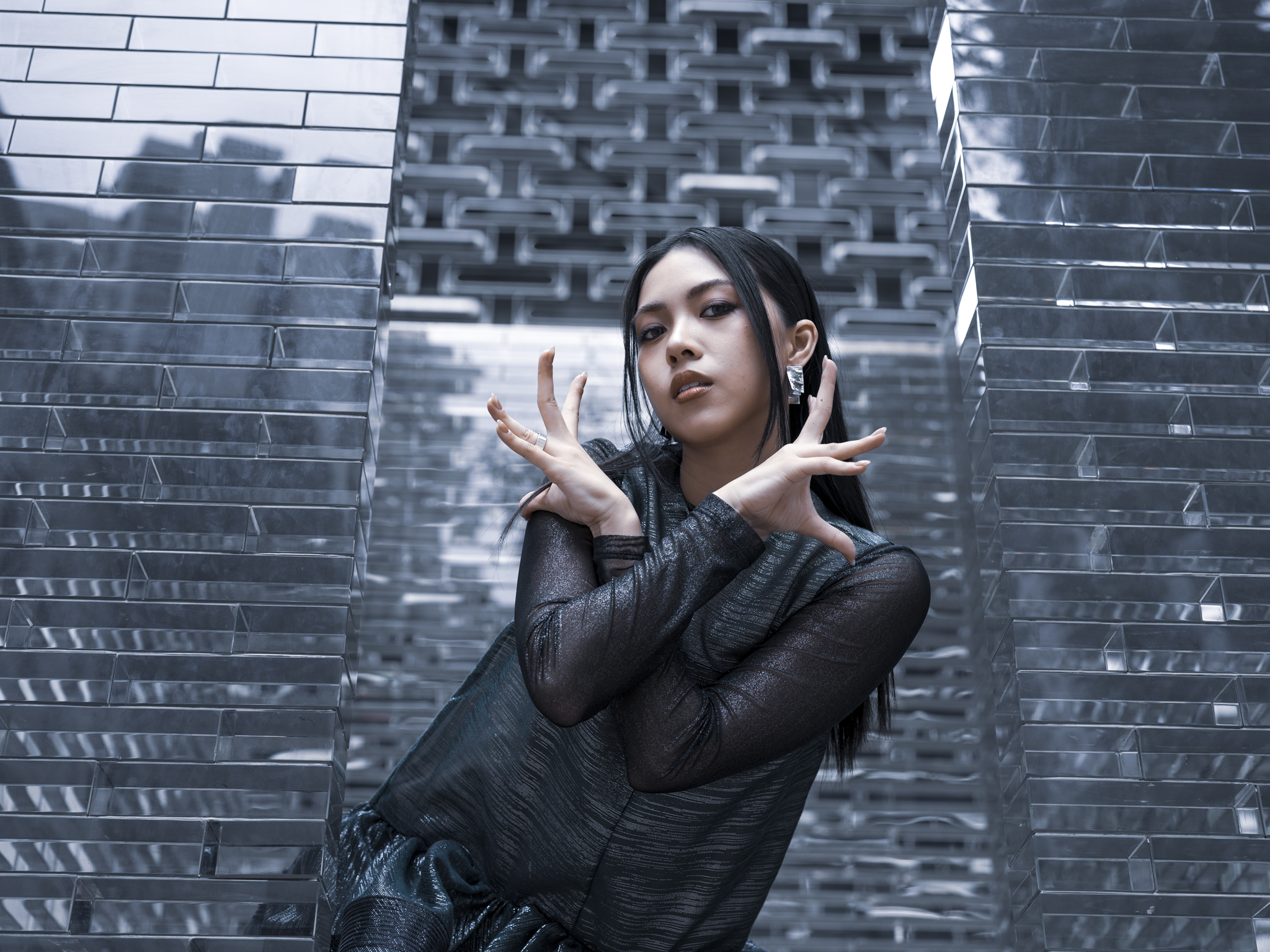
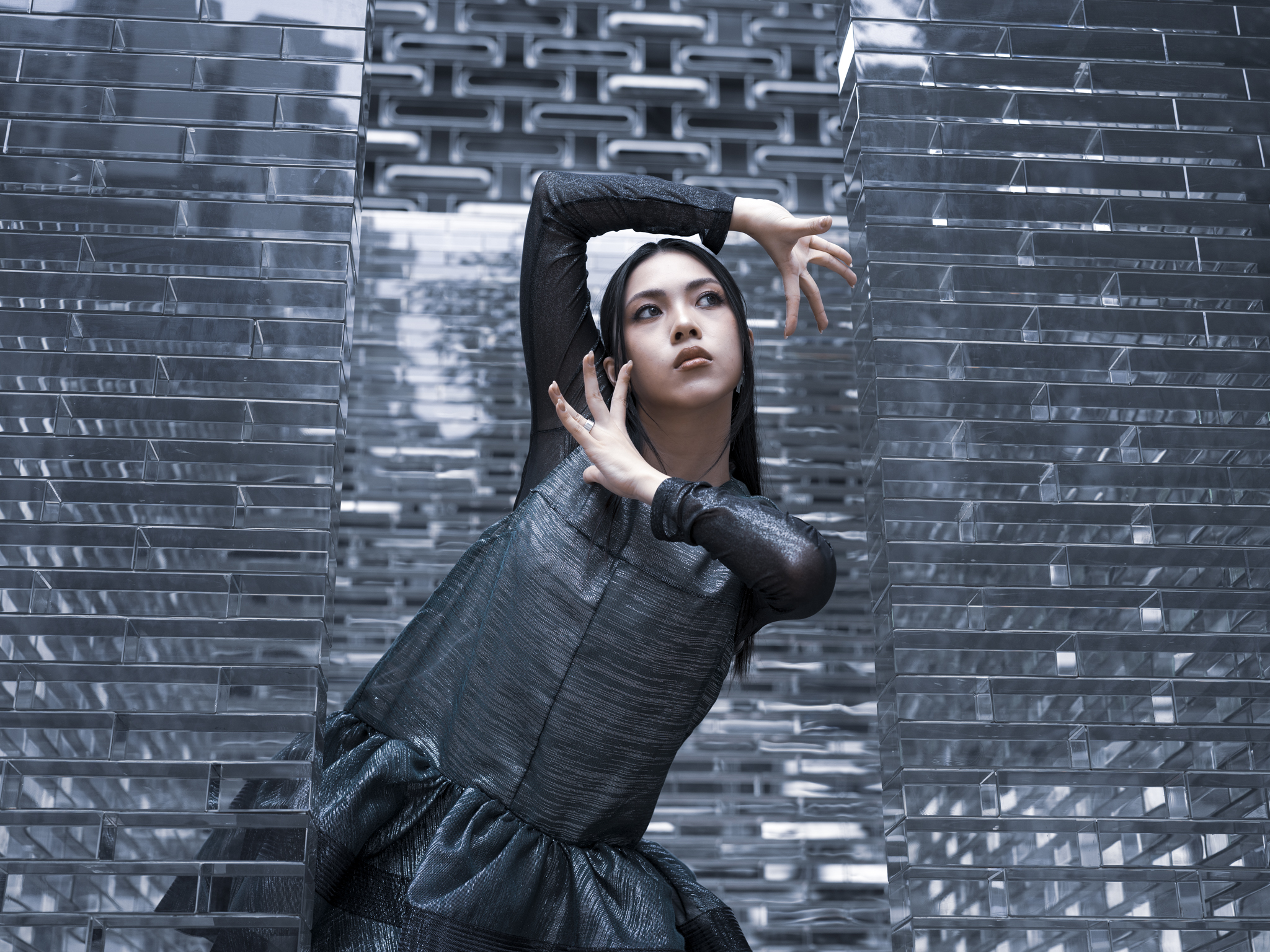
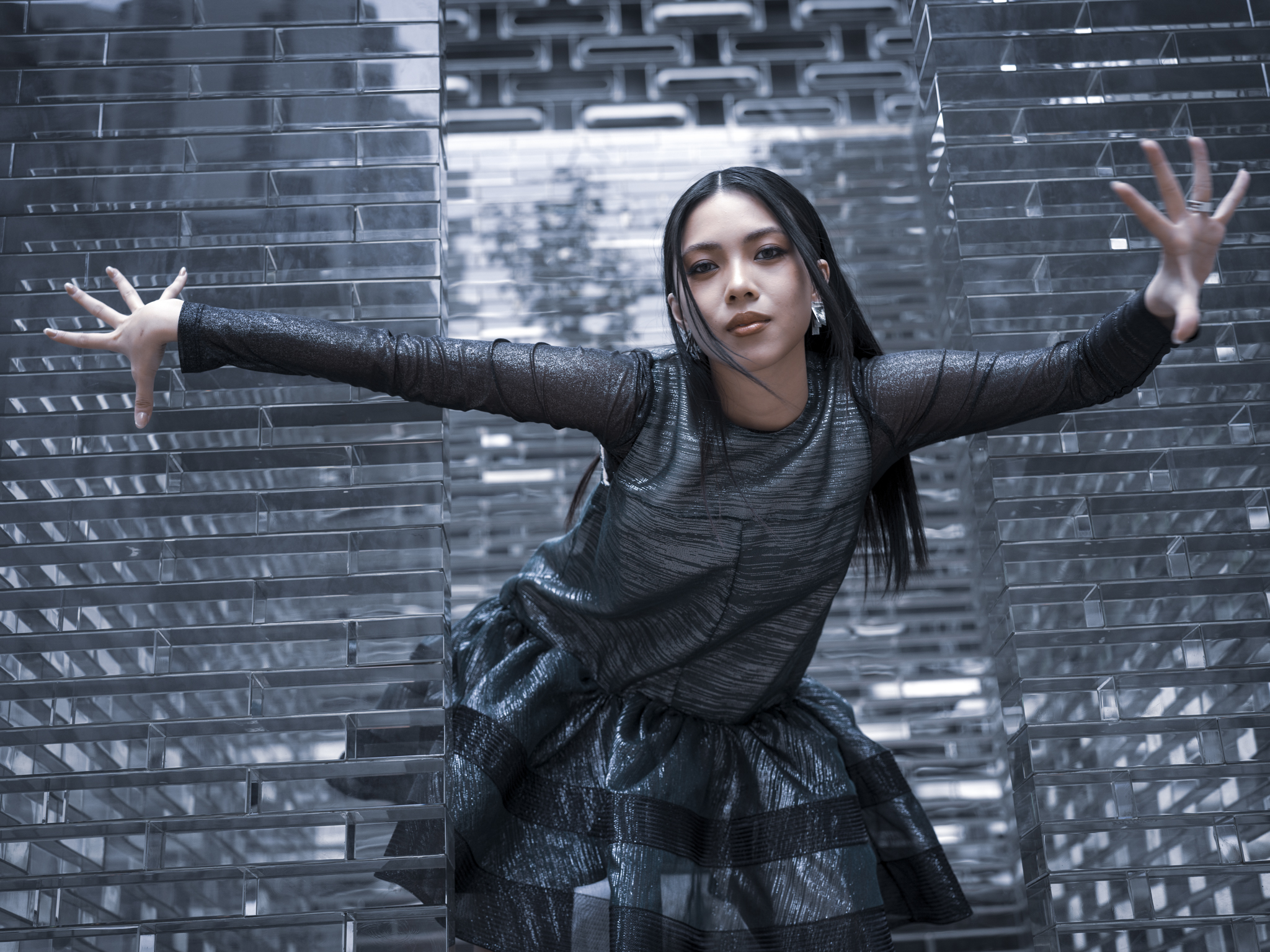
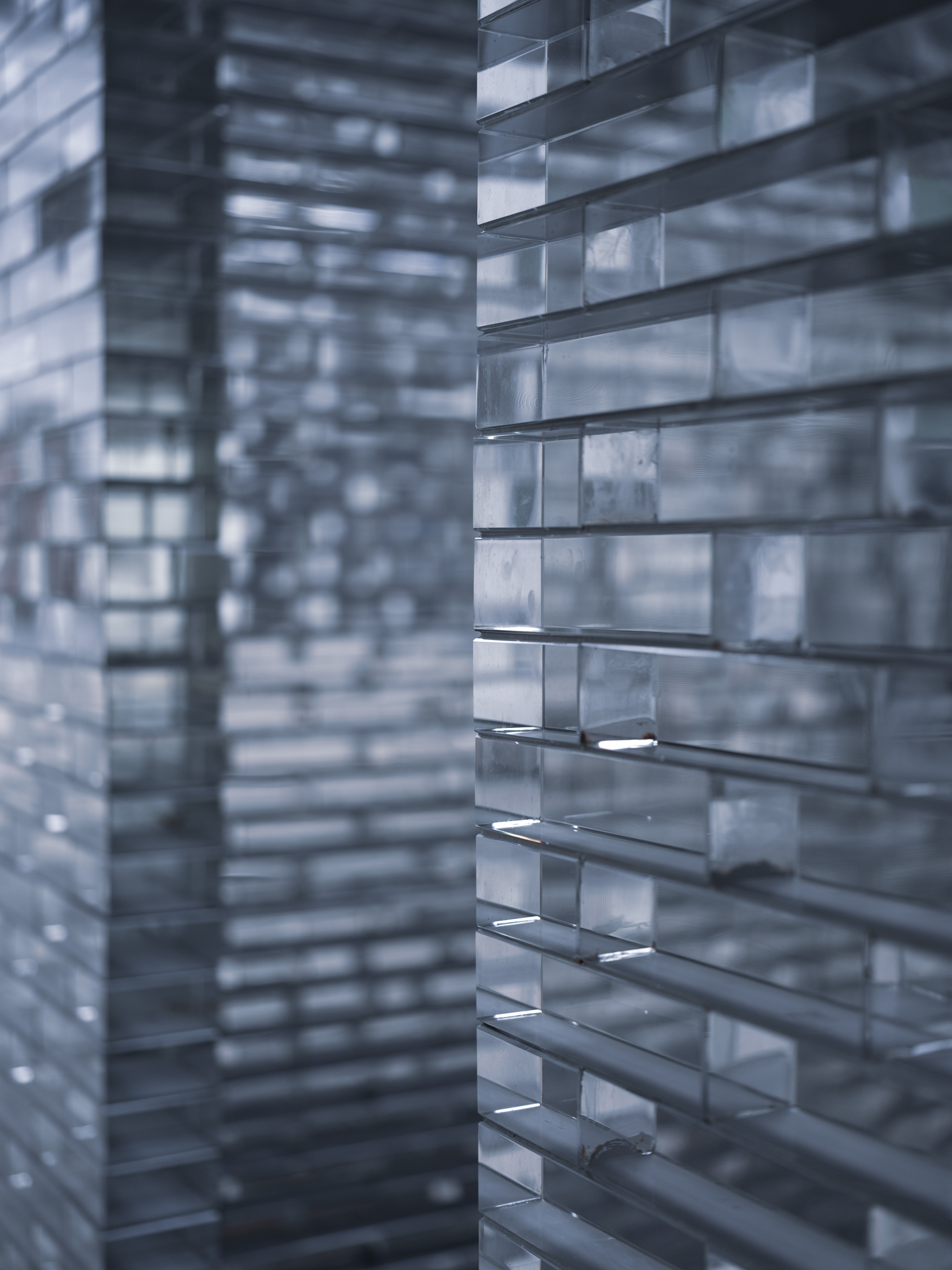
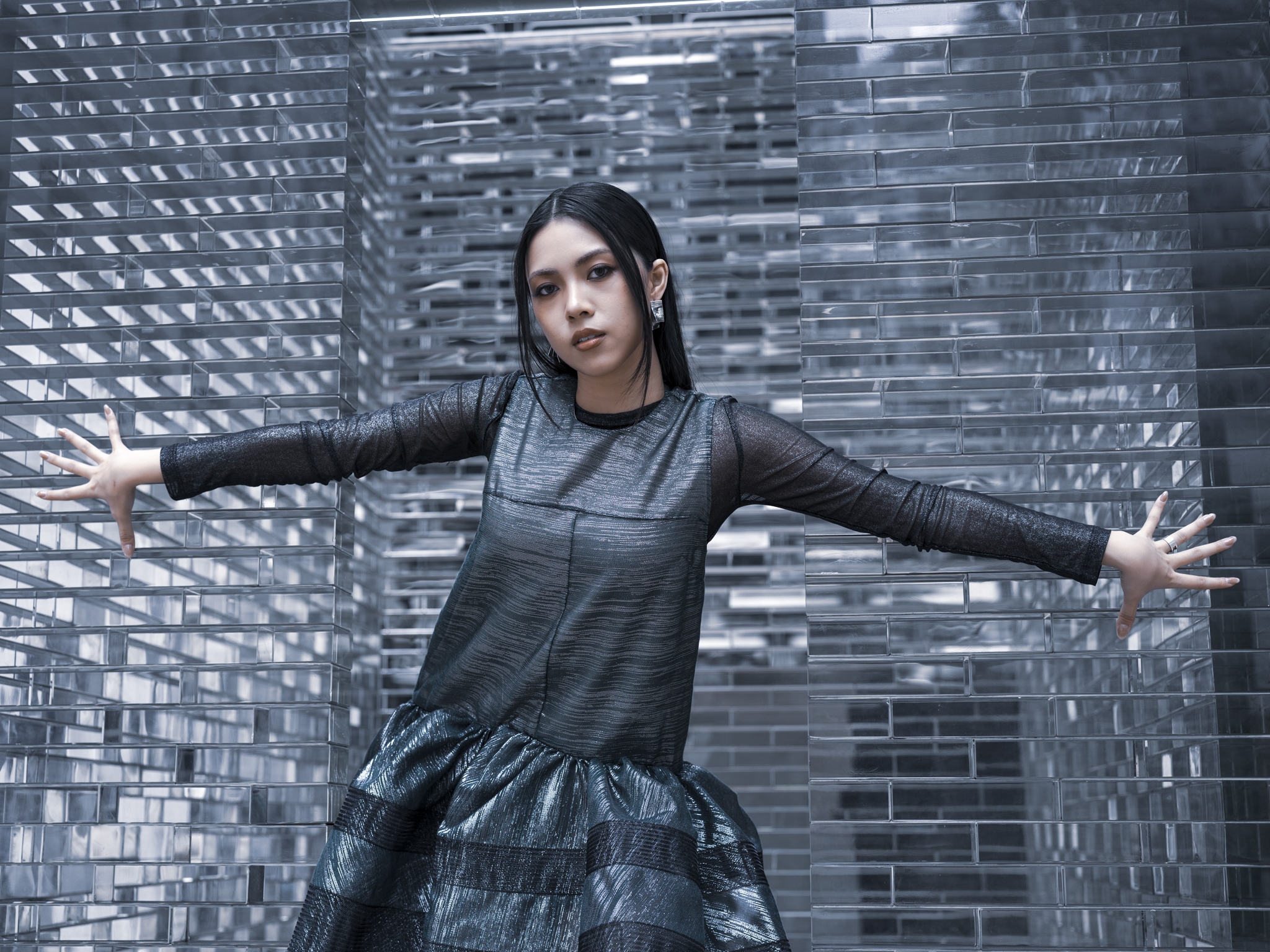
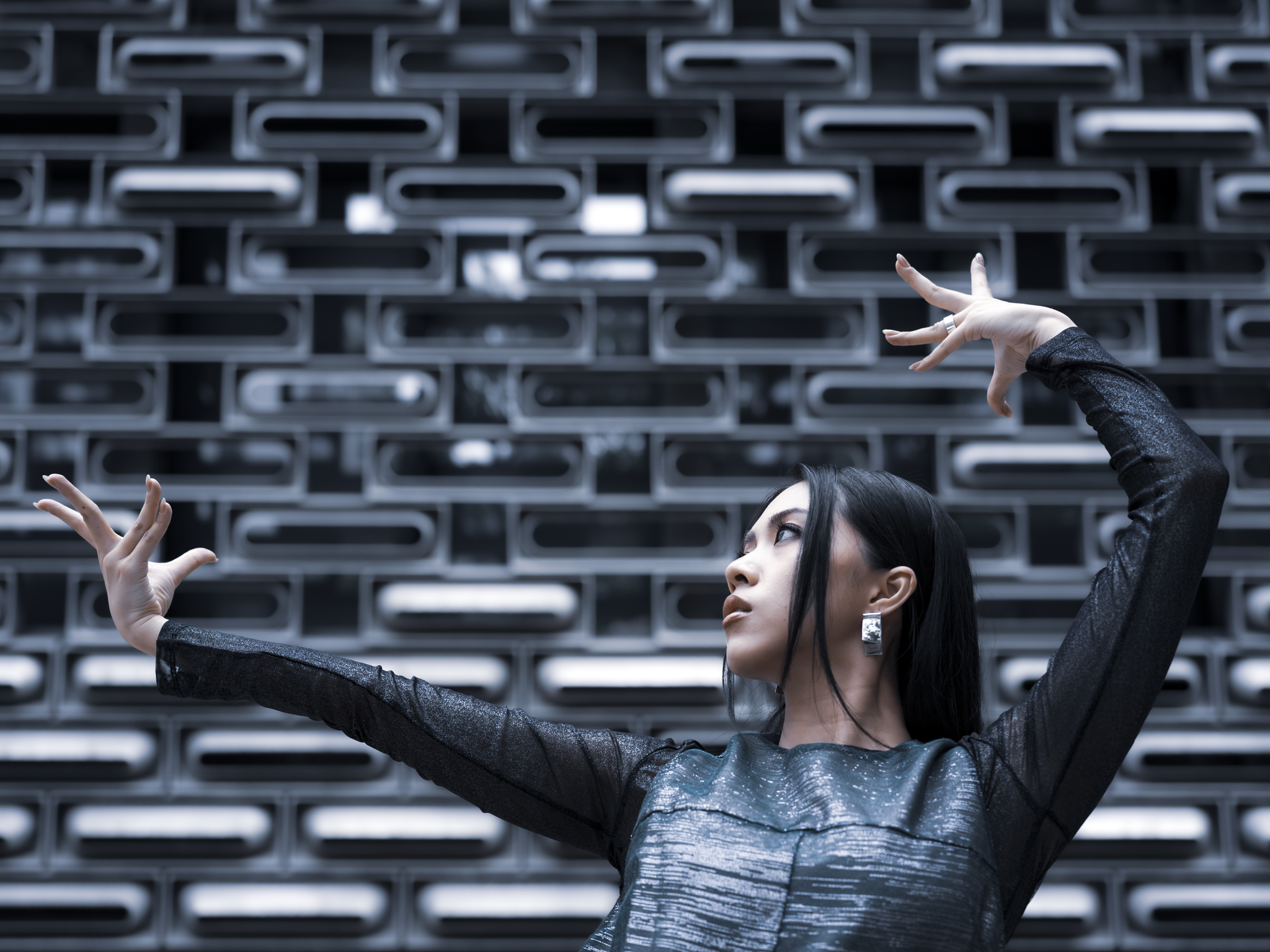
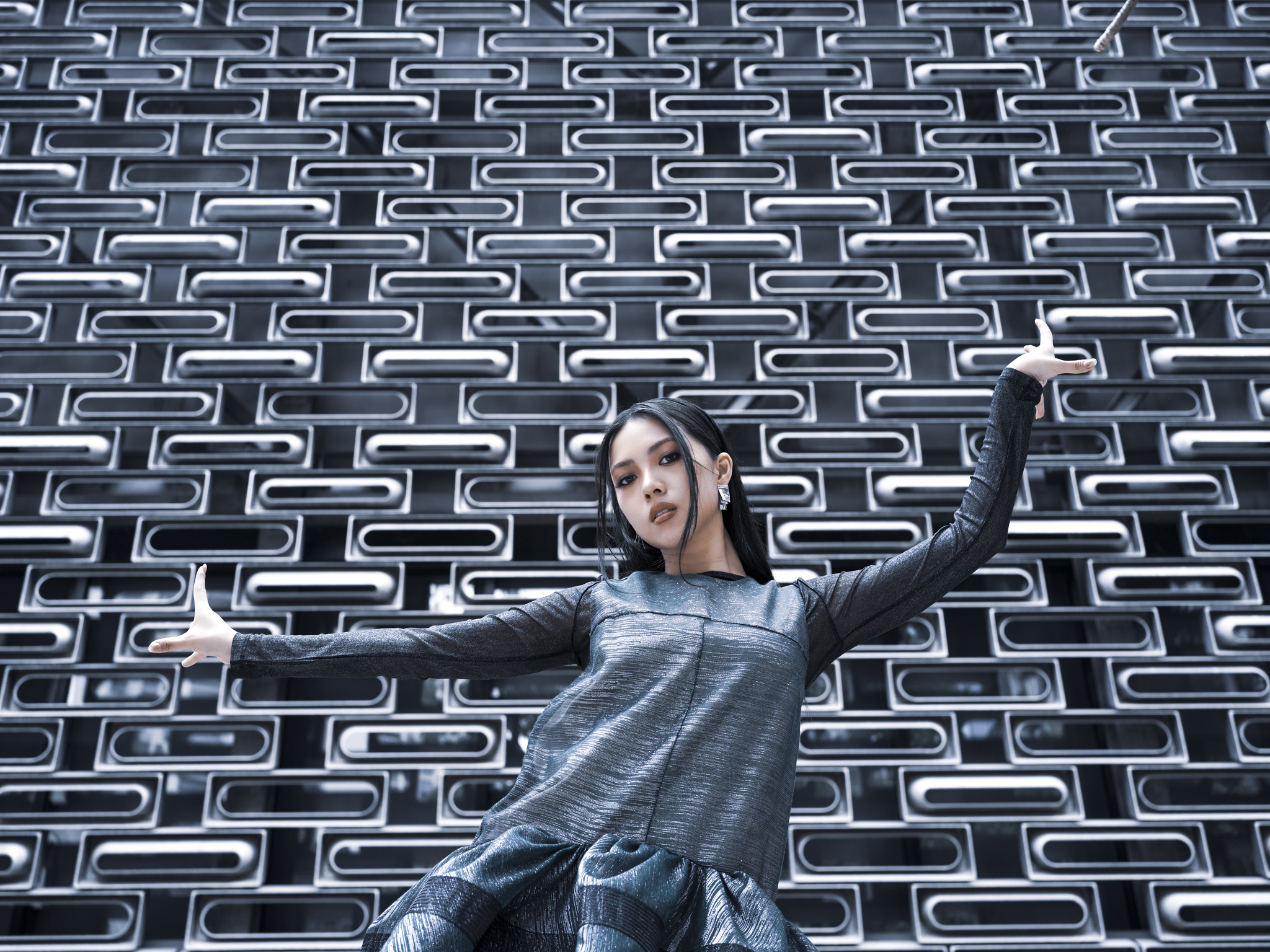
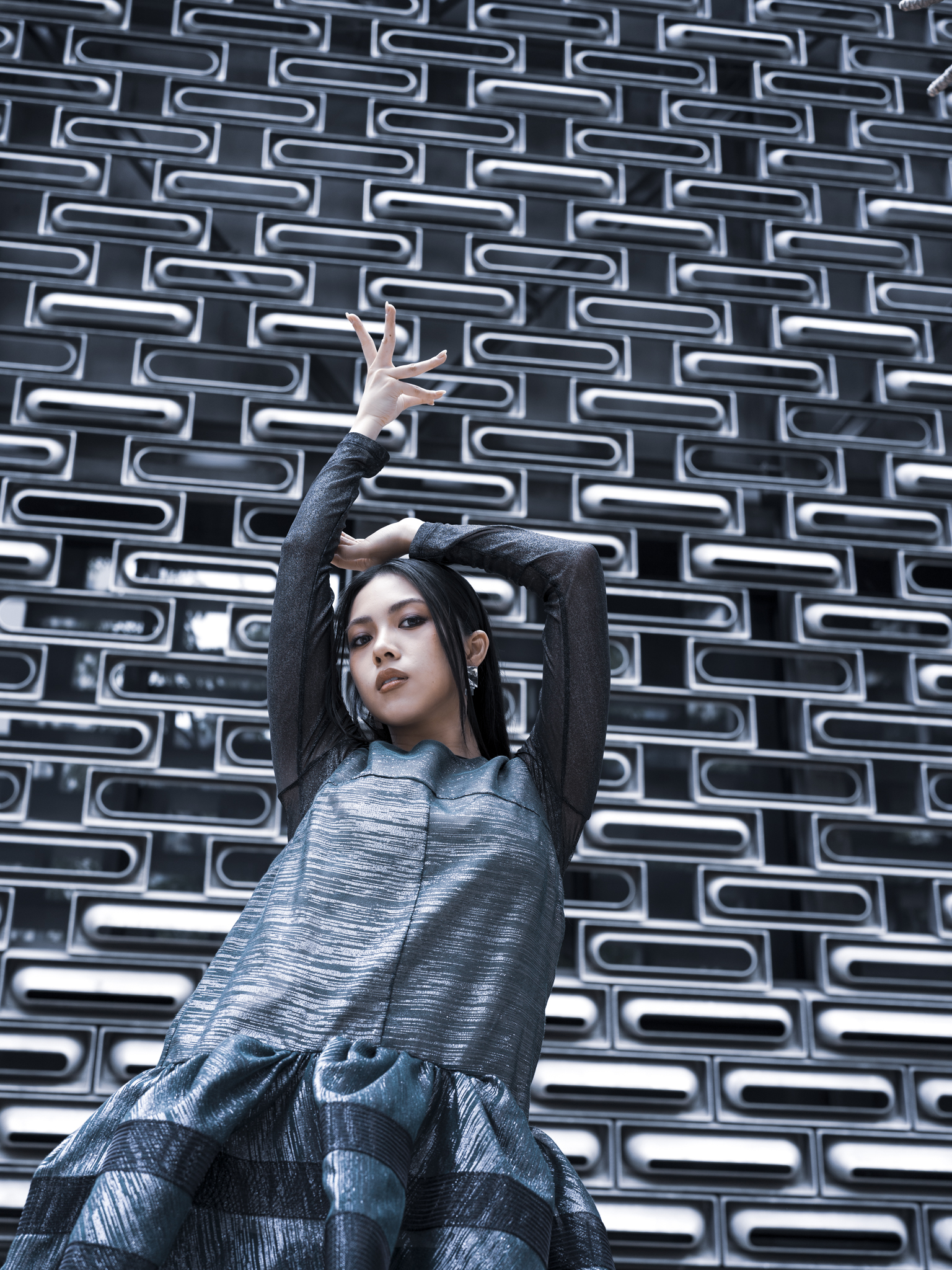
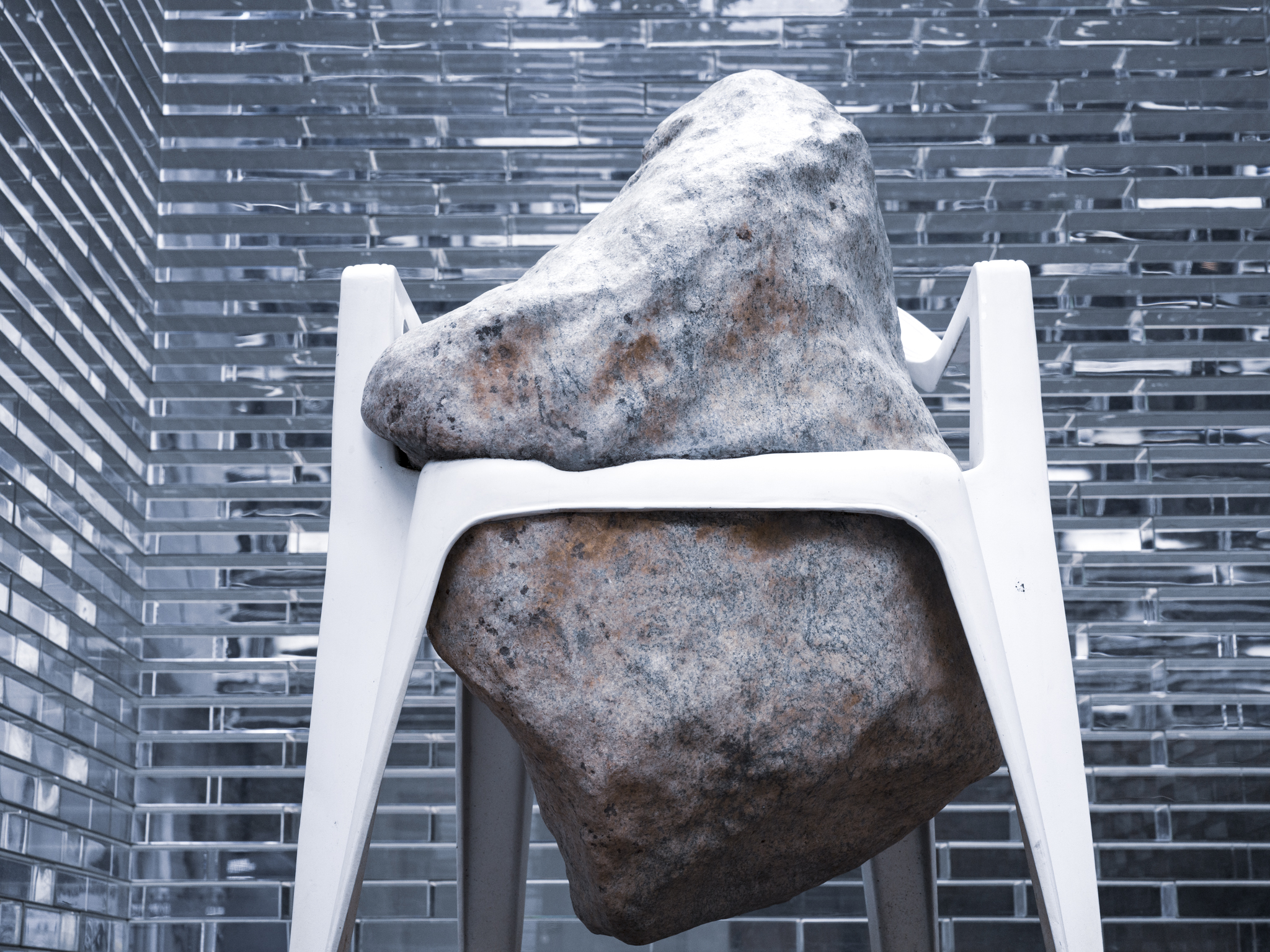
As I photographed Meko there, what stood out was how naturally she responded to the space. She did not try to overpower it. She allowed the environment to shape the way she moved, looked, and held herself. The reflections, partial views, and layered surfaces gave the images a more psychological, interior quality.
Victoria Prison Staircases and Editorial Mood
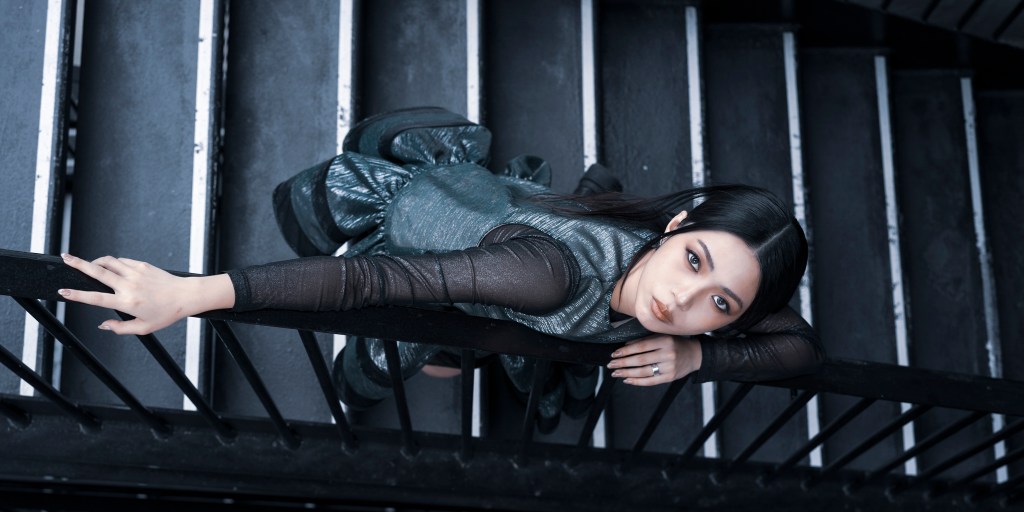
We also photographed in the circulation staircases of the former Victoria Prison blocks. That part of Tai Kwun carried a very different energy. The black railings, tight angles, and stacked levels created a strong sense of control and visibility.
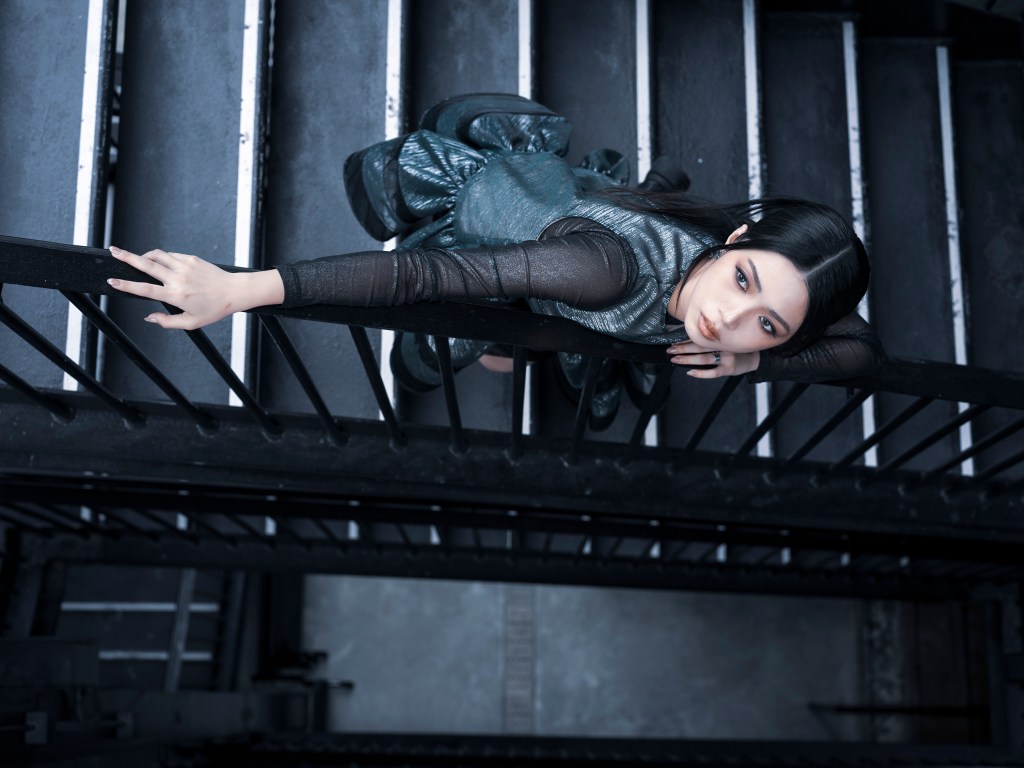
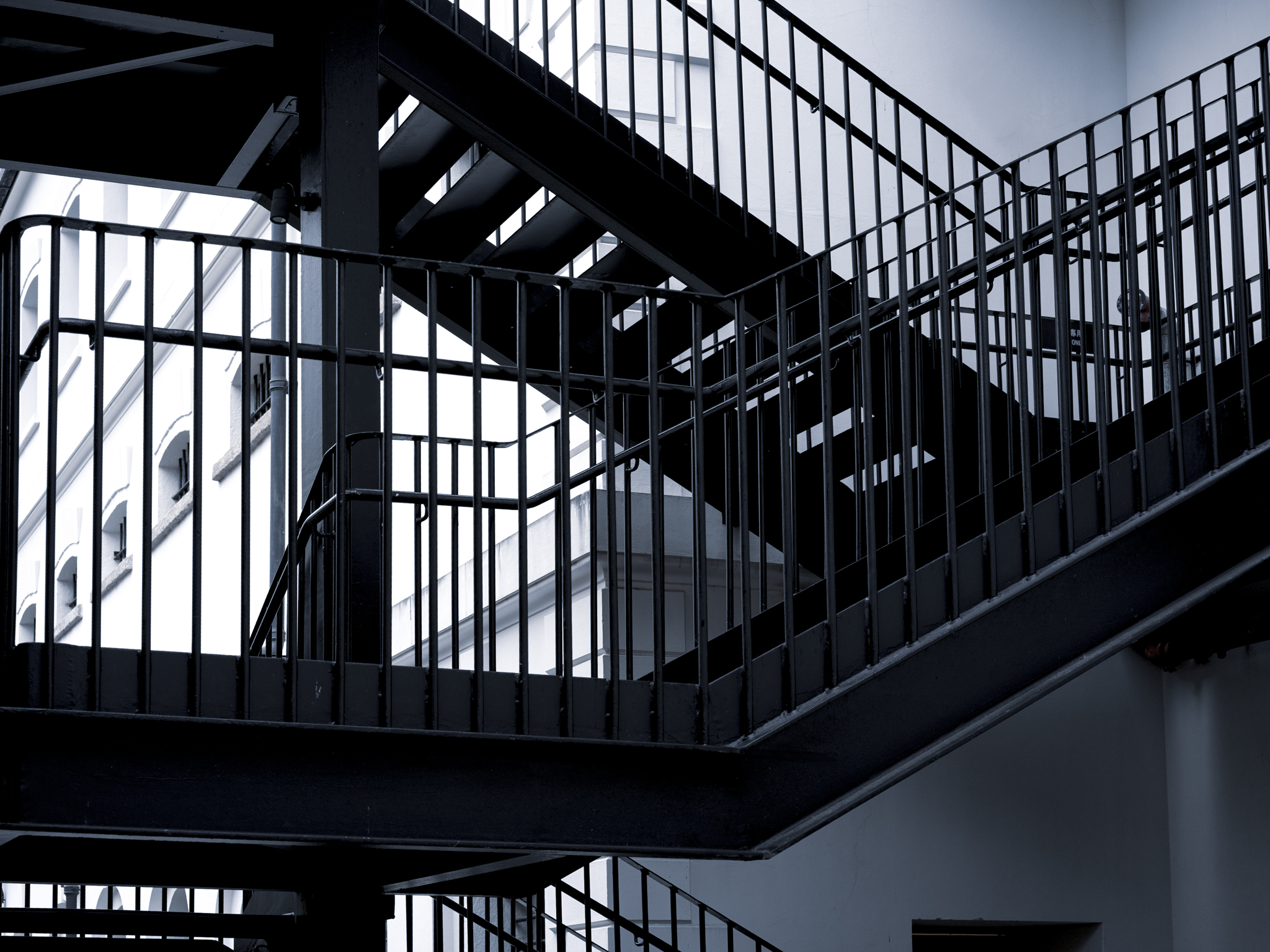
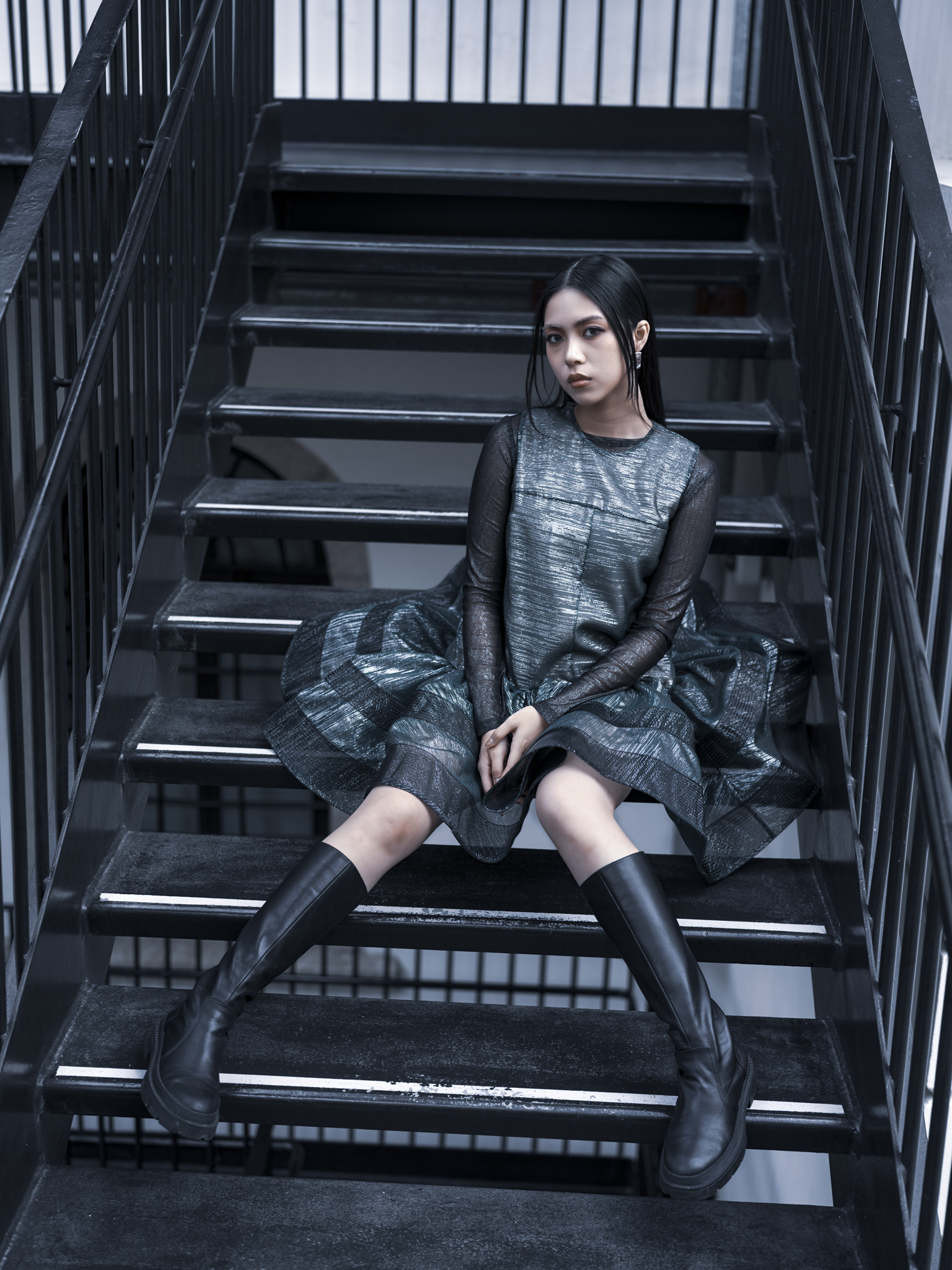
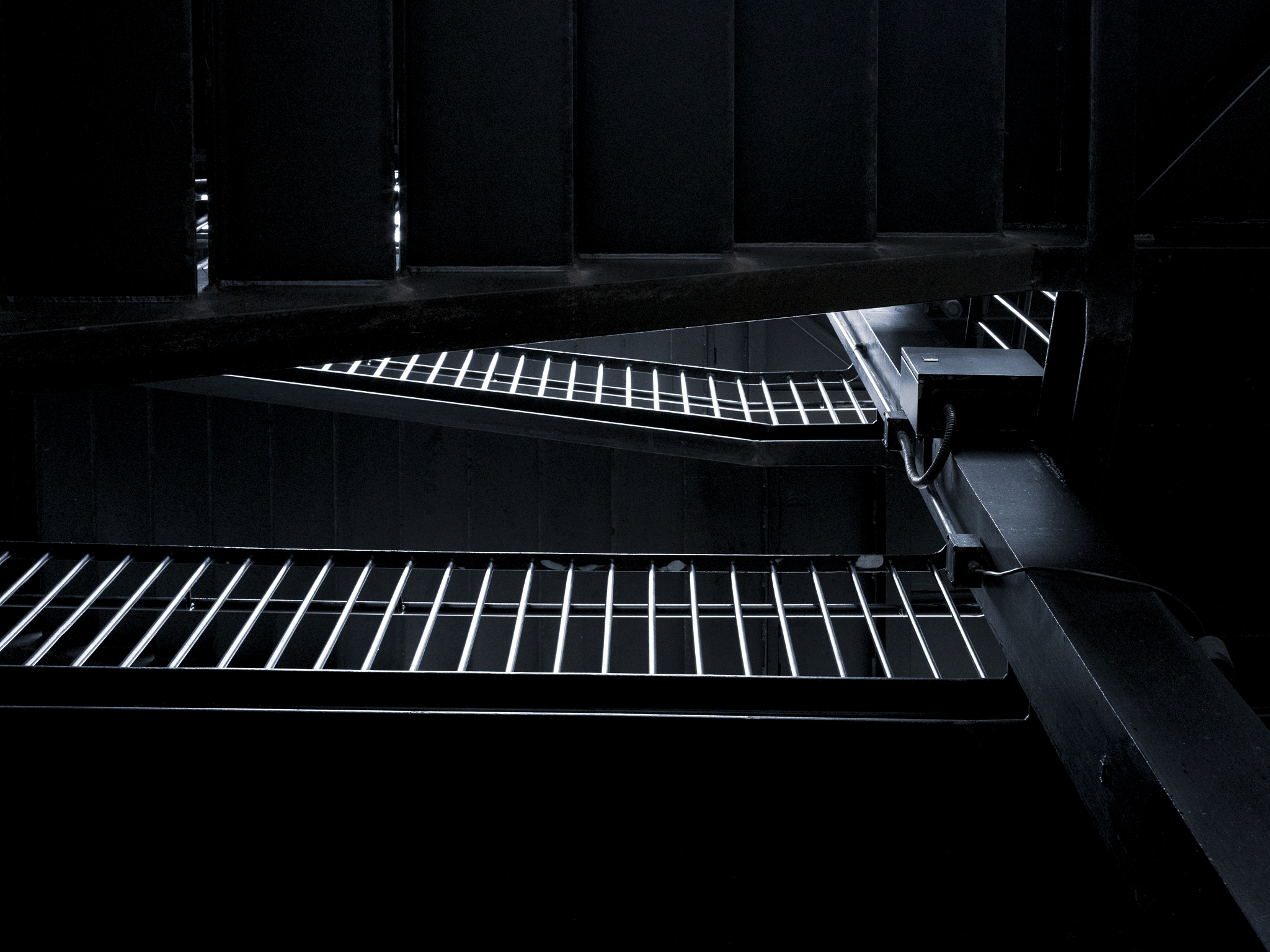
Those staircases shifted the tone of the shoot immediately. Meko became more deliberate in her movement. Her body language felt sharper, more contained, more aware. I appreciated that shift because it did not feel staged. It felt like a direct response to the architecture around her.
Bach Mai Babydoll Dress in Two Different Worlds
We had planned to feature multiple designs, but once Meko put on the Babydoll dress by Bach Mai, that plan disappeared. The dress simply felt right. It fit her beautifully and worked seamlessly with both the hair and makeup.
At Tai Kwun, the dress created contrast. Its softness and movement pushed against the rigid, controlled feeling of the architecture. The shimmer of the fabric caught the light in the glass structures and introduced a sense of life into spaces defined by restraint.
Later, in Central, the same dress shifted again. It no longer felt like contrast. It felt integrated into the city. That is what I appreciated most. It could hold softness and structure at the same time.
Central Hong Kong and Bamboo Scaffolding
After leaving Tai Kwun, we continued into Central and let the city guide us. We photographed in side streets and stair lanes that felt distinctly Hong Kong, especially with the bamboo scaffolding rising around us.
Bamboo scaffolding is one of those details that defines the city visually. It wraps around dense buildings and irregular facades in a way that feels practical, flexible, and deeply connected to Hong Kong. In the images, it introduced a warmer, more raw texture compared to Tai Kwun.
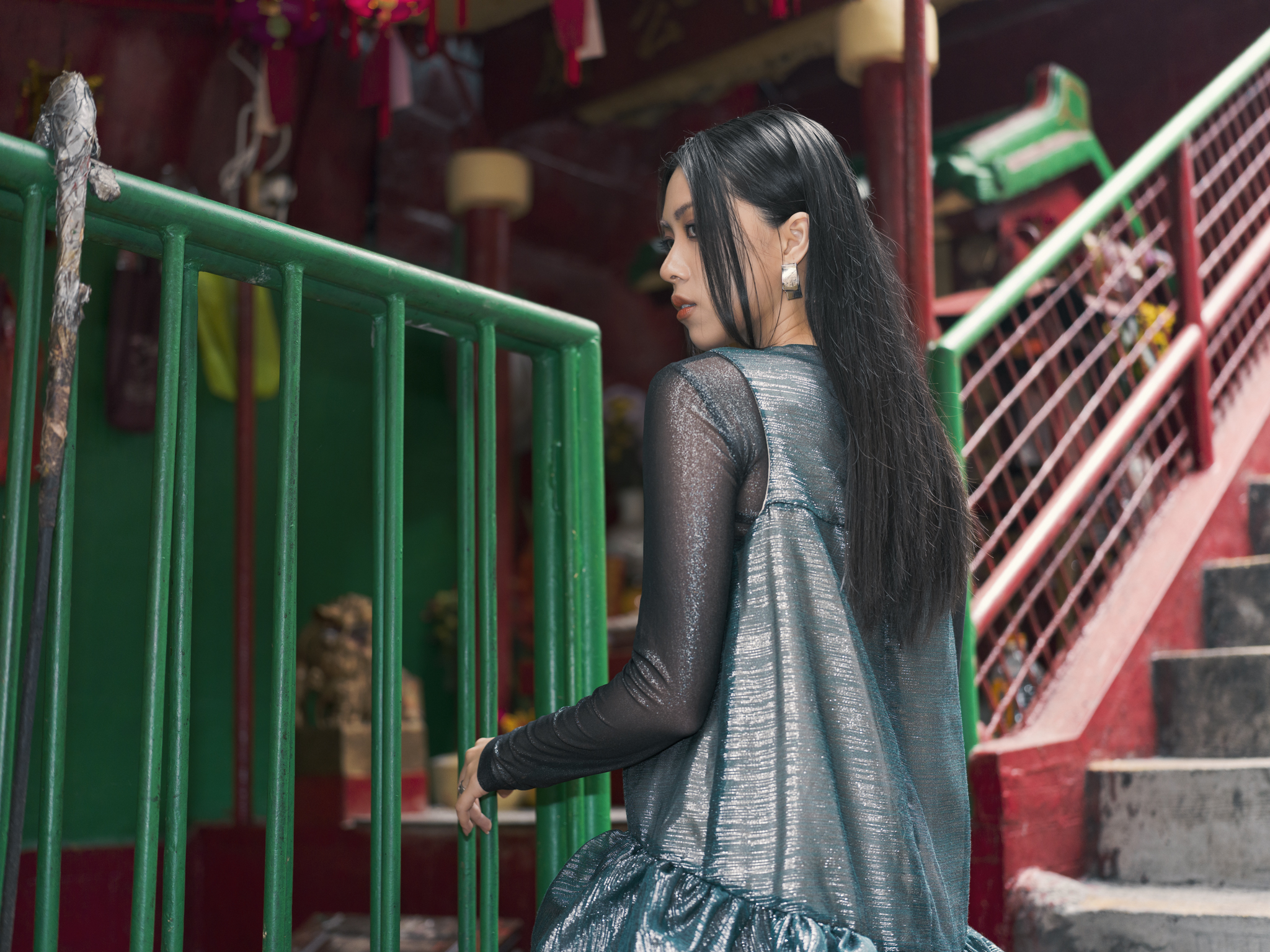
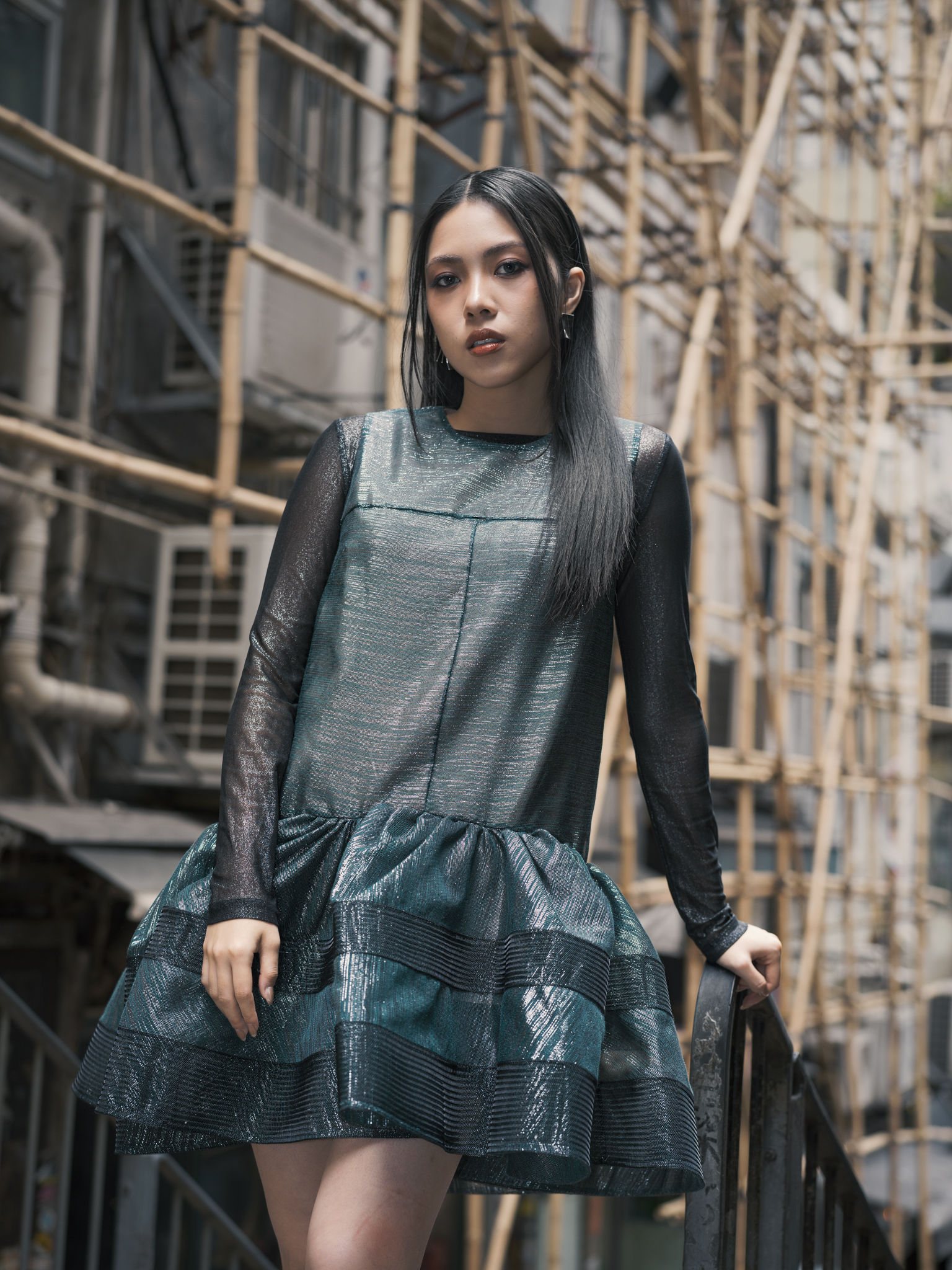
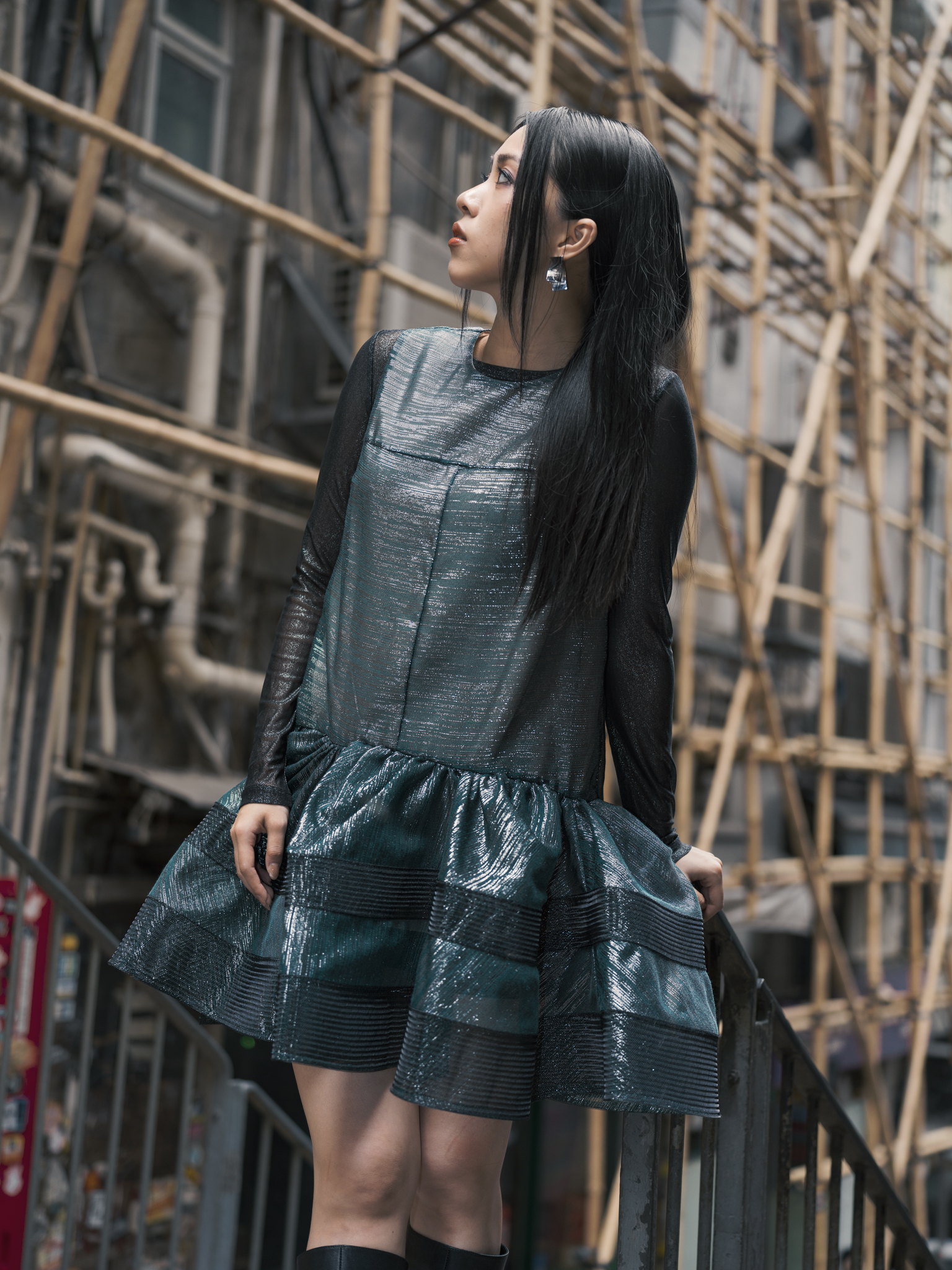
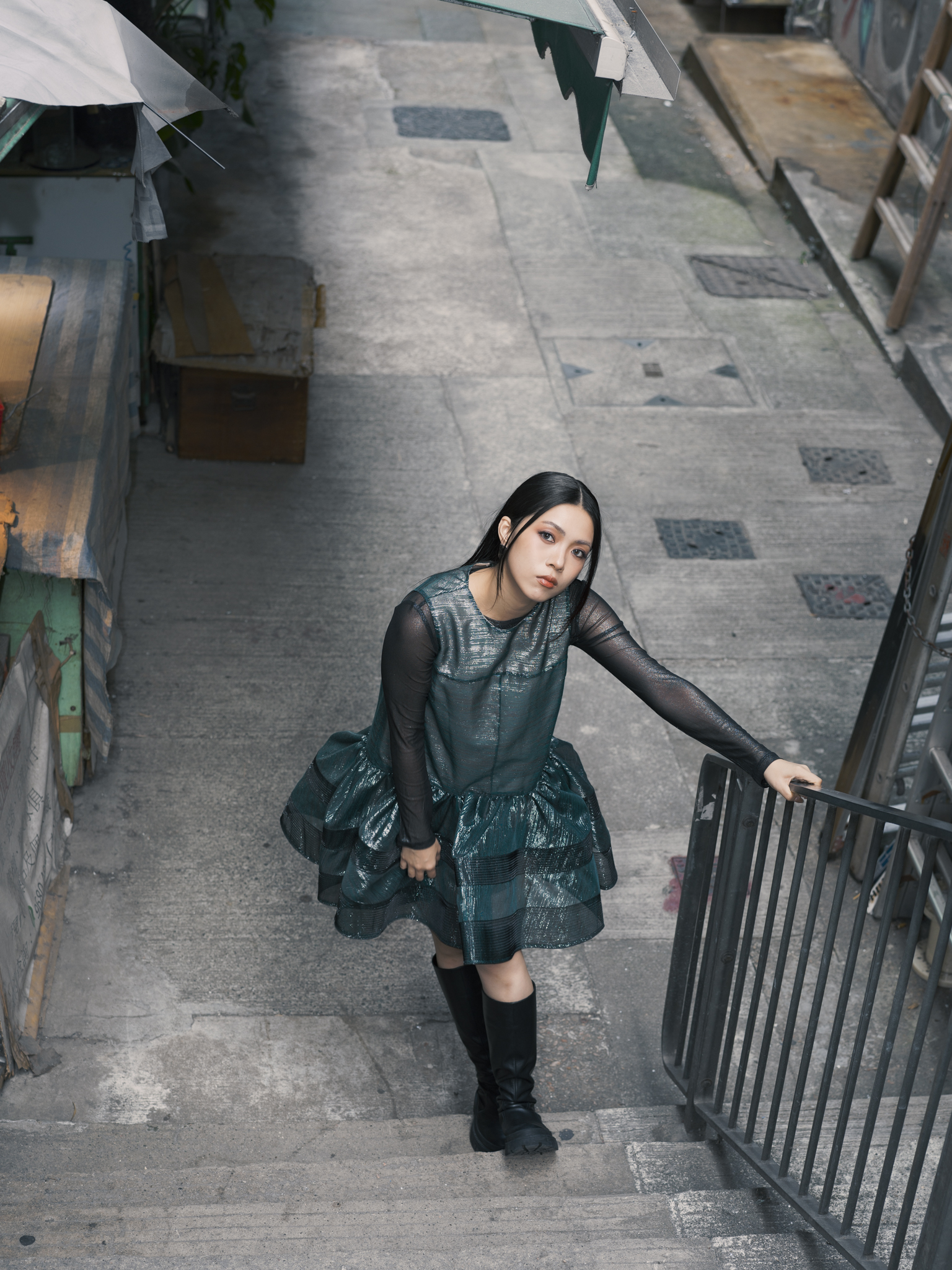
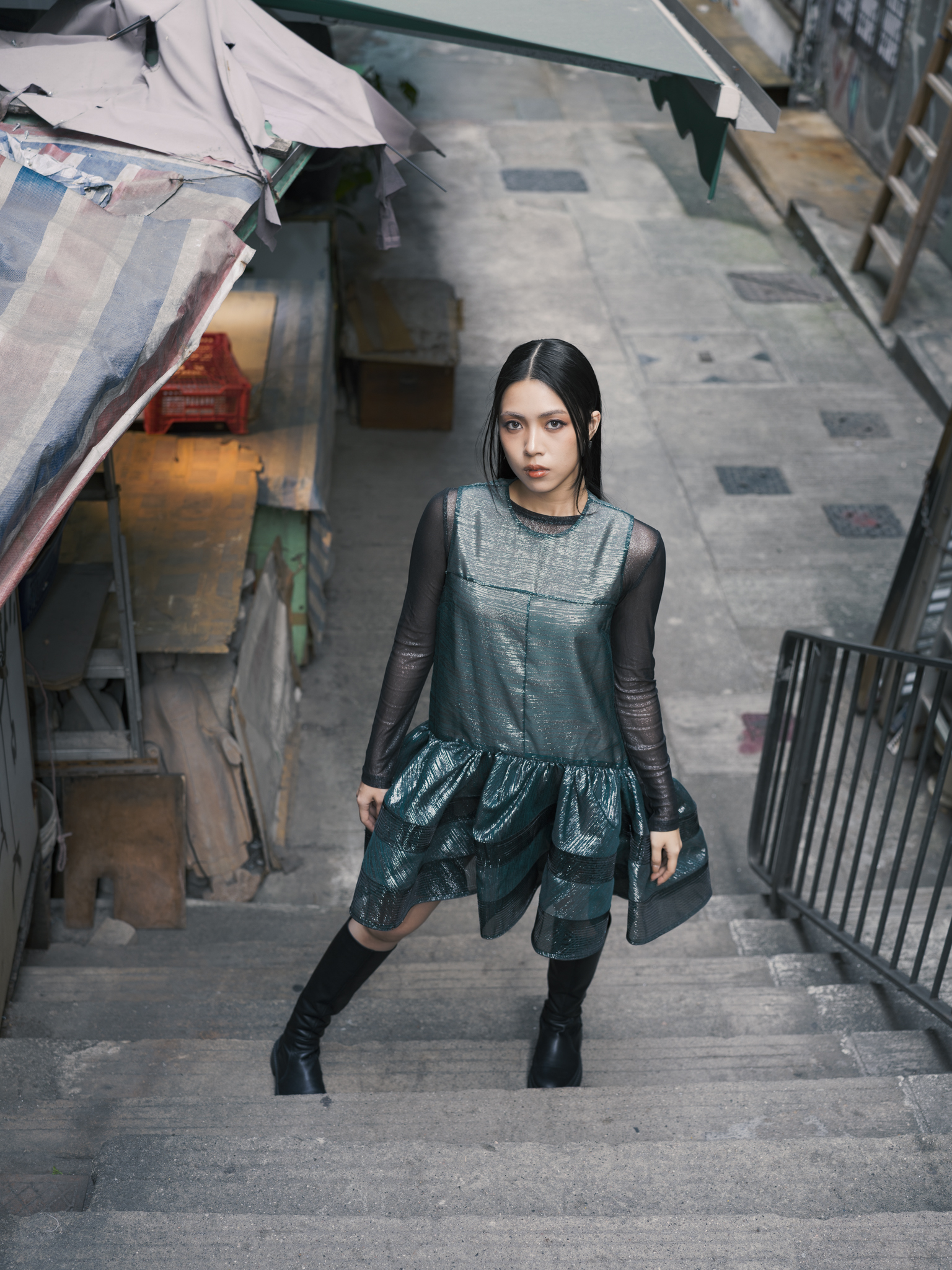
That shift in environment brought a shift in energy. Meko felt more open, more observational, more in dialogue with the city. The dress adapted with her. It still felt elegant, but now also grounded in the street.
Working With Meko Cheung
I was grateful for the opportunity to collaborate with Meko on this project. Looking through the images, what stands out is her quiet control. She never forces anything. She builds each frame from within the space.
In the glass structures, she brought tension and curiosity. In the staircases, strength and precision. In the streets, softness without losing presence. That range gave the shoot its emotional shape.
How Hair and Makeup Shape an Editorial Shoot
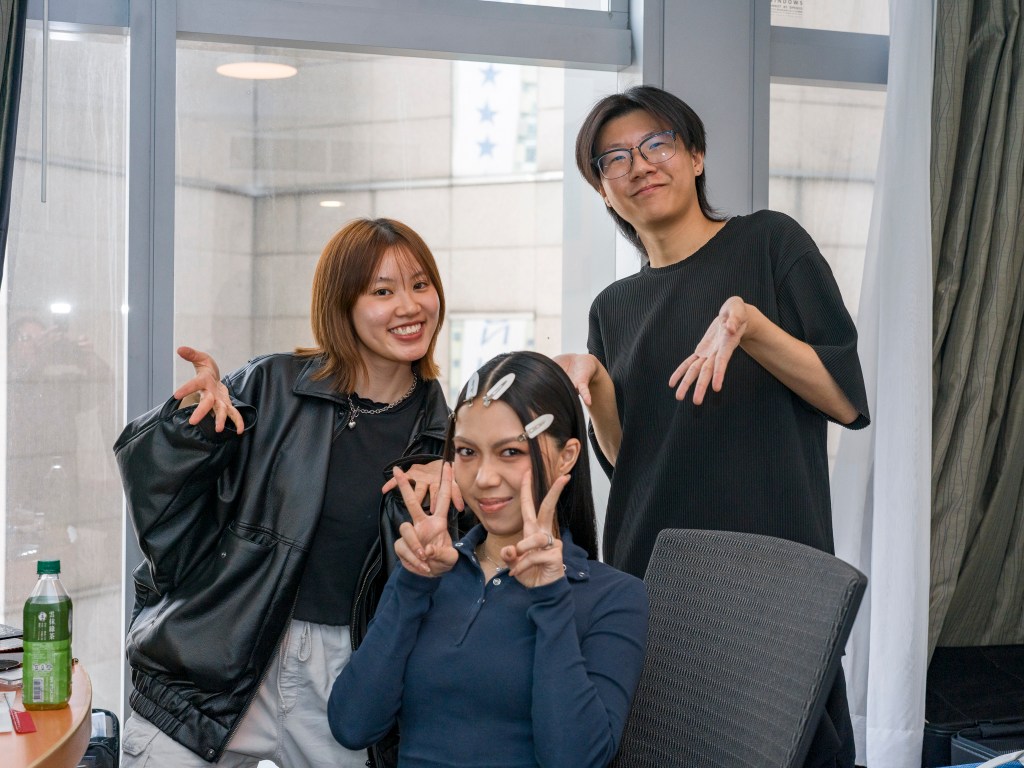
I also want to thank Meko for bringing together such a strong team. SparrowDiXiT on hair and Heidi Vong on makeup helped define the visual identity of the shoot from the beginning.
Hair and makeup do more than complete a look. They establish mood, support the wardrobe, and create continuity across different locations. The sleek hair and refined makeup gave the story cohesion, whether we were surrounded by glass, iron staircases, bamboo scaffolding, or narrow city streets.
Watching SparrowDiXiT and Heidi work on Meko at the same time was one of my favorite moments. It was a reminder that photography begins long before the camera is raised. It starts with collaboration, trust, and a shared vision.
Credits
Model: Meko Cheung
Hair Stylist: SparrowDiXiT
Makeup Artist: Heidi Vong
Dress: Bach Mai
Photography: Paul Tocatlian
For brands, designers, models, and other creatives looking to create inspiring imagery, let’s connect. From fashion editorials to runway coverage to publishing your work, let’s explore how fashion and storytelling intersect, and where your next project might lead.
THE INTERVIEW WITH MEKO
Why did you choose to pursue modeling, and when did that begin?
For me, modeling began as a career opportunity in 2023. I had been going to castings here and there, and then, almost unexpectedly, I was cast in a major Uber taxi ad. That was the moment things started to shift for me. What truly confirmed it, though, was the way I feel when the camera is on me. In everyday life, I am actually quite shy and introverted, but once I am shooting, that all fades away. I become more confident, present, and expressive. It feels like I am able to show a side of myself that does not usually come out.
What do you want your photos to reveal about you?
I want my photos to show my range. I can be soft and subtle, but I can also bring energy and presence when the shoot calls for it.
How do you make a pose feel real?
Static poses can easily look stiff. Very often, the most natural moment happens in between the held poses. That is why I like to use movement to flow into a pose instead of simply holding one. I also try to begin with a feeling, a mood, or a story. Once I connect with that emotion, my body naturally finds a position that feels believable. At that point, the pose becomes an expression of the feeling rather than just a shape.
What feels different between modeling and dancing?
With dancing, the audience is right there in front of me, and I receive immediate feedback through their reactions, their gaze, and their applause. With modeling, there is no instant response like that, so I have to trust myself and believe that what I am giving to the camera is enough.
How has dance changed the way you move for the camera?
Dance has made both my body awareness and camera awareness feel instinctive. It has taught me to understand exactly where my body is in space without needing to look. In modeling, that allows me to adjust an angle, a tilt, or the position of my hands based on feeling alone, instead of constantly needing to check the camera or a mirror.
© Paul Tocatlian. All Rights Reserved.
 Kisau Photography