
Japan challenged me in quiet ways. I arrived with ideas. But the work became more interesting when I allowed the unknown to shape the story. This collaboration with Karen Akiyama began with style. City. Self expression. And the unexpected influence of Butoh.
How Tension Becomes Growth
There is a strange but important intersection between staying true to yourself and stepping into discomfort.
If you stay only inside what feels safe and familiar, you may protect your identity, but you risk becoming static. If you chase discomfort without staying grounded in who you are, you can lose yourself trying to become someone else.
Growth seems to happen somewhere in the middle.
It happens when you carry your own voice, instincts, and perspective into places that challenge you. New cities. New people. New cultures. New ways of seeing. The discomfort becomes less about pretending to be someone different and more about allowing yourself to expand.


A lot of the photography I created during my time in Japan lived in that space.
There were language barriers, unfamiliar rhythms, moments of uncertainty, and situations where I had to trust instinct more than comfort. At the same time, I was trying to stay deeply connected to the kind of work that feels honest to me. Human stories. Fashion as self expression. Quiet moments. Presence. Atmosphere. Emotion.
Japan pushed me creatively because it asked me to observe differently. To slow down. To listen more carefully. To embrace subtlety. Some of the strongest images came from moments that initially felt uncomfortable or unfamiliar.
Looking back, I think that tension is part of what gave the work life.
The goal is not to become someone else. The goal is to keep becoming more fully yourself through the experiences that challenge you.
Butoh Inspired Presence
My collaboration with Karen began with style, city, and story.
Style can be understood in many ways. It can be clothing, but it can also be emotion, movement, form, artistic expression, and ultimately, the way someone inhabits a space.
As with many of these shoots, I did not know exactly what to expect. Or perhaps, more accurately, I expected the unexpected.


With Karen, that unexpected element came from her background in Butoh. She is studying this expressive form of Japanese dance, and through that connection, she had met Temmetsu, the Butoh performer I had the opportunity to photograph in Kyoto during an earlier trip to Japan while attending a photography workshop with Ted Forbes.
This photoshoot was not intended to be a Butoh performance. Still, Karen’s relationship with movement clearly influenced the direction of the session. The images became less about staged poses and more about presence, expression, gesture, and the emotional shape of the body in motion.


That is what made the setting feel more alive. Her style was not only in what she wore, but also in how she moved through the city, how she held energy in her body, and how she allowed emotion and form to become part of the story.
What the Unknown Reveals
Karen brought her own style into the story through expression and presence. The city shaped the atmosphere, but the unknown gave the shoot its direction. It became a reminder that when you stay open to what you cannot predict, the work can grow into something more honest, more instinctive, and more alive.


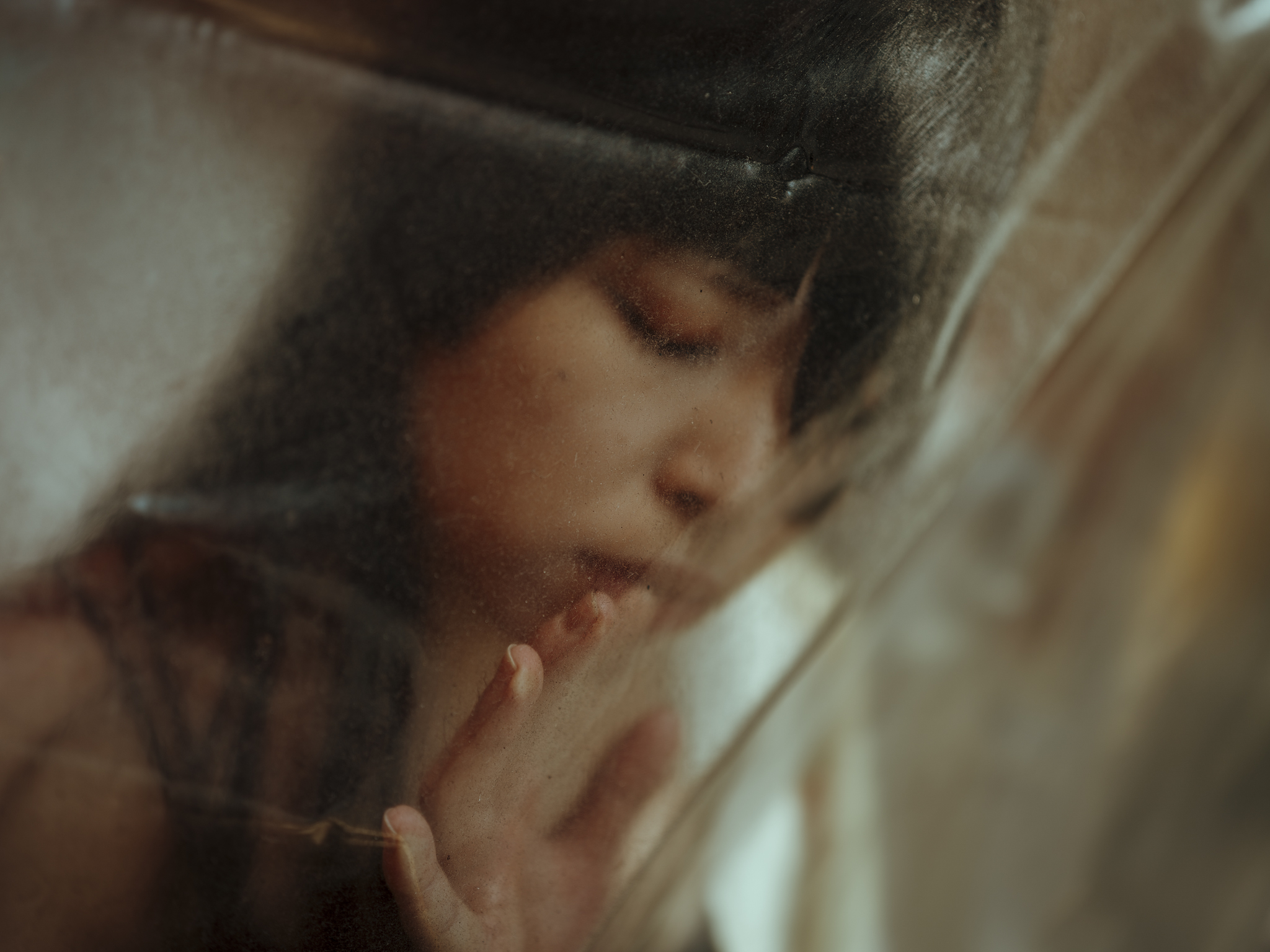


What part of your creative process are you willing to leave open to the unknown?
Never Miss a Story: Keep our stories front and center when you search. Add Kisau Photography as a preferred source on Google.
Photoshoot Credits
Model & Performing Artist: Karen Akiyama
Photography: Paul Tocatlian
Bring Your Vision to Life
Whether you have a polished moodboard or just a spark of an idea, let’s translate that concept into high-impact imagery. We collaborate with brands, designers, and creatives to execute these ideas across fashion editorials, campaigns, and events.

Shot with Hasselblad
Hasselblad helps change the pace of a photoshoot in a way I enjoy. Instead of chasing every moment, it inspires me to pay closer attention to expression, color, fabric, and light. Its 100MP medium-format sensor rewards that extra care, giving me photographs that feel rich, dimensional, and true to the atmosphere we created.
Get the Latest Articles
Receive an email whenever a new article is published. No weekly newsletter or extra messages, just new work when it goes live.
Unsubscribe anytime.